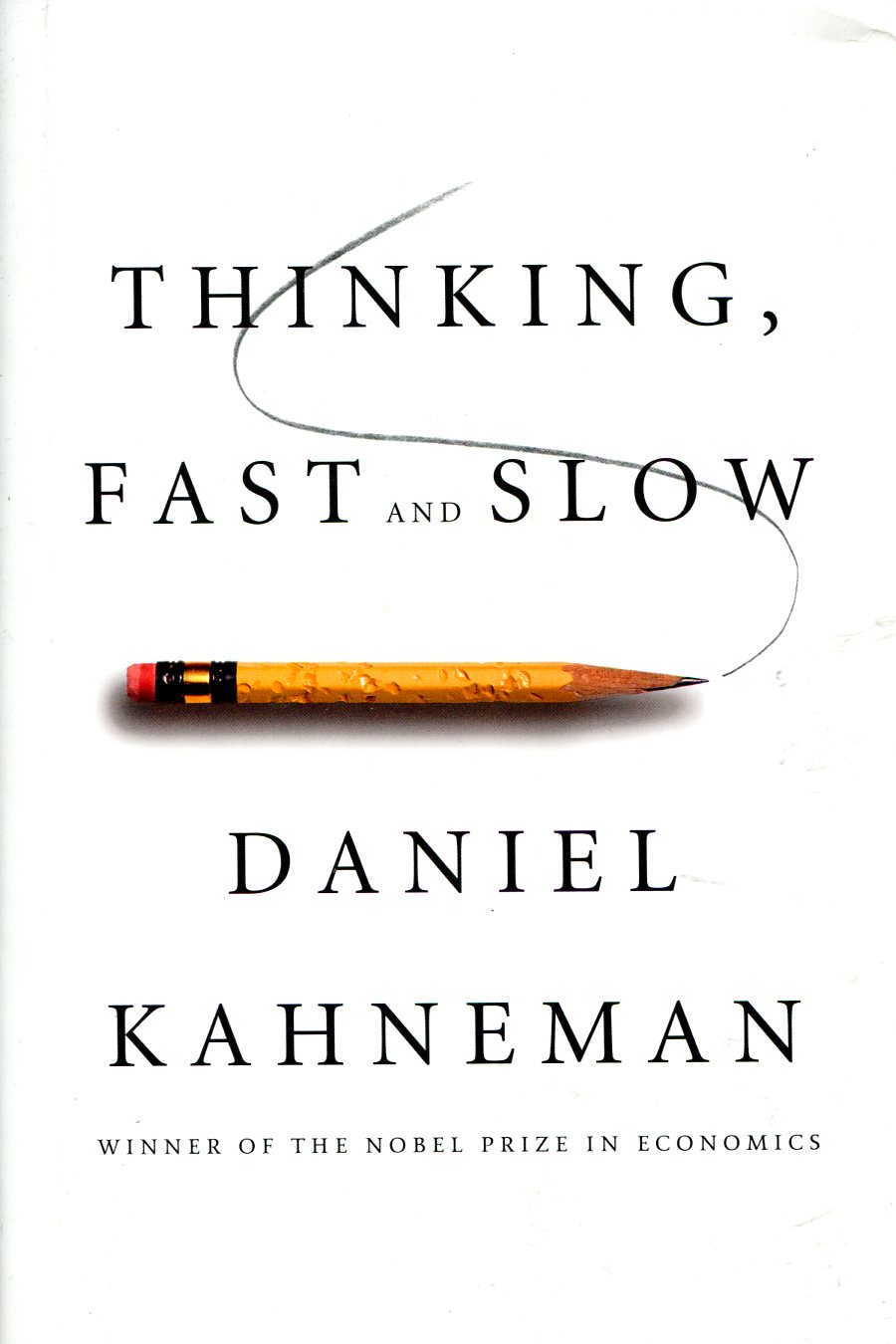
Planning fallacy
|
This post I will dedicate to the meeting where we discuss what we were going to focus on for the rest of the project. I will go through Daniel Kahneman concept of Planning Fallacy. Because of the knowledge of the Planning Fallacy we end up of not implementing anything new to the game even though we come far with the game we have. Instead we want to focus on the communicating and refining the component we have in our game right now. In the discussion, we were thinking and almost did implement another enemy. We counted the weeks we had left and went through the things we wanted to implement. We were just managing to implement what we had left with the weeks we had. This included a second enemy. Now we had to decide if we should implement the new enemy or not. If you read Clinton Keith book Agile game development with scrum he says you should multiply the time you think it will take by two. If you are new to scrum, you probably should multiply by three. With this outside view on our project we should defiantly not add anything to the game. Even though we thought that we really could implement a new enemy. Why is it that? Why do we think we can do much more then what the outside perspective says we can (In this case the scrum book)? Daniel Kahneman have coin the concept Planning Fallacy.
For explaining the Planning fallacy, you first need to know about WYSIATI (Yes, that is the name). The WYSIATI is a concept of how we form decisions in the moment. When you making a decision, your brain do a search in your brain for the accessions that you remember from before that match the decision you want to make in the moment. For example, if you think of choosing a pizza while looking at an ordering board. You probably going to remember how a juicy taste of you last pizza. When you compare with the price you probably will look at the other prices on the pizzaboard, maybe you see a 50kr under the pizza you want order and the pizza you thinking about cost 70kr. When you make the decision if you going to buy the pizza or not, you think the price is 40% expansive because of the price under your pizza and you really want a pizza, because you remember the taste. That is the two factors you base your decisions on, even though they not at all make sense to only use those variables. You could think about what you budget is for this month and how 70kr match how much you can spend on food this day. Note that you make this decision all the time. Daniel Kahneman names the two perspective the inside view and the outside view. The inside view is when you look at the
In our case when we planned if we going to implement the next enemy. We were positive that we could implement it. Because we only see what we just implement to our game. The outside view here is Clinton Keith Book, that states that you properly need a lot more time then you think, even triple the amount. That perspective is the outside perspective. Because of WYSIATI you are drawn to make decision on your inside perspective. Even though the outside perspective is properly much more reliable source. I am glad that we knew this and made the decisions that did.
Ps. I want to make a note that there is more than just the WYIATI effect happening when you decide.
 |