Keep calm and stay boaty
|
It has been a boaty ride. From concept design to prototyping and developing an actual game. There’s been a lot of bumps (or waves I guess) along the road (or sea I guess), but none that we weren’t able to overcome. A strong team with a common goal is unstoppable. Thanks to everyone who believed in boaty. Making it happen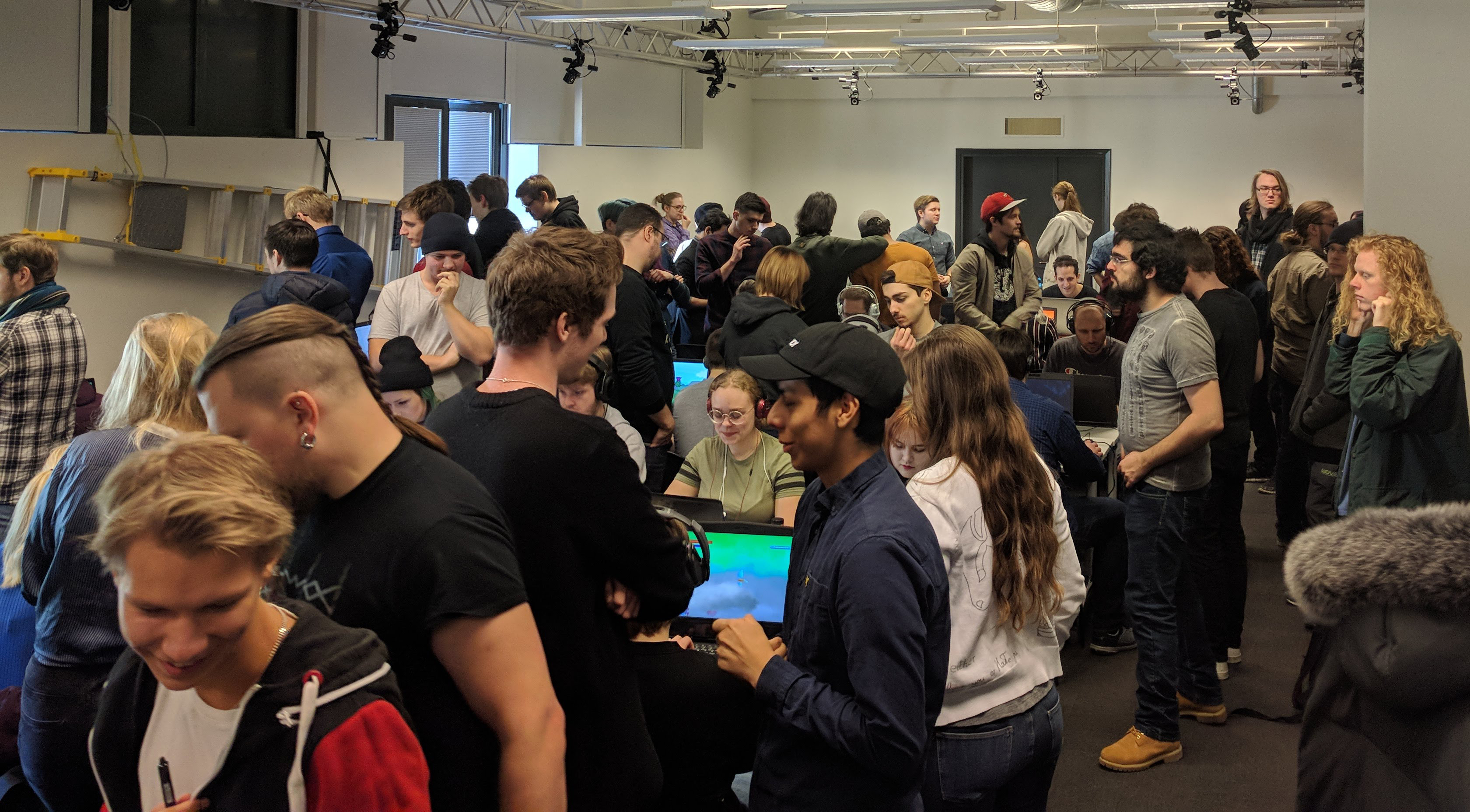 Where it startedThe Umibozu concept is very interesting because of its simple design and intriguing aesthetics. It also allowed for some creativity in changing the main theme of the game. The gameplay stood out a bit from the stereotypical shoot ’em up game. In addition to all this, the design document seemed like one of the more polished ones. When the starting gun sounded, we immediately went to work figuring out how we could make the game different. We wanted to add our own flair to make it unique. It should stand out from the other games based on the same concept. That’s when we decided to shift towards a steampunk theme, change the art style and come up with our own solution for exploring in the game. Boaty – what does it mean?Boaty is the answer to everything. Early in development, we defined what boaty meant and tried to stay as close to that vision as possible. We made the term up as a joke, but it quickly became the go-to word for referring to the aesthetics of the game. Staying true to the conceptIt’s difficult to come up with an original idea while staying true to the concept. The decisions we made were mostly aligned with the aesthetics of the game, making it feel atmospheric and mysterious. Defining a vision early on and sticking to it helped a lot. It’s easier to coordinate when every team member has the same vision, so taking that extra time to actually get it right is owrth the trouble. For us, that meant sitting down and carefully refining each and every one of our ideas, until we shaped something that was more concrete than just our imaginations. Staying within limitationsOverscoping is easy to fall into. Our inexperience with planning was very obvious during early development. Having such short iterations in our Scrum planning helped us improve however. We made an evaluation near the end of every sprint and adjusted accordingly for the next. Making a slow paced game interestingThe Umibozu concept explained the game as having a slow, yet challenging, type of gameplay. Balancing the game in such a way is indeed a challenge. The slow nature of the game meant that we needed something else to keep the player interested, because there’s no “bullet hell” to keep them occupied. Instead, we opted for a more atmospheric type of gameplay, and gave the player a goal and a sense of progression. When new things are happening, it gives the sensation that you’re getting somewhere and that the game is leading up to something, keeping the player interested. Having consistent qualityThis was harder to do as time went on because of deadlines, which led to sloppy quality assurance. The Q&A were sort of pushed away the closer we got to the end of the development. With the deadline just ahead, the focus was mostly on fixing or adding missing assets/code, with very little testing. This of course resulted in varied quality on everything we produced, and is noticeable in the game. Things like art assets not matching and sloppy code. This is the result of overscoping; pushing for more content instead of quality content. More playtestingInternal testing during development, while important to find bugs, does not help to get an accurate representation of the actual gameplay. You become the master of your own game, making everything seemingly too easy. This is an easy trap to fall into, which was pretty apparent on our game. During the external playtesting sessions, we found out that the game was way to difficult, resulting in lots of rebalancing work. Most of the players never even got to experience our incredible boss battle before they sunk their boat. Fail fasterGoing into a project with failure as a goal seems counter-productive, but really is the way to go. It’s all about “learning from your mistakes” and what not. Be open-minded and never stick yourself to an idea. Where it ended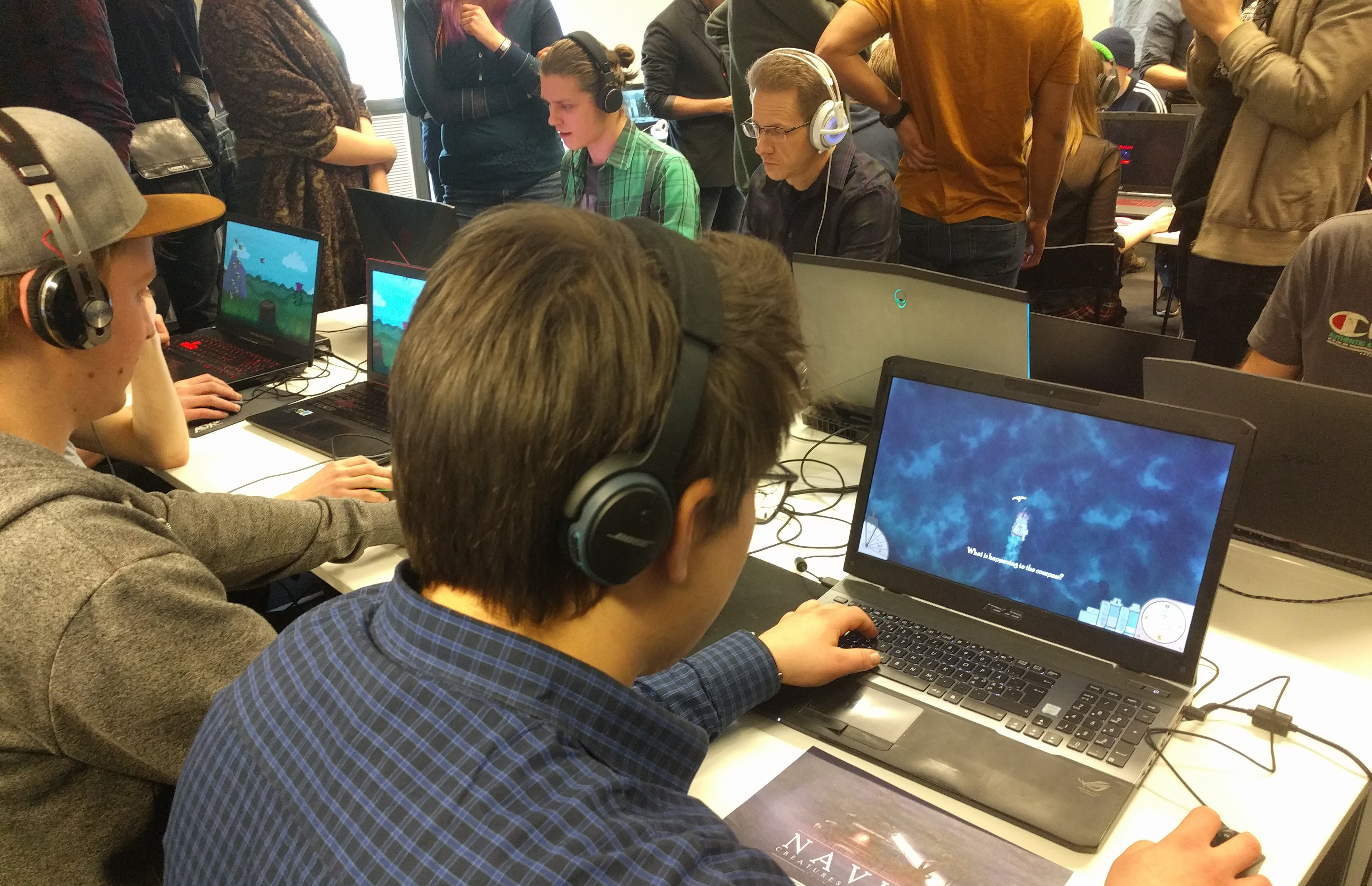 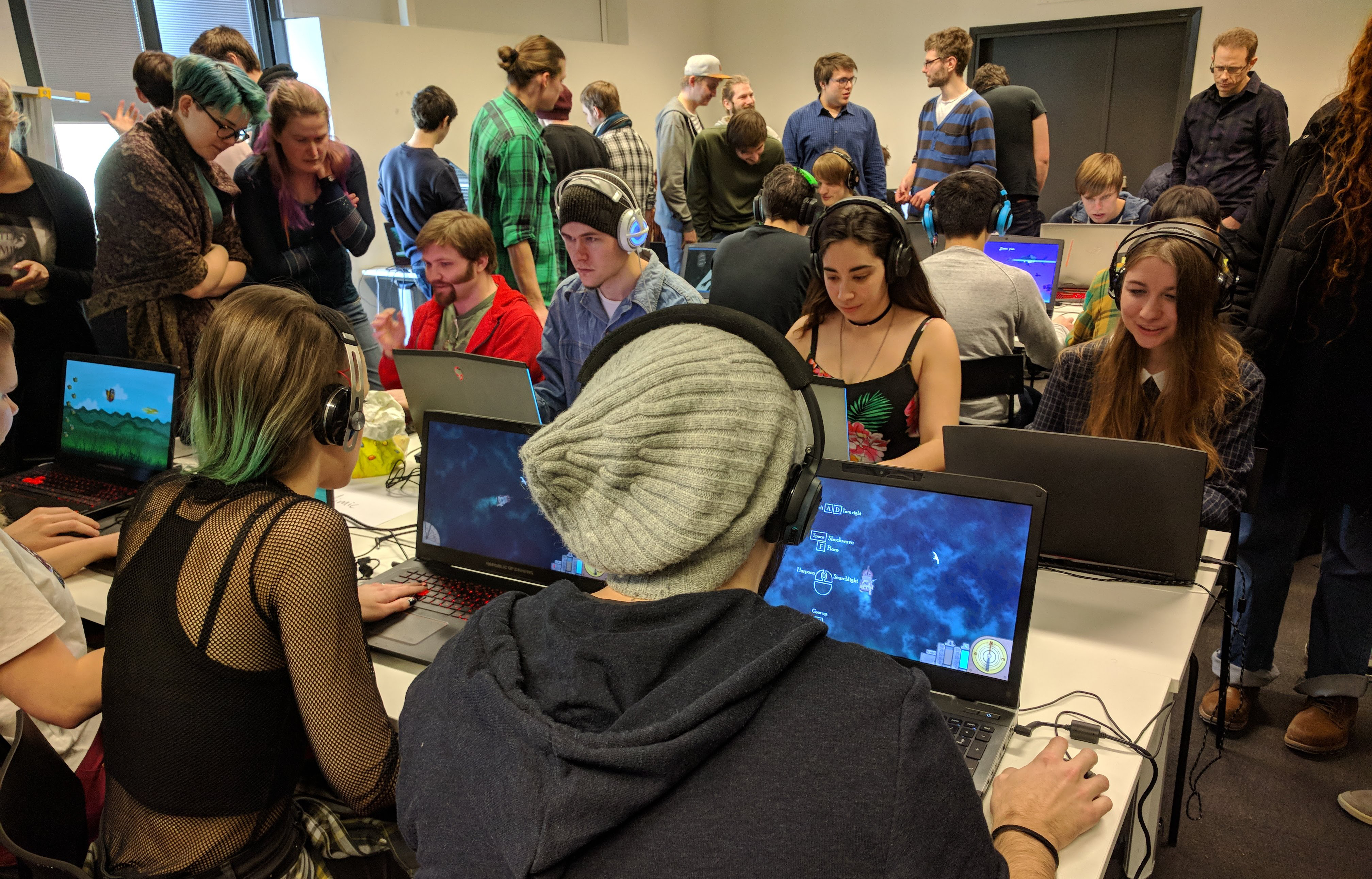 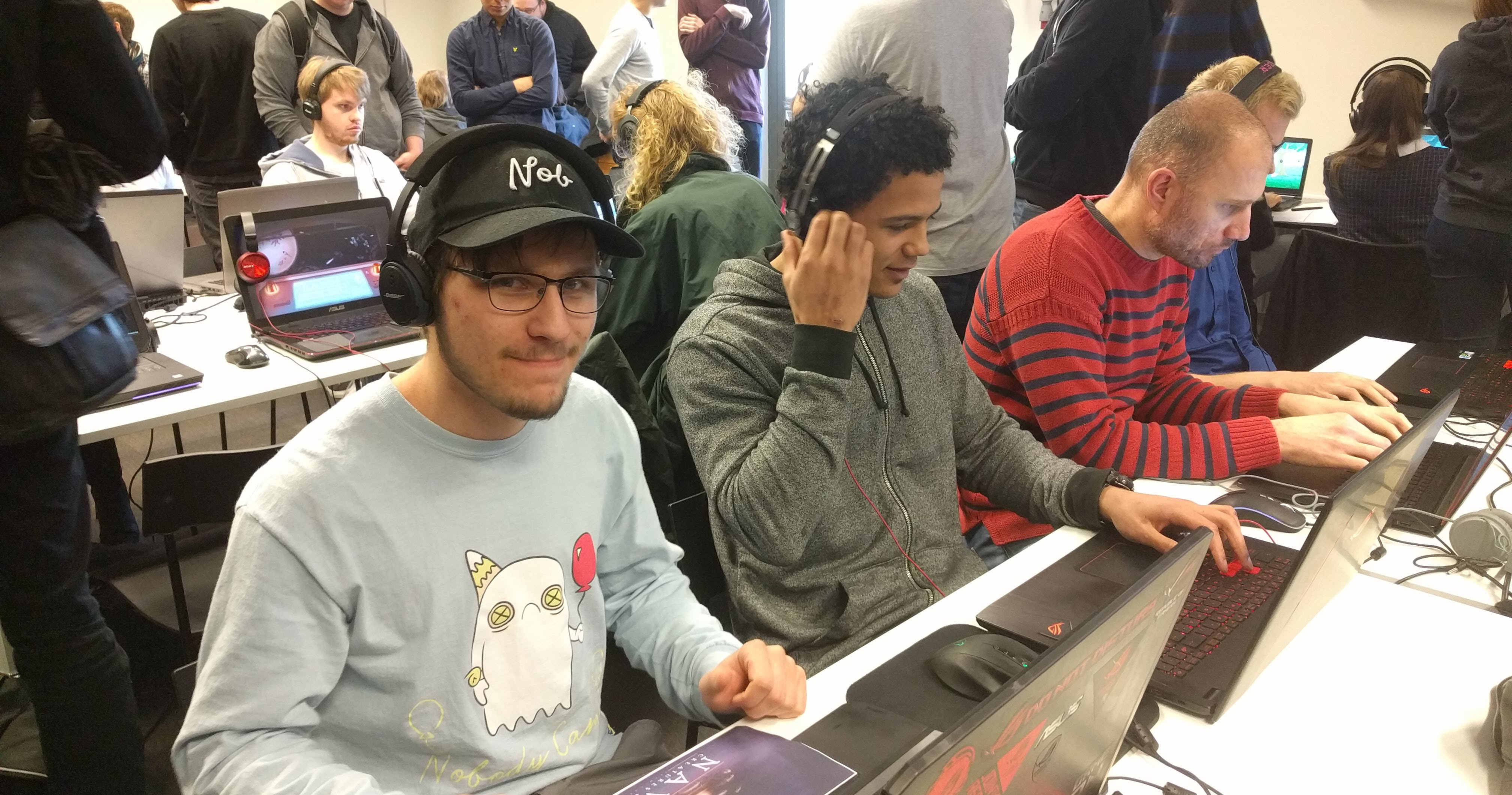 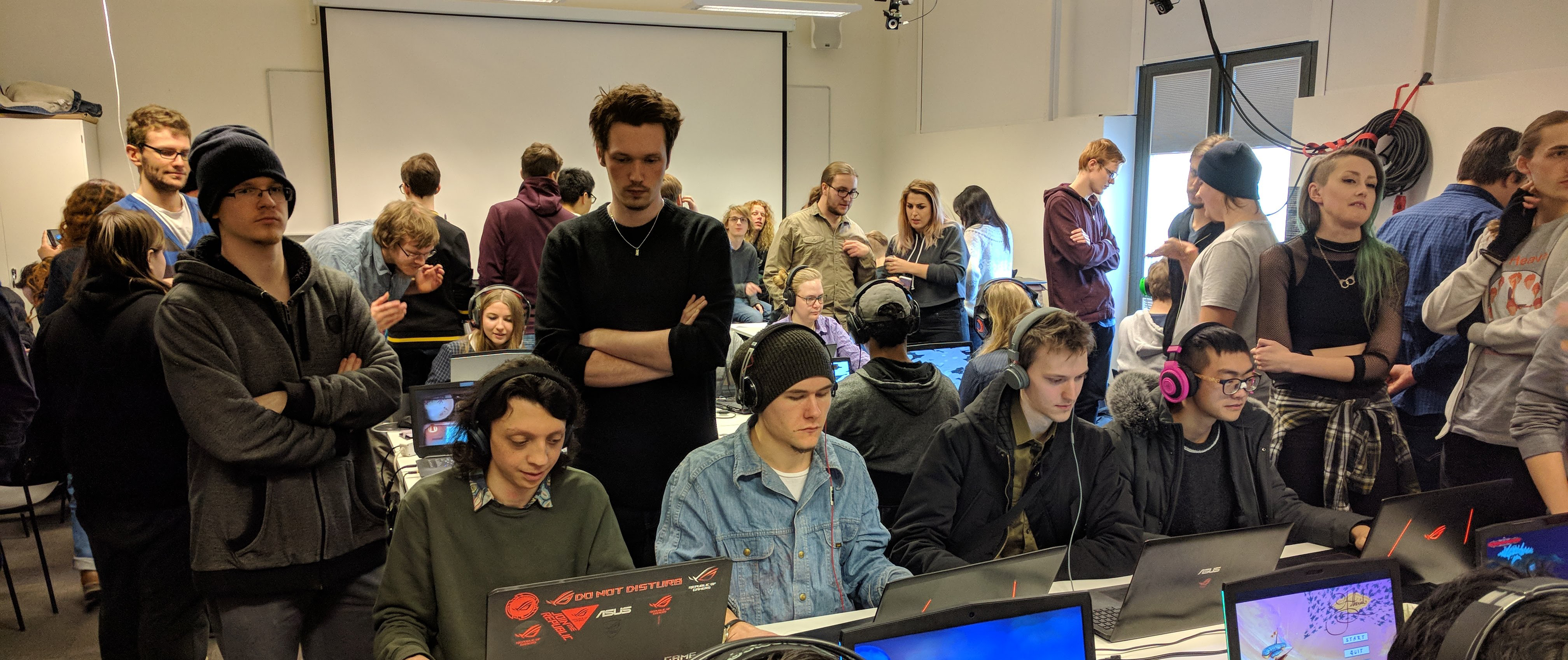 Developing another team’s concept has been very educational. It differs a lot from making your own game because you have more restrictions to adhere to. I have, like many others, gained a lot of experience during this project. A lot of it will be useful in the next project and the ones after that. Even though, when looking back at it, there are lots of things that could have been done differently, I’m still very satisfied with the game. I hope it can serve as a good source of inspiration for the next year’s students at the very least. The end productThe game ended up being a hit. It is feature complete with everything we planned for it. In Navisy: Creatures of the Deep, you are a fisherman on a journey to the sea. There is an old tale about a mysterious sea creature who dwells deep in the water. As the fisherman travels the sea with his boat, strange things appears below the surface. The fisherman uses his tools at his disposal to cope with the threats. A searchlight is used to illuminate the water and reveal hidden objects, making it possible to determine if they’re dangerous monsters or valuable items. A harpoon is used to deal with any threats approaching the boat. When the player first starts the game, they’re presented with a mysterious intruduction and visuals that sets the mood of the game. The slow pace of the game also emphasizes the mystery aesthetics, as the player has more time to pay attention to the surrounding. The difficulty scales up with time, as the player finds artifacts that eventually reveals the boss. The biggest drive of the game is the anticipation of what will happen in the end. The game itself is pretty short if the player knows what they’re doing. The biggest issue we had to tackle was exactly that; making the player understand what they’re doing. A lot of testing went into making sure the player got enough hints to lead them forward while not ruin the adventurous feeling of the game. Visual cues and voice acting are the most important factors here. When the game is finished, it seamlessly returns to the beginning, and you are now the fisherman who tells the tale of the mysterious sea creature. That’s all. No more boaty puns. #neverforgetboaty  |