First week – Research
|
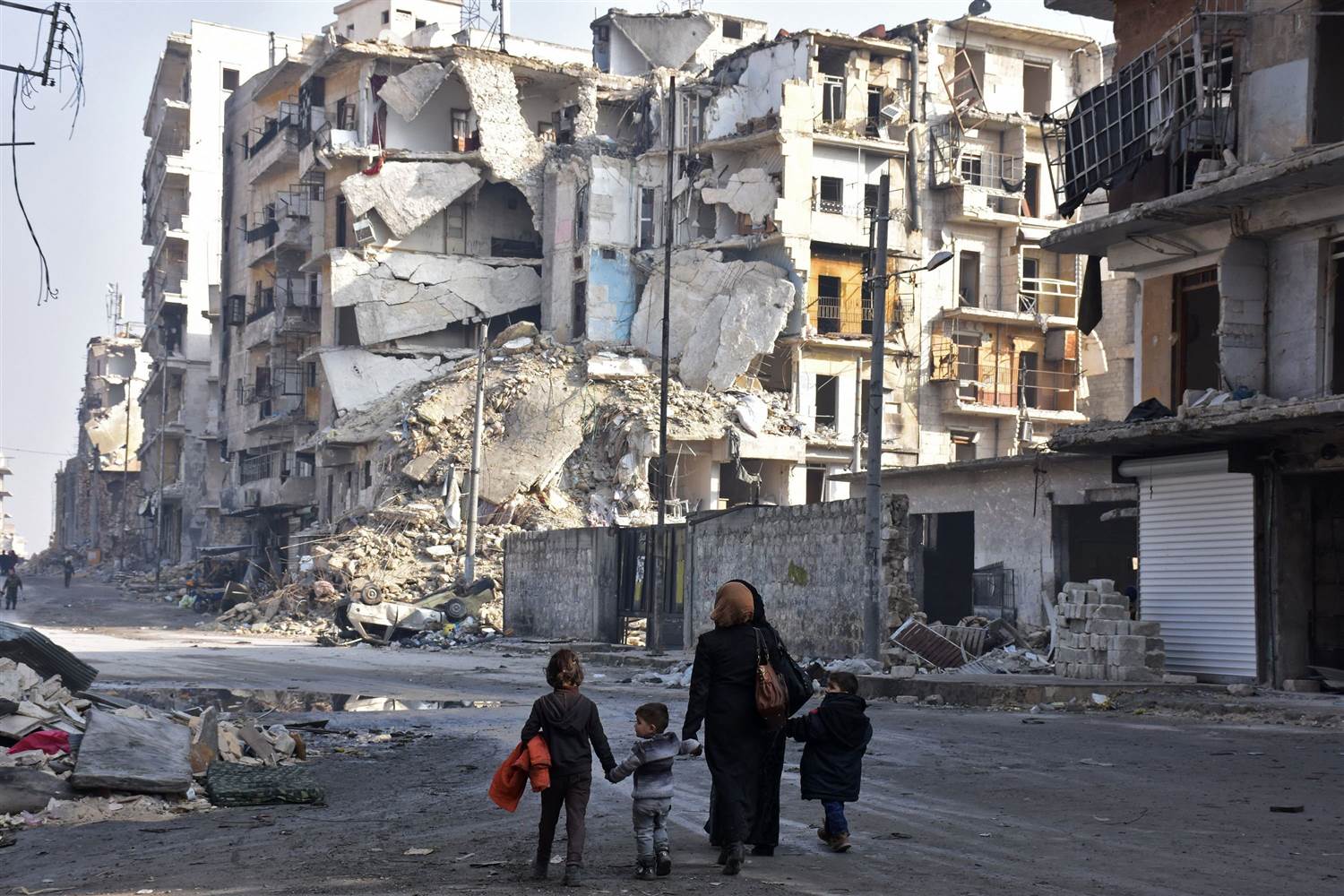
Since our theme is quite a sensitive topic, it’s important to do plenty of research beforehand. None of us in the team had ever been in any type of war zone or anything like that in our lives, which makes it quite hard for us to put ourselves in those people’s shoes, let alone trying to do the same with our players. Though we decided that the game would not actually take place in Syria, the situation is still heavily inspired by it. I read back on the history of the Syrian conflict to find out as much about it as I could. How did it start? How was the country before? What does the situation look like now? It’s all way to much to cover properly in this single blogpost, but if one thing was clear it was that it’s a complicated conflict with many factors (the regime, rebels, extremists, outside countrires etc.) and that the people of Syria are caught in the middle. Then, to get a closer perspective, I turned to interviews of people who had either fled the country or still lived there. ”SVT Nyheter” (a Swedish news site) actually had an entire archive with 200 interviews, which was of great help to me during this process. People had been seperated from their families, lost their homes and seen things that I hope I never get to see in my lifetime. But it still did not feel quite enough. I needed to know more about this on an almost personal level. So I emailed the integration office here in Visby and told them about our game project and asked if they knew any Syrian refugee who would be interested in an interview. That’s when they put me in contact with ”Samhar”, a guy my own age who had come to Sweden around 2 years ago and now was finishing his previously halted high school education here in Visby.
He was born in the eastern part of Syria in ”Deir ez-zor” in a middleclass family, about to finish high school. He described his earlier years in Syria as secure and steady. Though people were aware of it’s corruption, Syria felt like a sound country compared to it’s neighbours. Life was good, and most people simply accepted the country as it was. Along with many others they fled to their capital, Damaskus. Where there used to be about 1 million people living there now were 6 million, which meant a lot of shortage of many things. It was hard to find jobs, and the schools were so full that Sam was no longer allowed to attend. At one point it got really bad. His dad had an argument with another man, and the man reported his father to the military, saying he was conspiring with the rebels. Both his parents were arrested the following day, and a lot of their personal belongings were taken. For an entire month Sam had to look after himself and his younger siblings by himself before his parents were finally released. I was deeply moved by his story and his struggles, but one thing that really hit hard was when I asked him if he had any experience with rescue workers like for example ”The Red Cross”. He had many friends who were involved with volunteering, and one of his closer friend had actually lost his life doing it. His friend had been out giving food when he was shot in the neck, leaving him paralyzed. Four days later he had lost his life. My final question for him was the most important one and helped me a lot with setting up the aestethics for the game itself. I asked him if there was something he wish people knew about all this what would it be? He said this: I want them to know that it was an actual place before all this happened. A place with skyscrapers and culture, a place where people actually lived. Thank you Samhar for sharing your story, and good luck with your studies!
 |