What seems to be the problem?
|
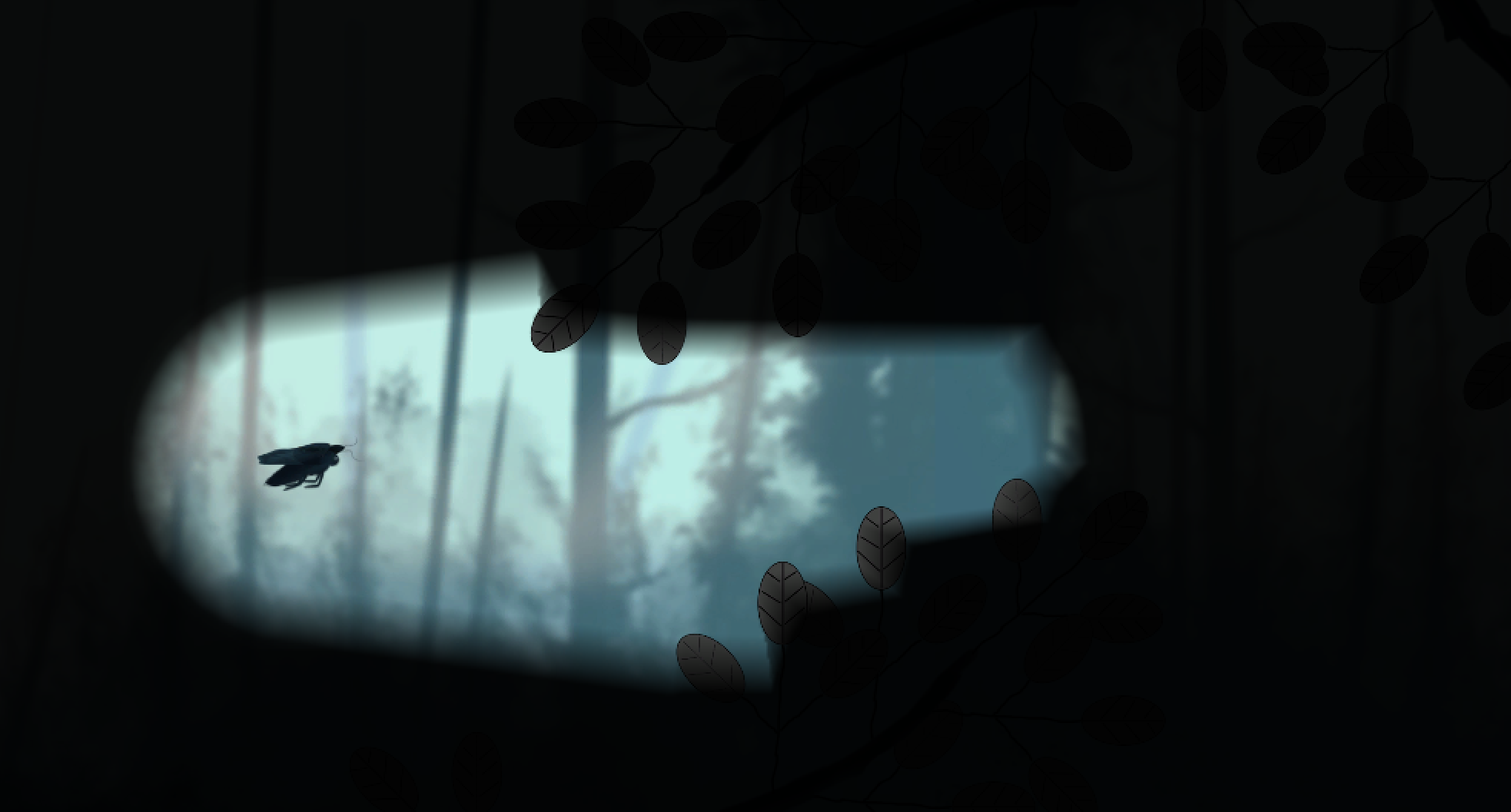
Games, generally speaking, are made up of problems. Or, as it is more commonly described, challenges for the player to overcome. These challenges can take many forms, from puzzles to solve to enemies to defeat. They also often come in different layers (defeating agents of the enemy before fighting the final boss) as well as in different combinations (solving a puzzle under time-pressure). A large part of game design is trying to make sure the player is always faced with a suitably difficult, and interesting, challenge to overcome. That, in essence, is where the fun is. Over the past week or so, I’ve been considering what the challenge, and the fun, of our game is, and whether it is enough. As I wrote in my last post, we are making a game in which the player must navigate obstacles and avoid enemies, but with a limited ability to see.
So the challenge we present is that the player cannot see far, and the means of overcoming the challenge is the ability to see further. The ability to see further is limited, and cannot be used constantly. The stakes for the challenge are generally low (the player can hit obstacles without any serious consequences) but are sometimes raised (there are things in the game that damage you). This leads to some important questions: Are there times when the player absolutely must use their ability to see further, or is it possible to play the whole game without using it? If there are times when the player must use it, how will they know? Critically, is the challenge posed by limited visibility a challenge in itself, or ways to increase the difficulty of other challenges, like a time-limit on a puzzle? And if the player could, potentially, play through the entire game without using their extended sight ability, what is the player then doing? So far we have, without really realizing it, gone down the route of visibility as an added challenge. What will have to be resolved is the question of what the real problem is.  |