3D Computer Graphics: Theory and Application I, Post 7
|
This is my seventh post relating to course 5SD045, it is an update of my progress on assignment 3 – the third major coursework hand-in – and a theoretical Q&A about traditional art and anatomy. Lectures were held on 2014-10-14 and 2014-10-15. In addition to that and as there isn’t much else to cover this week, I’ll quickly touch on the results of assignment 2 to provide some closure to the assignment.
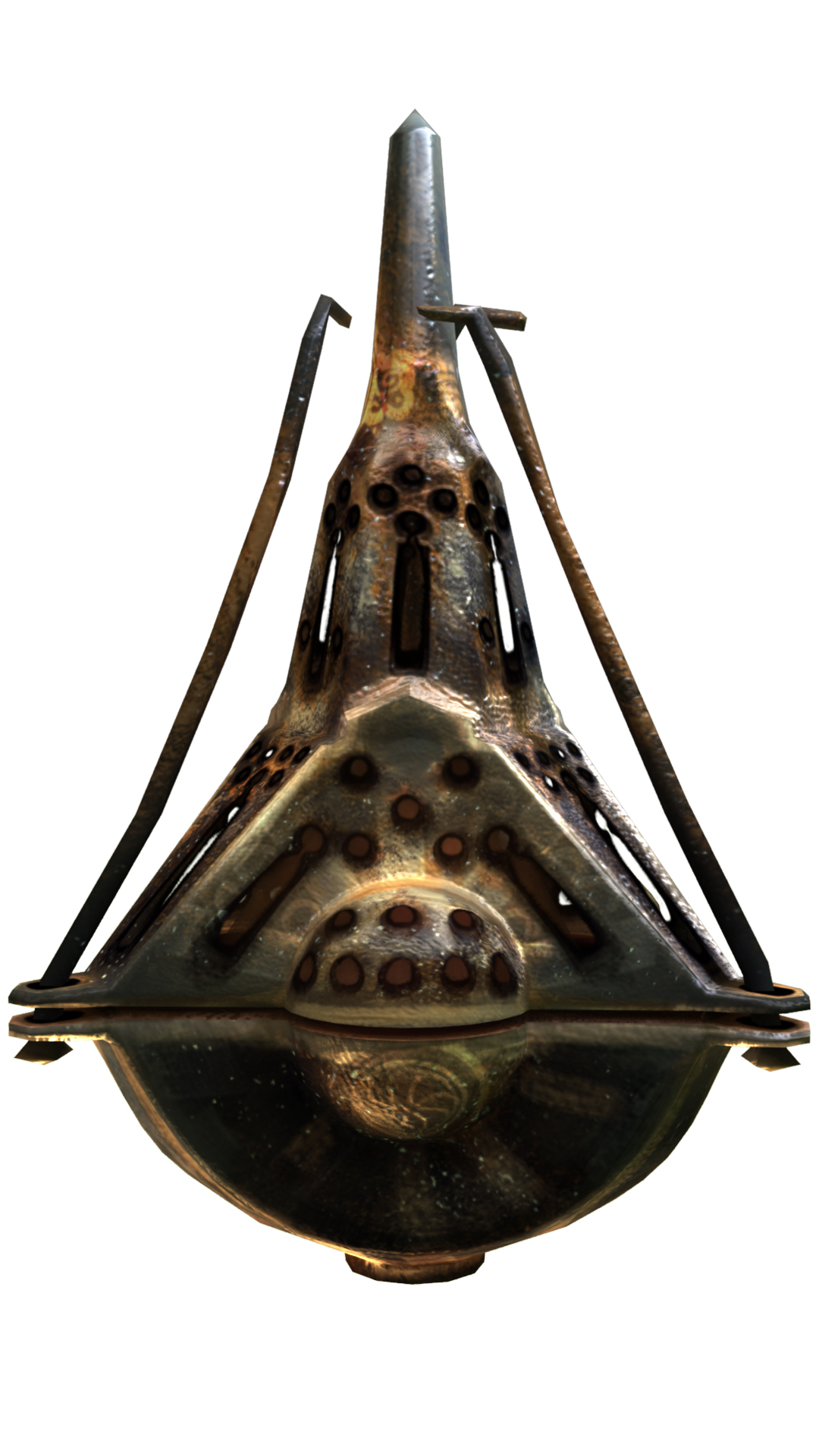
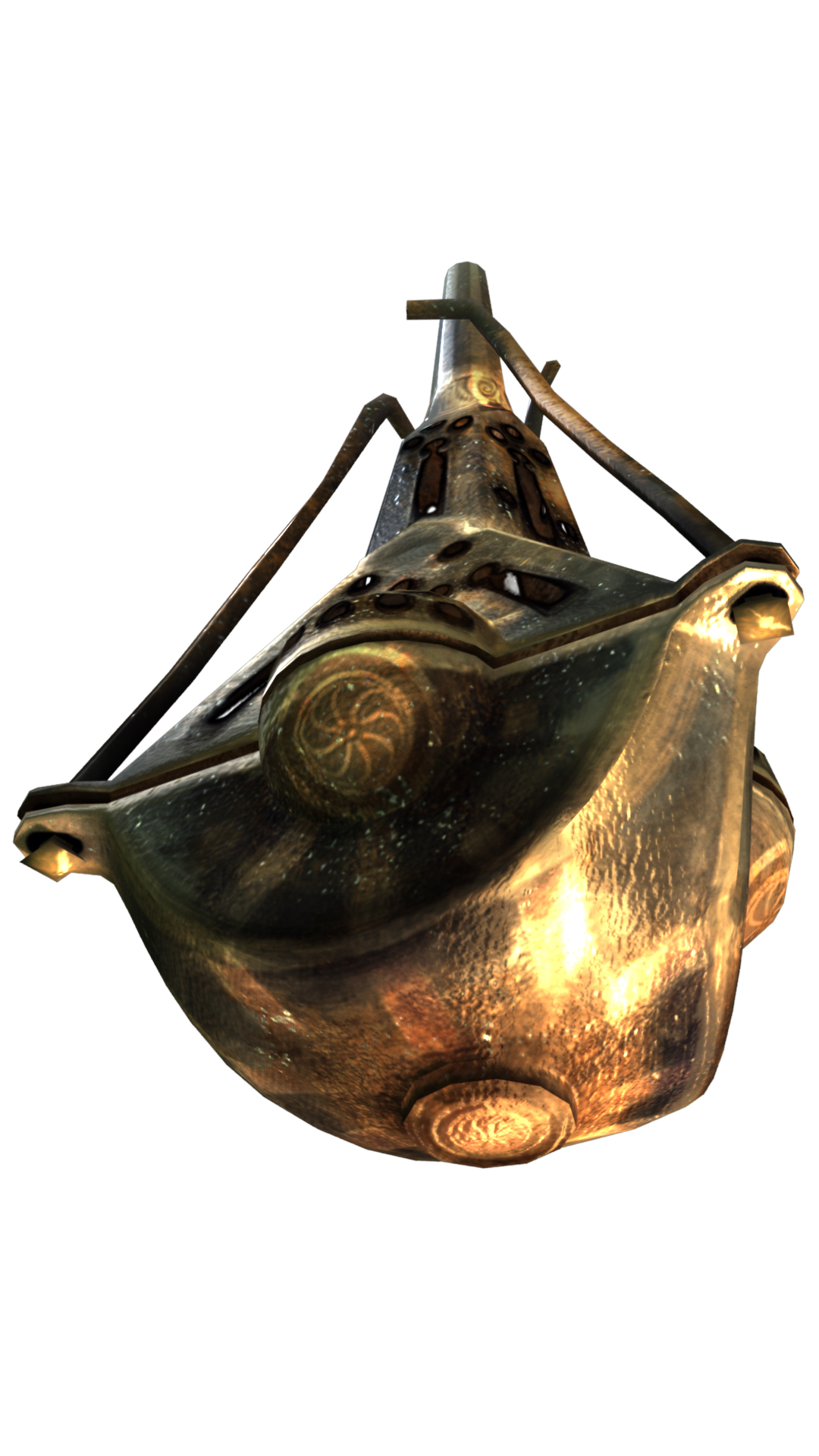
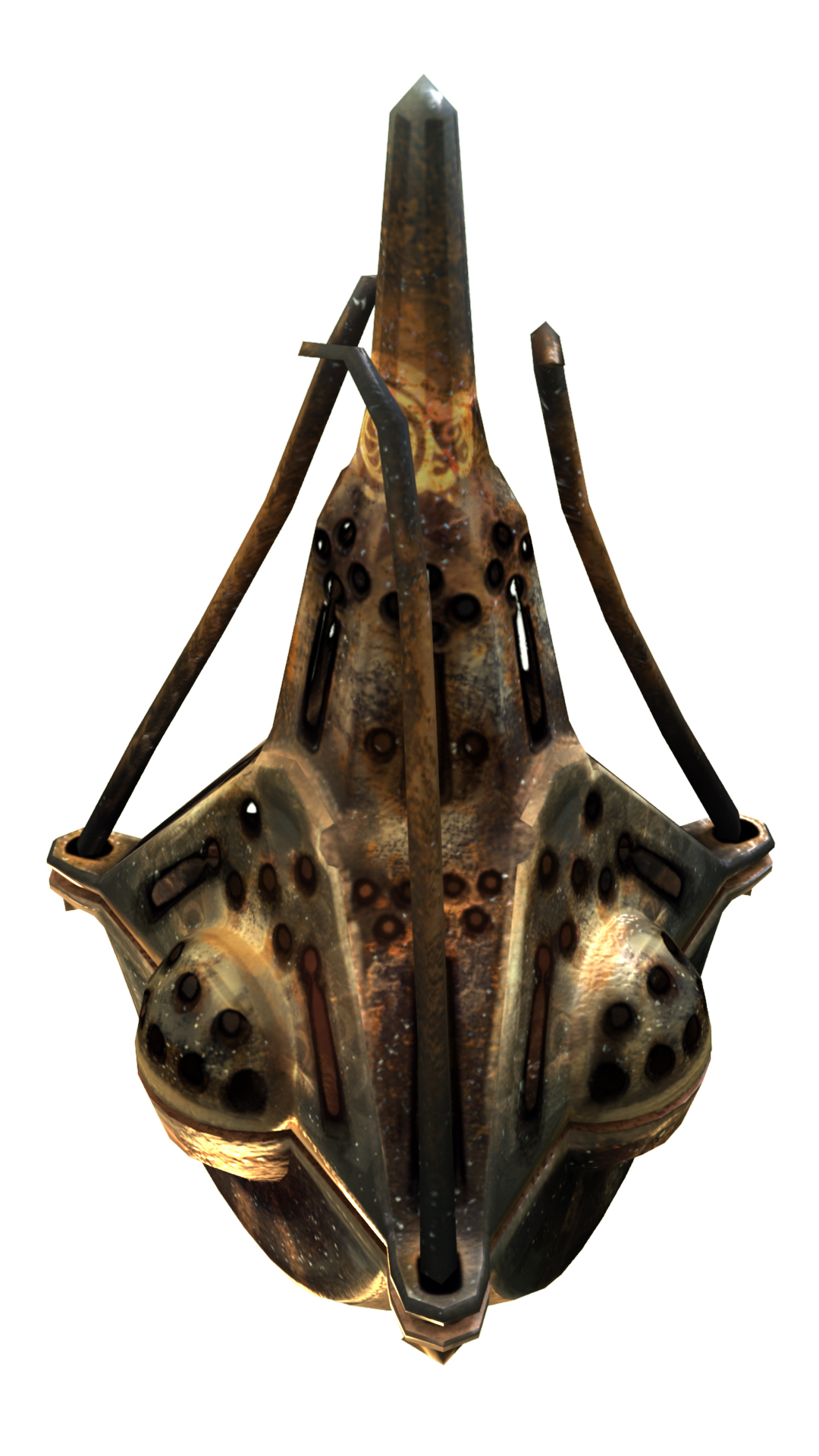
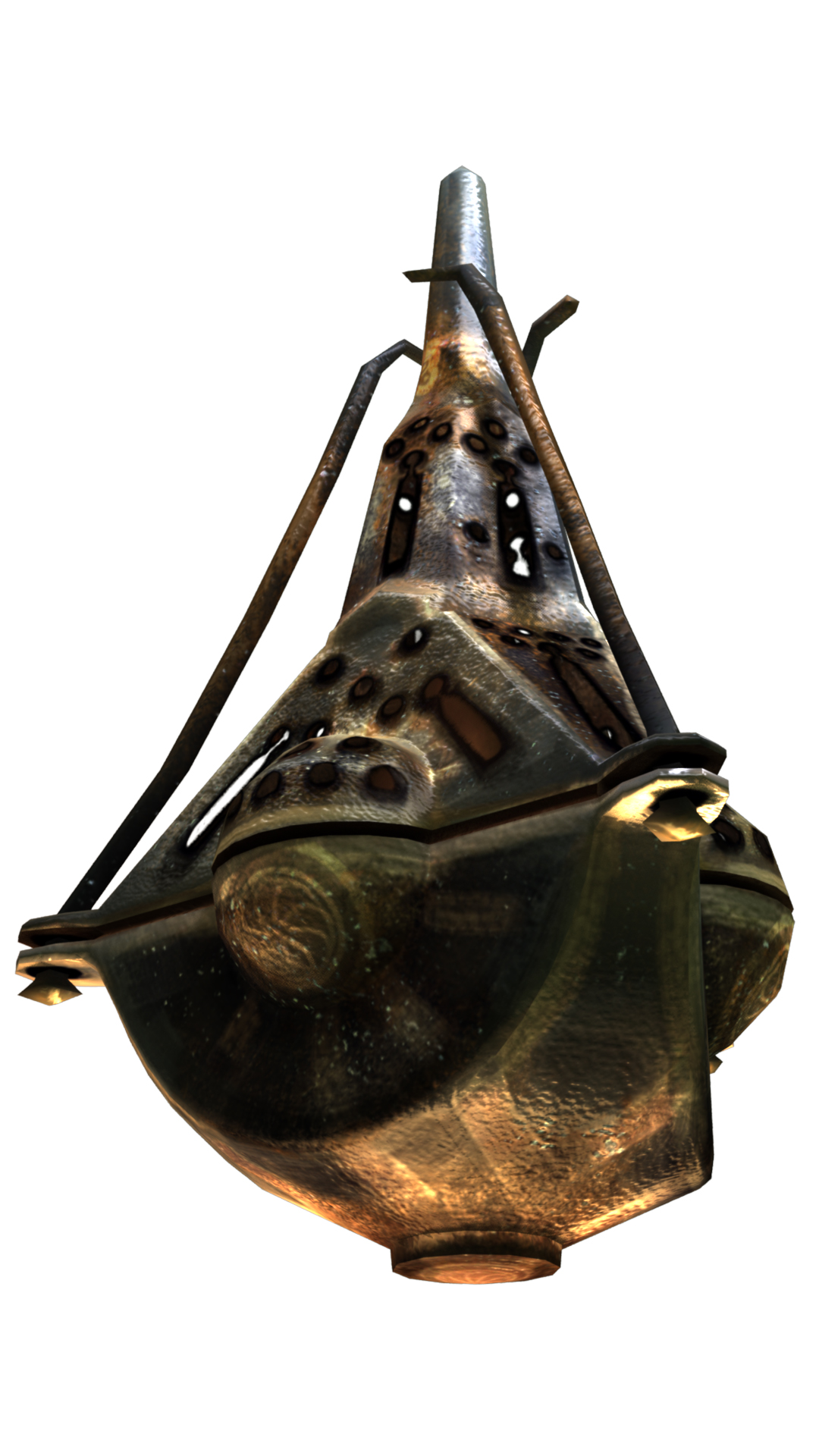
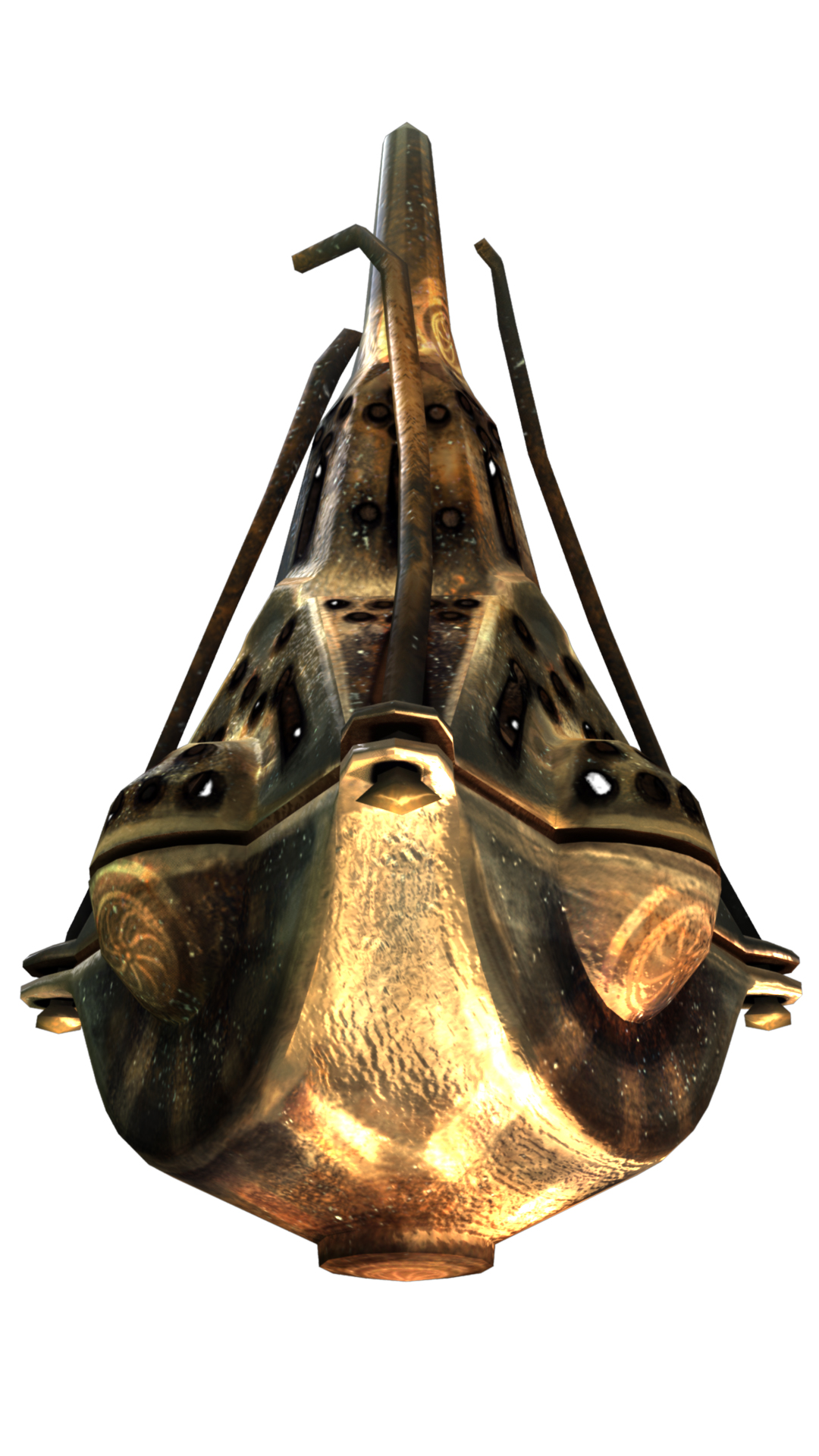
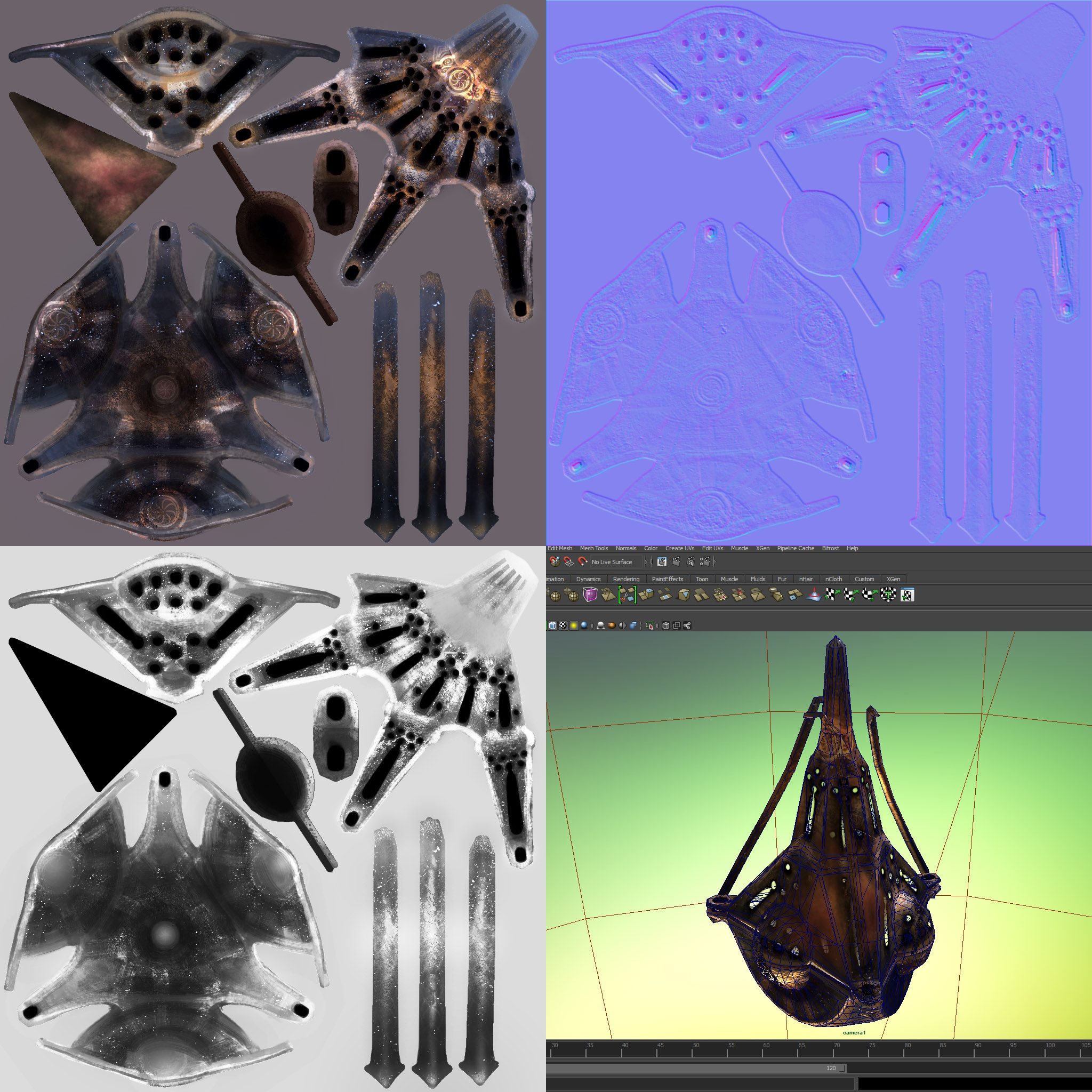
This is the result of our museum visit field trip, an asset based on reference pictures taken from the exhibit, I’ve also included another summary of the map group in order to show the differences between the final version and the prior version posted. Next up is Assignment 3.
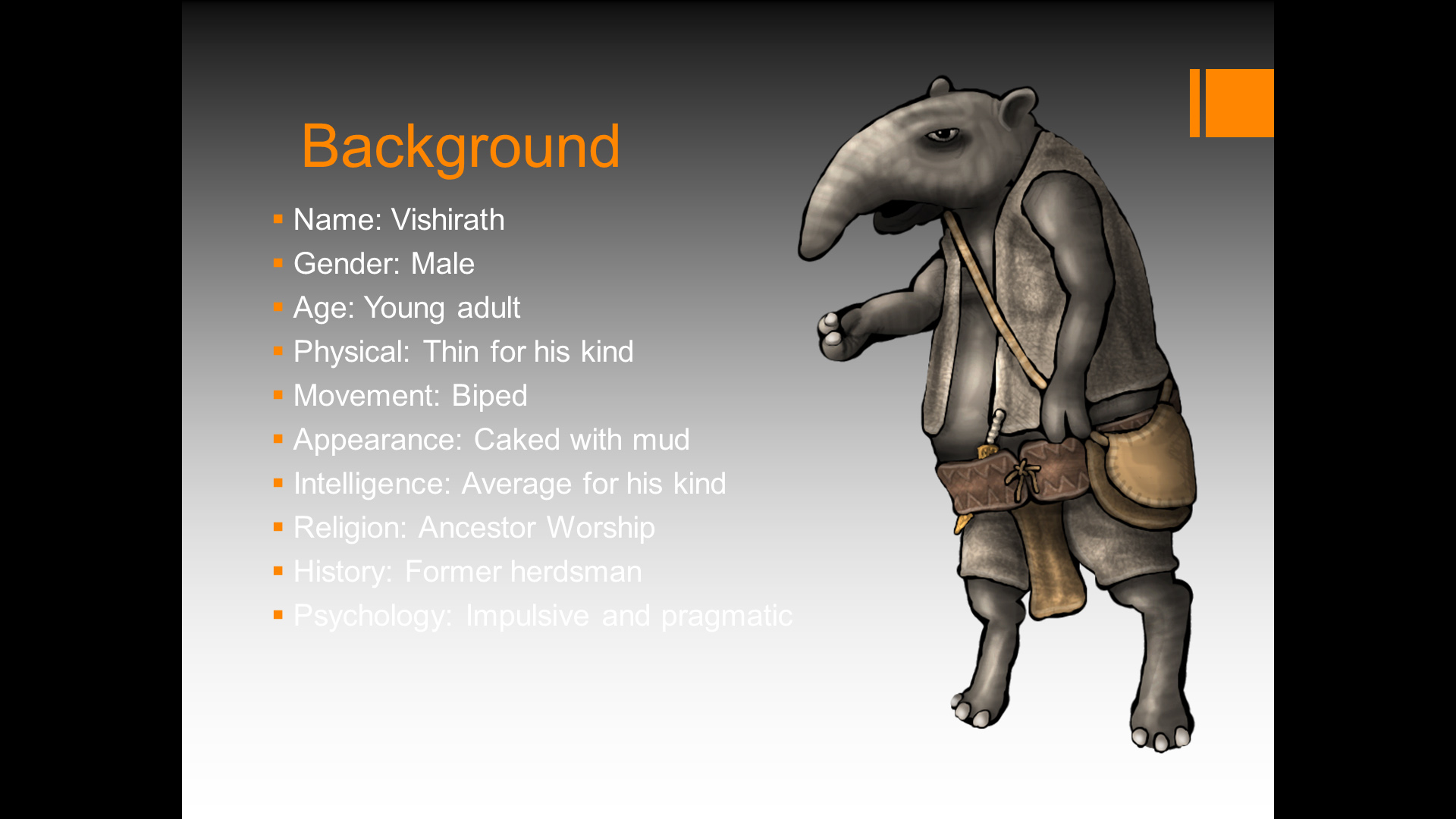
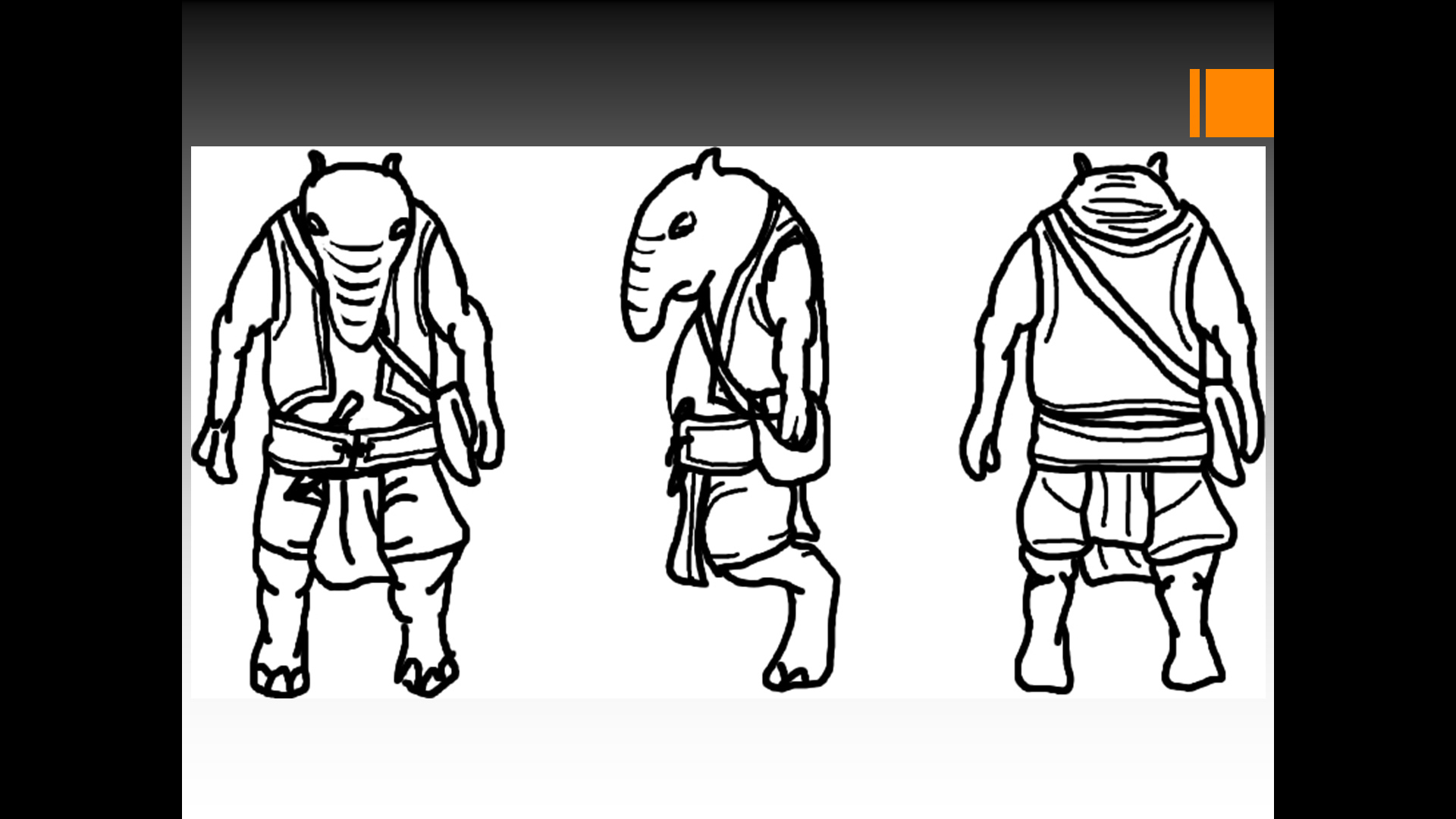
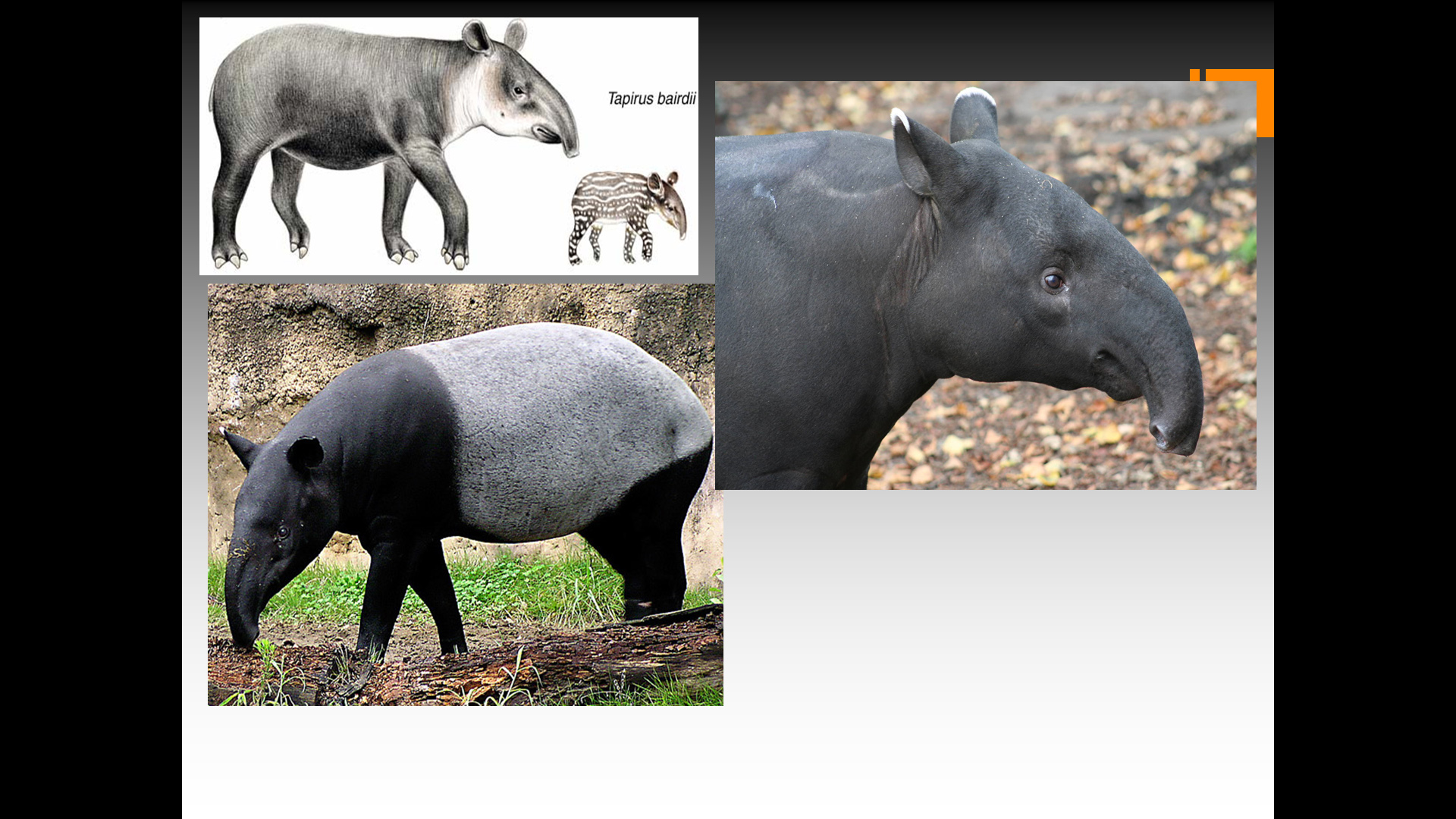
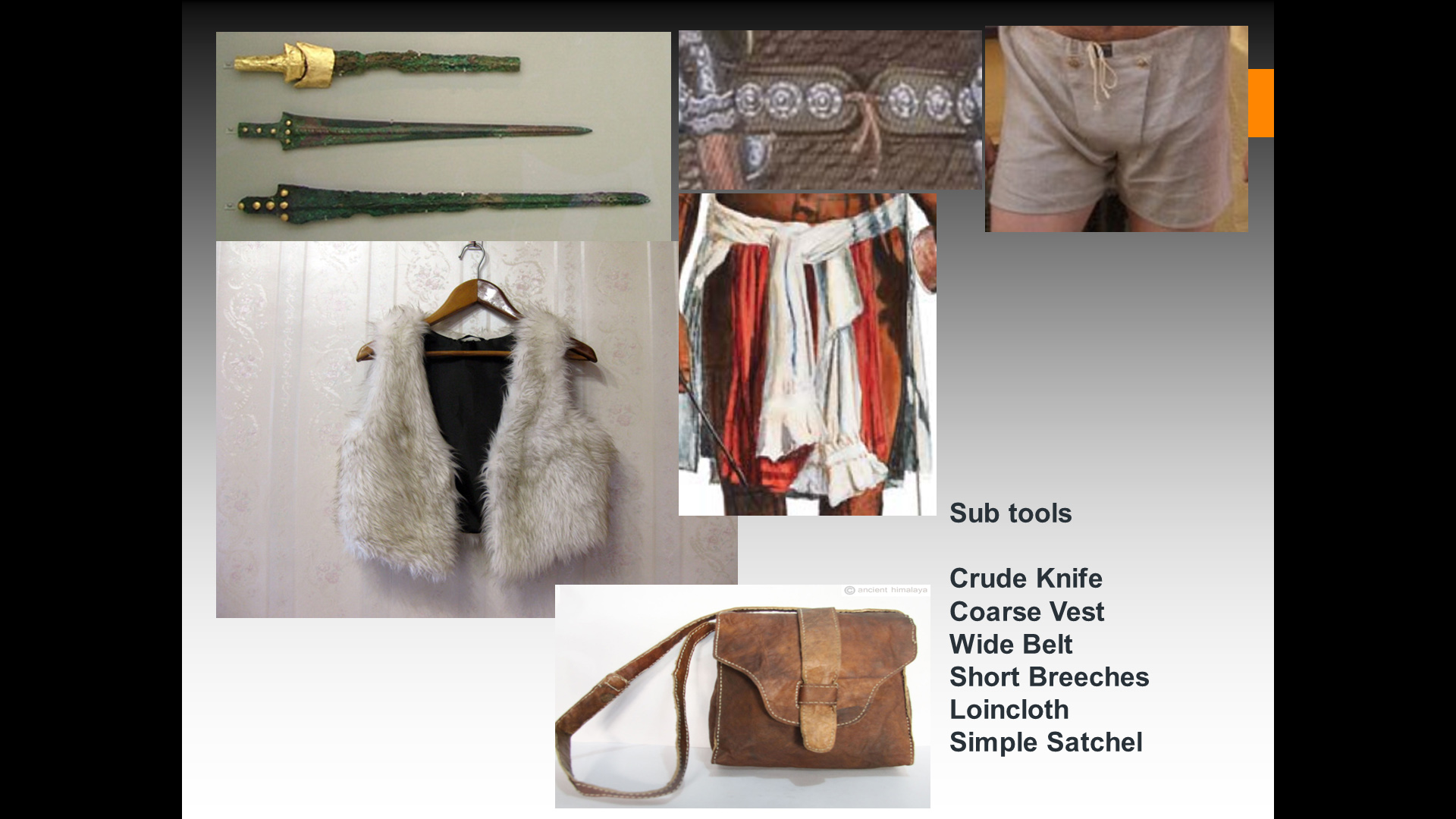
First off, I’ll share the material I received from a fellow student in return for that which I gave him; CharacterBackground_Vishirath. The visual material is in the gallery above. I was not given any specified instructions at the time of the exchange, but I did inquire whether or not it would be okay for me to edit the embedded graphical material – and by that I mostly had the character’s turn-around in mind – and rework it to better suit the production process. I received the response that it would be okay to do so and I will, as soon as I’m done with this report. To sum things up for those who don’t want to read the document, I’ve been given the details for a character called Vishirath. He is a male humanoid, of adult age and is living in self-imposed exile from his nomadic tribe of herders. Their culture seems agricultural and naturalistic, and their belongings reflect their nomadic tribal life. Similar to real tribes which Vishirath’s tribe seems to draw upon, the tribe is like a family and family matters foremost. To skim the details (otherwise available in the above linked document) Vishirath’s secret is also that which lead him to leave his tribe in exile; unrequited and forbidden love. But what he found unbearable back then has seemingly faded away during the strife of his journeys, as Vishiraths main goal is to return to the family he once abandoned. In practice Vishirath is a large and sturdy humanoid belonging to a species that resembles a bipedal tapir, but in an interesting twist and unlike the tapirs we know Vishirath has a carnivorous diet. The world is described with the following paragraph in the received document: “A world where gods once walked side by side with men, where all myths are true, especially those that contradict each others, where men herd beasts and beasts herd men, where the vast expanse of plains house a great many tribes that regularly trade and raid each other depending on the seasons, where civilized cities are few and far between and only kin can be trusted. Where no one can make one do anything, but where one cannot truly survive alone.” The product of which the character and his world is a part of seems to feature a simplified realistic style, Vishirath is described as being caked in mud but the assets are simplified so that’s my working assumption. That being said the cited competitors are all typography-based or icon-based rogue-likes, which makes it hard for me to exactly specify what sort of visual style is intended. The games cited are; UnReal World, Kenshi and Dwarf Fortress (Adventure mode). Finally we’re supposed to highlight potential risks with the assignment itself, modeling a character based on this description, and just to get that out of the way the only thing that worries me is the edge-flow and geometry of the character mesh which is quite complex with organic intersecting shapes and creases. In order to negate that I’ll do the pretty obvious thing by just starting simple and starting over/simplifying if need be.
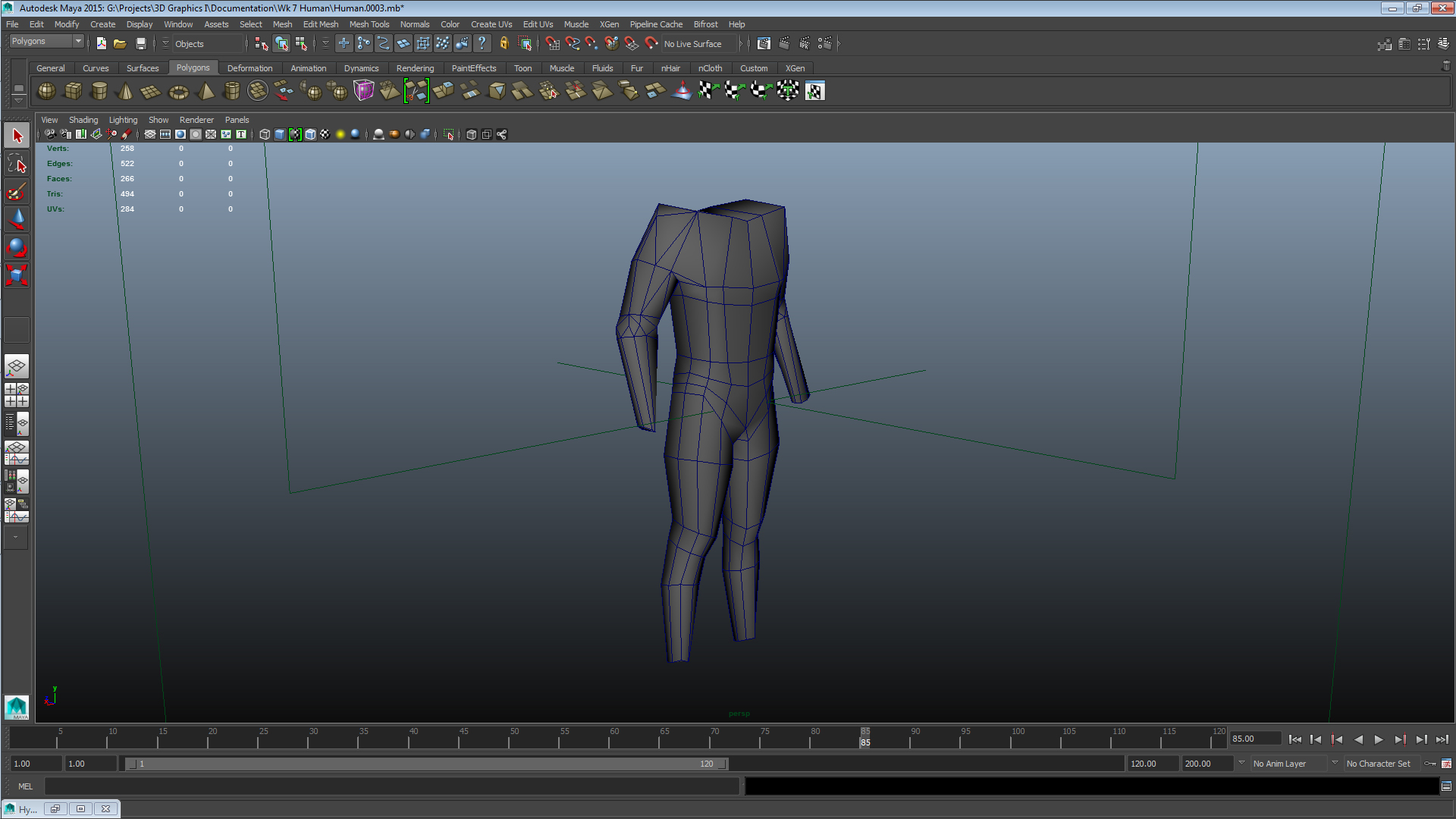
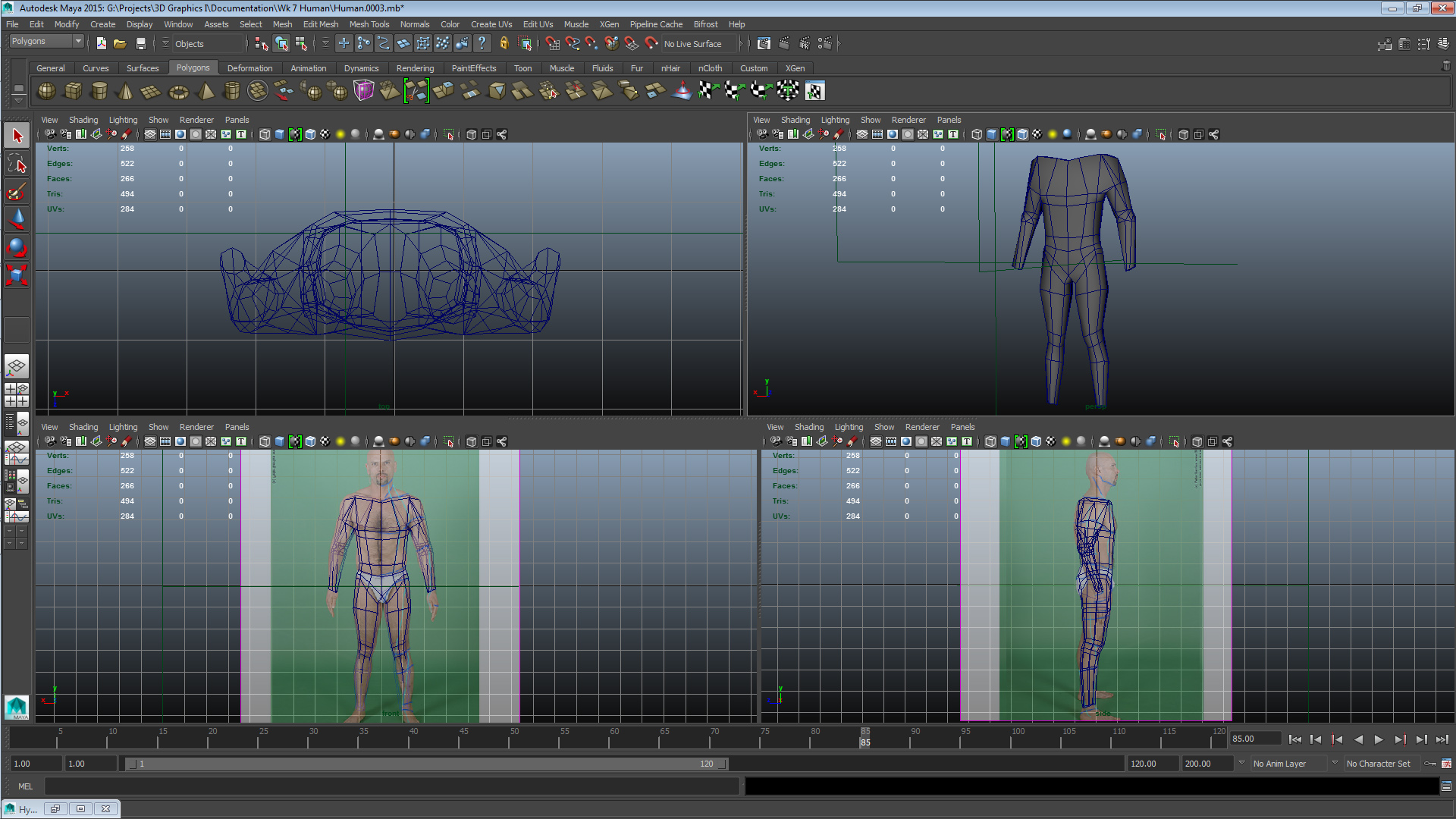
This is an example mesh we did during the lecture held on 2014-10-15. The lecture was meant to familiarize us with the edge-flow of organic humanoid characters. It’s also as far as I’ve gone with the actual modeling part of assignment 3, partially due to issues with the pre-production phase of assignment 3. In short what’s been holding me back is that I still want to process the material I have been given to work with. I also lost time to assignment 2 primarily in that case due to technical issues with some of the software the hand-in called for. I also had to finish up some additional material with the package I exchanged with my colleague in order to make that fully workable. These are however excuses so instead wasting more time embellishing them I’ll get to work on the modeling part as soon as possible.
This is part of a requested set of responses by the instructions associated with the theoretical assignment held as a part of the lecture held on 2014-10-14. For convenience I’ve included the questions that prompts the responses.
– Give Examples of your 2D drawings Link to where I keep a bunch of images Though not very specific this solution reduces the post clutter.
– Critical reflection of areas in which you need to improve Flexibility, Speed, Rendering. Literally in this order.
– Comment on the feedback by your colleagues – what they said, do you agree, why? This is the feedback I was given on the material I and my (during this discussion assignment only one) colleague went through. In the image-dump there are tags on hover so if you want to follow along with the images in question just hit up the right image. The two we looked at during this assignment are at the time of me writing this at the very top of aforementioned page so they shouldn’t be too much effort to find.
“Maleci” What we looked at. -Nose Shape Or just facial structure in general, according to my own opinion as well. It’s something that I’ve worked with since and will seek to demonstrate in future material. -Depth, defining shape, shadows -Define Shoulder These two are related, it’s just generally about rendering techniques and above all about values. I have a tendency of just settling for the established shape and then moving on. I’m not really too sure about if I personally agree with going too deep into detailing values and details but it’s worth looking into. The following three points weren’t specific to the image discussed above; ~Shape & Value As mentioned above, whilst my colleague felt I had the shapes down well I could probably have thought a bit more about the structure and rendering of value. +Color Management +Lightning My colleague noted that my use of colours are mostly vibrant and well managed, and that the lightning is usually clearly defined (even though I personally feel that I mostly play it a bit too simple) “Shirtless Man” What we looked at. -Skin Value, flat Described as all-bright, I can only agree. As with the previous image we looked at I settled quickly for the shape and left it at that. -Arms too large? Uncertainly mentioned and entirely possible, I made him deliberately very broad but I didn’t actually think of that so it might be. I myself feel that they are in anything a bit too undefined, also not very dynamic. +Metal (and materials) Look at; Realistic material rendering techniques. Was suggested to me by my colleague.
And that’s all that was exchanged, it was a fairly brief moment during which we exchanged criticism and I received his critique first so we had to move on to his material after we had gone through these two.
– How can you fill your knowledge gap? E.g.: More drawing/ sculpting, reading, etc. By drawing more, you could argue for the value of theory versus practice or that it’s an obvious non-operative answer but in my mind the best way of learning is by doing and it’s what I will do.
– A plan on steps you can take to improve your knowledge of anatomy for artists over the next six months, with 2 months goal (3 goals in total). Plans never seem to work out for me as I get hung up on making the best possible plan and then get very complacent when I feel that I’ve considered every possible option. Therefore I won’t tie this down to specific months but I’ll instead just loosely outline alternatives;
That’s it for this week, this should should help pick up the slack I left behind with Assignment 3 during post 5-6. cul8r  |