|
We did eventually manage to finish our project and present it to our fellow students on march the 15th, as planned. The game was very difficult, as it generally required several attempts to complete. However, it was not without some sense of joy that we discovered that many of the people that played our game actually kept retrying, eager to reach the end.
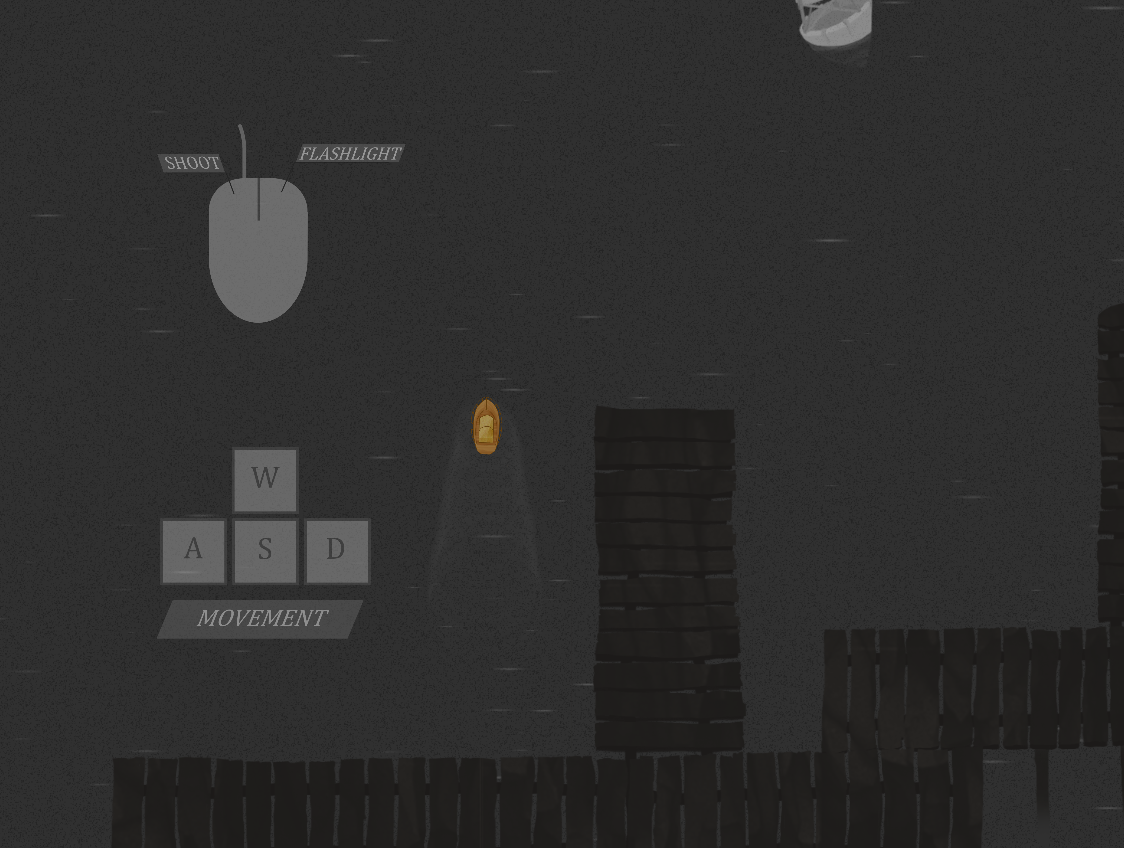
Unfortunately, some of the reasons behind the high difficulty was not due to our design. For instance, players were funneled into a certain part of the game with surprising frequency for reasons we have yet to understand. This was problematic, since in this area lay a speed boost and when players picked it up they’d rush north with blazing speed – Straight into a pack of very strong enemies that made short work of them! Enemies was unfairly strong as it was, and their distribution over the game area really required you to proceed slowly and methodically. But we had placed speed boosts all over the place which strongly encourages the exact opposite!
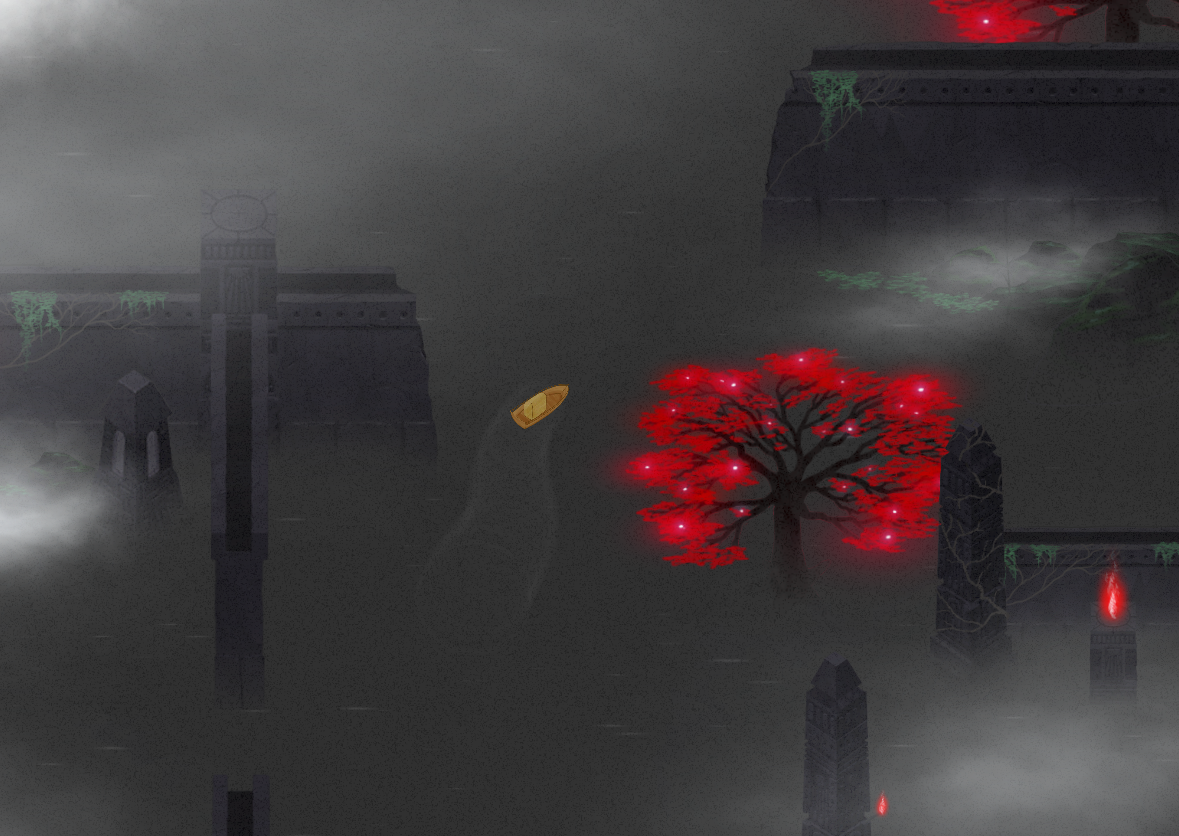
Additionally, we had a few areas where players would get lost, in particularly at the beginning of the map. An important part of the narrative, namely to collect a gemstone and escape the beast that guarded it, wasn’t communicated nearly well enough.
Most of the biggest issues with the final design of the game could’ve been forseen an solved with rigorous playtesting. But we had no playtesting at all of the final design of the map and the narrative with the gemstone! Additionally, the map was largely designed by one of our artists right before the last deadline! It is of no surprise that it turned out highly flawed and with glaring issues.
I think that the flaws of the game is strongly tied to some of the shortcomings in our methods of production, which I’ve written below.
- Not sharing the same work area. Many of our later ideas came about as a direct result of us working around the same table, and things suddenly got done much quicker and better. Frankly, while I can easily see some reasons why working together in the same space is better, I struggle to understand how it to such a large extent improves work output. It’s just brilliant.
- A great lack of playtesting. The people designing the game are, by virtue of being the most knowledgeable about the game, terrible playtesters. We should’ve focused from the start on having an alpha build that worked well as a subject for playtesting – Something that could be used to gather actual useful data that would help the design going forwards. And then the same should have been done for the beta build. But we had neither a decently functioning alpha, nor beta build to playtest. The 2 scheduled playtesting session throughout the course should’ve been the absolute bare minimum amount of playtesting opportunities.
- Not enough work put in. This ofcourse depends of the dedication of the group as a whole, and while I would’ve personally liked that we collectively put in at the very least 18 hours a week per person, I’m not under the impression that I can dictate how others should spend their time – atleast not when my opinion in this matter is the minority. Unfortunately, the quality of the game in its completed state is in this case in proportion to the amount of work invested in its creation. Had we invested enough time, we would’ve had the enjoyment of being the creators of a much better game. Additionally, many of the previously mentioned problems could’ve much more easily have been solved or avoided entierly with more work put in.
- Lack of planning. Properly beginning the creation of the game area with the deadline coming up in a matter of hours is awful. We lacked a holistic view of the project in any meaningful sense of the word. Working in the same area could’ve reduced the severity of this problem.
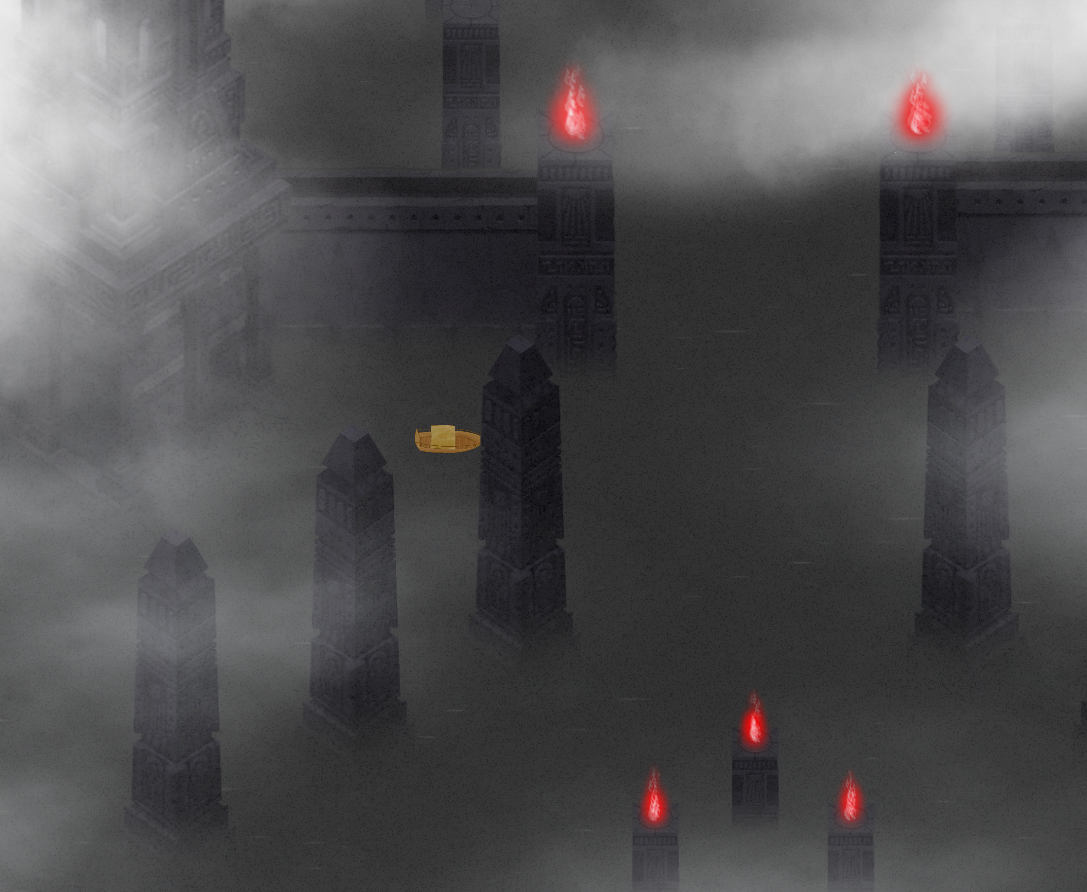
All in all, I learned a lot during this project and I have enjoyed working with my team members.
Thank you for reading this postmortem.
Happy gaming!
~ Patrik.
5SD064
About Patrik simon timmy Lindkvist
2017 Graphics
|
