Generating sounds using…noise!
|
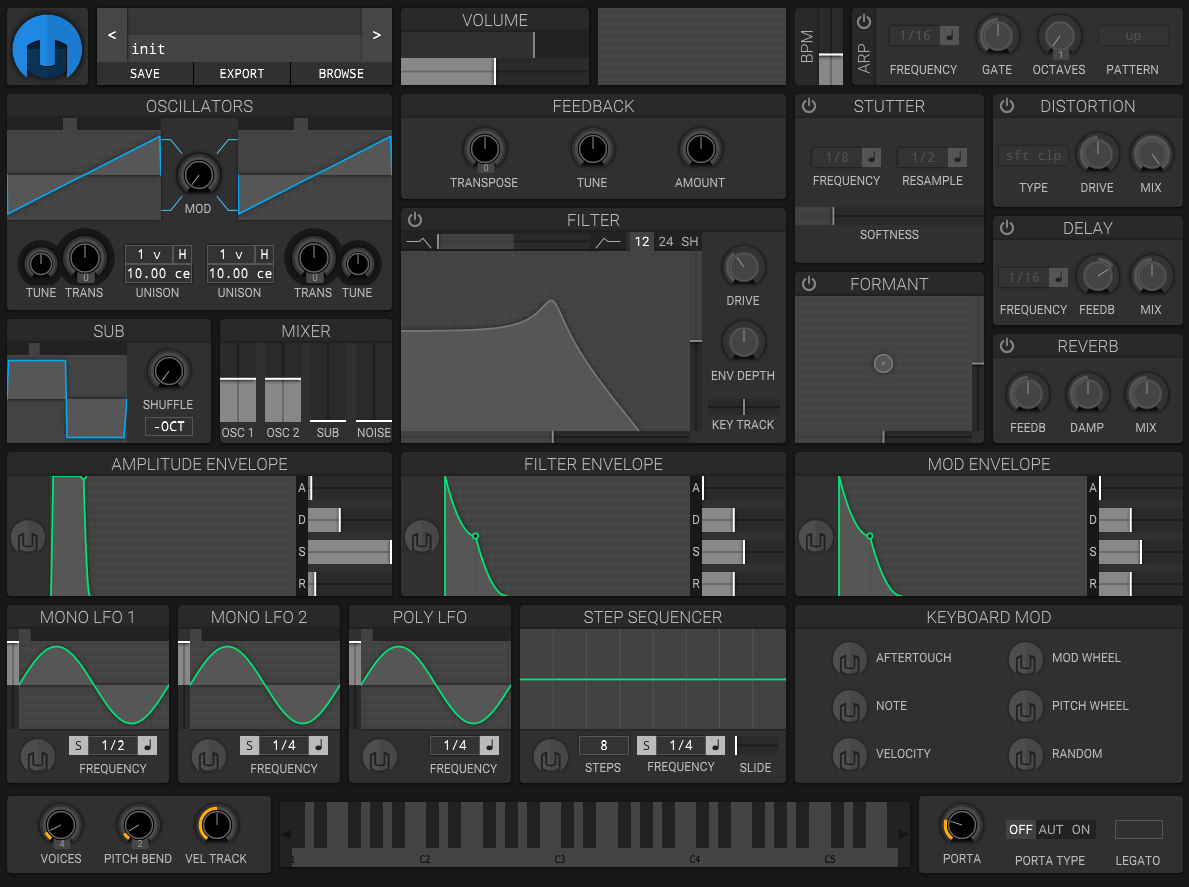
What I’ve been doing This week I’ve spent most of my time experimenting with noise in preparation for making the Umibōzu sounds. My idea for the Umibōzu sounds right now is to make them very windy and make the synth form vocals so it actually sounds like someone is speaking even though it’s just a synth. Synth vocals can create a pretty unsettling sound in my opinion which is why I think it fits perfect for Umibōzu. The synthesizer I’ve decided to use is Helm by Matt Tytel which is a free software. It has a really modern look and the interface is pretty intuitive compared to other synths.
I will explain how I created the sounds, some of the modules I’ve used and motivate why I used them. White Noise Many synthesizer have the capability of generating white noise. White noise is frequencies randomly spread across the frequency band / frequency spectrum that the human ear can perceive. Why people call it “white noise” instead of just “noise” is because it’s analogous to the color white which contains all the wavelengths of the visible spectrum.
The red/purple lines are the frequencies of the noise sound Helm generated. As you can see the noise covers a wide range of frequencies. These frequencies are spread across the frequency band in some sort of random way and they are not harmonic overtones. The higher frequencies are to the right and the lower frequencies are the to left. If we compare it by playing a piano note, it will generate a different pattern. Here you can see that the smaller overtones that diminishes as the frequency gets higher is stacked on top of the fundamental frequency (the purple line to the left).
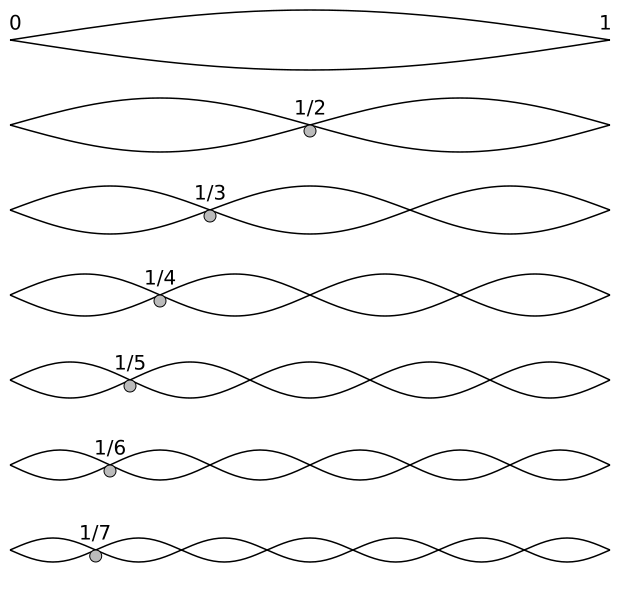
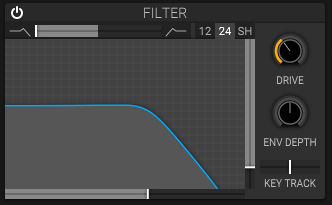
An overtone is a basically a frequency that is higher than the fundamental frequency. Harmonic overtones are the frequencies that are an integer multiple of the fundamental frequency. Because of this, their wavelength is a fraction of the fundamental frequency. What sounds can you do with noise? The possibilities are almost endless but what I’ll be focusing on is generating ocean, wind and scary Umibozu sounds. If you think about it, the ocean and the wind almost sounds like white noise. If we add a low pass filter to the noise, we can perhaps create a sound that resembles the wind or the ocean. We generate the noise by simply disabling the oscillators and only enabling noise. Now we can start changing the noise. The Wind For the wind I started of with plain white noise. I added a low pass filter which is a filter that cuts off the higher frequencies of the sound. It will make the sound more muffled.
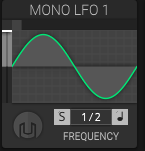
Then I modulated this filter using a LFO. You can see the LFO as a value that oscillates in the pattern of the waveform. This value can then be used to change the value of different parameters in the synth, the master volume for example. You can also adjust the frequency if you want to change how fast the value is going to change.
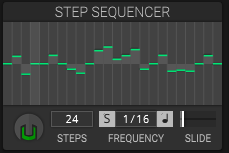
I set the LFO at a low oscillating frequency and used it to modulate the threshold of which frequencies I want to cut off in the low pass filter. This will simulate the sound of the wind changing its speed. I wanted to make it more random so I used a step sequencer which is similar to LFO but instead it’s value is changed using steps that gets played in a determined order.
I used the step sequencer to also change the cutoff of the low pass filter but it does this at a much faster rate to simulate turbulence and more random feel to it. The last thing I did was to apply a little reverb to give it a bigger sound. It’s the sound you’ll here after you’ve just clapped your hands in a large empty room. In other words, the feedback from the sound waves bouncing against the walls of the room. The Ocean The ocean was pretty much the same but I removed the step sequencer to make it sound less windy and more oceany. The Boss Sounds The boss sounds was almost the same as the wind and the ocean except I used a filter called formant to create vowel sounds.
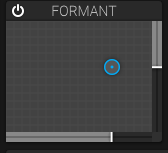
Helm has the ability of creating different vowels using a special filter called Formant. It’s modulated using a pan to create different vowels depending on which corner you modulate towards. Conclusion Synthesizers are great tools for creating sounds that would normally be difficult to replicate and record in real life. You can combine modules in different ways to generate unique and artistic sounds for your game. But there are some cases it’s better to not use the synth, the synth is capable of producing lots and lots of sounds but it has its limitations. When you want realistic game sounds it’s often easier to just record sounds from the real world since that is exactly the sound your aiming for. The synth only provides you a certain amount of tools to use so it can feel somewhat limiting to some users. This doesn’t have to be a fallback, it can sometimes lead to great results. When you’re limited with the tools you have on the synthesizer you’re forced to think in a “problem solving”-way and find creative solutions. But then again, maybe you won’t have a sound that suits your game.  |