|
Arrogance kills good game design.
This is my latest revelation during big game project.
During this education we have learnt an abundance of different concepts and principles, and one of these are fail harder, fail faster. It means that you should try if something works or not and get to the point where the game fails as fast as possible so you can fix it or restart. This goes hand in hand with my latest revelation.
Since im the lead design for the project/game called a rat betwixt I’ve been thinking about the design behind it. When you think you have a solid design and you’ve made a solid paper prototype and even a decent digital prototype that gets okay response on play testing, it’s natural to think that you have a good game/product.
However this can make you somewhat blind to the problems with the game. It’s not as easy as thinking your game is perfect, it never is, you can always improve your game. It’s more about not being able to sacrifice some parts of the design for the greater good.
12/05-2017 we had a play testing session where we realised that our game is not what we want it to be. We realised it’s not fun enough, it’s too complex, not easy to explain nor will we be able to finish all assets in time.
We have heard some criticism on the scope, some of the design choices and graphical choices since day one. But we were not ready to make those cuts because we needed them for the game to work. Instead of redesigning so that it worked without these elements we pushed and tried to get them into the game anyway.
Thanks to the play testing we were able to see this though. Most of the group was disheartened at first but after a while it passed. On monday 15-05-2017 I personally called for a meeting to talk about the design of the game, how much we had deviated from our goal and what we could do to rectify this.
This is where i have to give special thanks to Emelie Rodin, a fellow student, for helping us out. I reached out to Emelie and told her that i really needed help with the design, and thankfully i got it.
The game is now more focused, simplified and scaled down. This allows for quicker and more intuitive learning, faster paced and frankly more fun gameplay.
In game design you talk about skateboard, bike, car. This means that instead of creating all separate parts of a ”car” or project and nothing that works untill you put it together you build something that serves the same purpose, that is the same but lighter and the make it more complex along the way.
For example building a skateboard which serves as a transportation method then turning it into a bike, a more advanced transportation method, then a motorcycle and then finally a car. Doing this instead of creating each part, starting with the wheels then adding a body, then adding a chassis and then the engine and so on allows you to have something useful before it’s complete. While the latter mentioned way leaves you with nothing useful until the end.
You can check it out at:
View story at Medium.com
To explain what I’ve done I’ve borrowed a picture from this site and painted on it.
We basically began with a skateboard. We had a paper prototype with only the games combat system. The next step was the exact same prototype but digital. Then we added a few features and made it a bit more complex. But somewhere along we started making parts again.
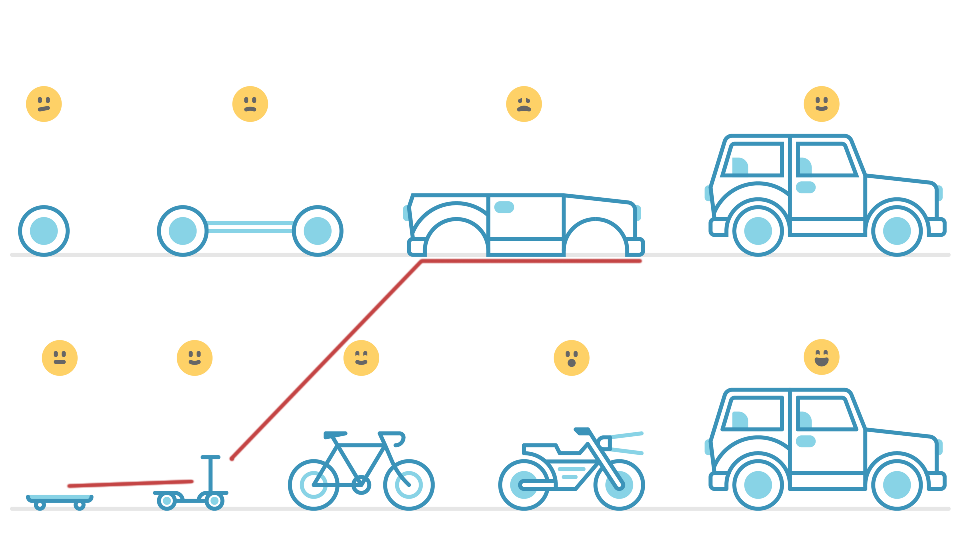
(credit: https://medium.com/@awilkinson/skateboard-bike-car-6bec841ed96e)
So this picture describes what happened to our production, and since we’re not done we can not honestly say if it will turn out fine in the end but we are on our way back to the right path.
This post has been kind of rant about design, but soon I’ll be back posting about my production in graphics.
Last but not least, here are some screen shots of the game.
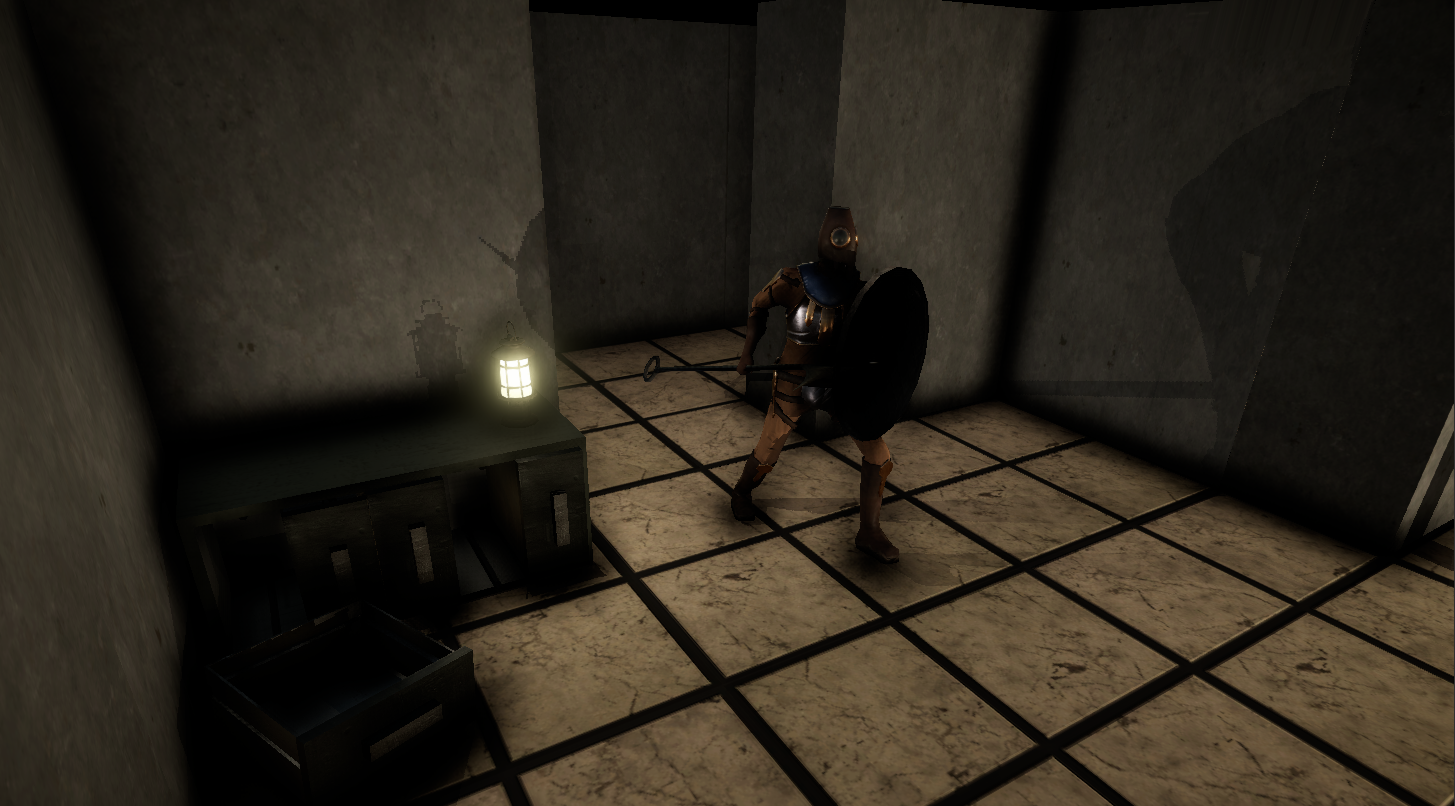
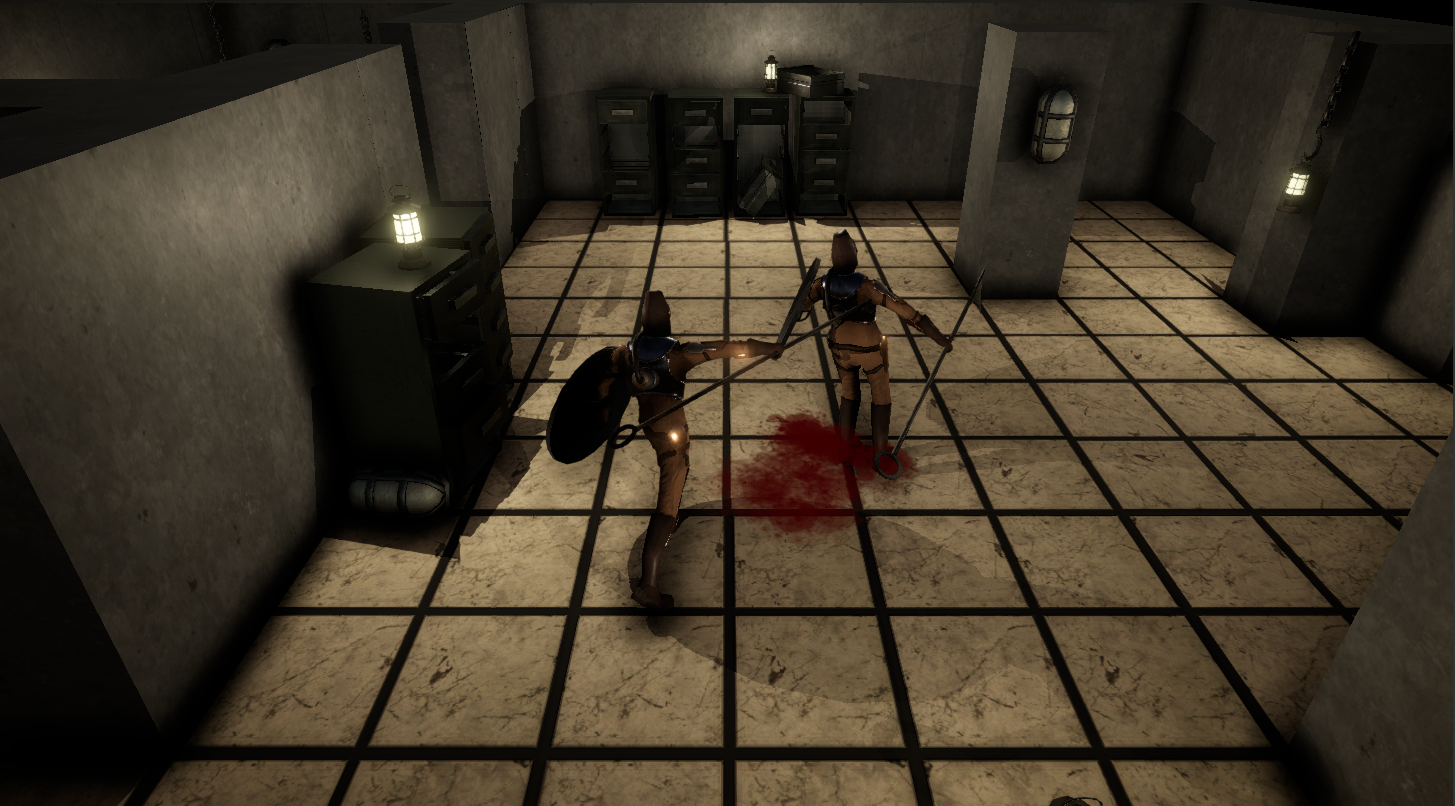
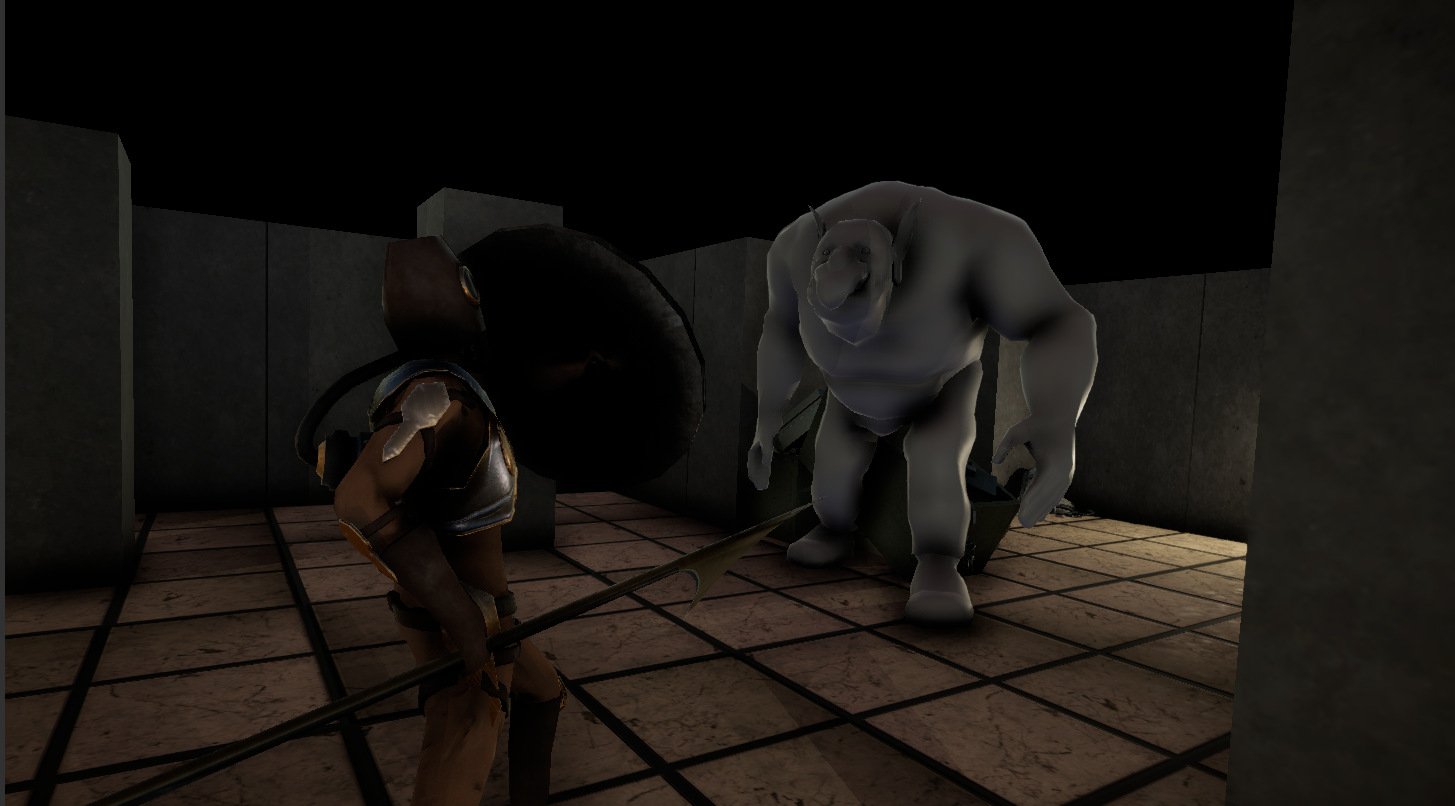
If you want to check out more stuff on our project be sure to check out the other developers blogs, and if you want to make sure to check out my friend Emelies blog too! 
Emelie Rodin Friend (and hobby design consultant for A Rat betwixt).
Adrian Hedqvist Lead Programmer.
Karl Malm, producer and programmer.
Sakarias Ståhl, lead artist.
Anders Schultheiss, lead animator and artist.
Maximilian Bergström, artist.
Linus Bjernhagen, programmer
About Sebastian Engstrand
2015 Graphics
|
