Part 3: Learn Modularity or die
|
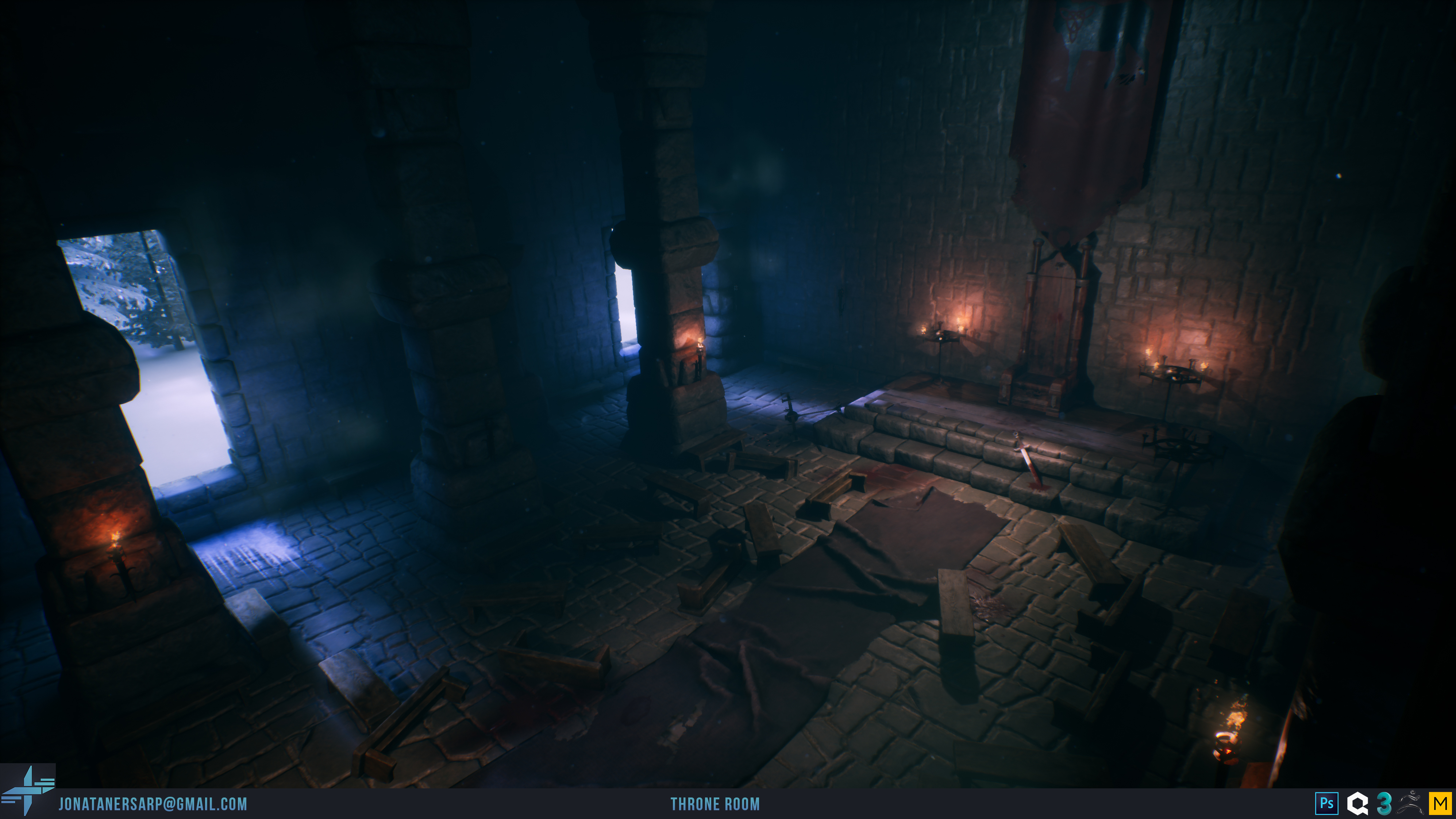
My dream job at the moment, besides becoming a world famous drummer, is to become an Environment Artist at a cool game studio. Pursuing this goal I have actively studied job openings for the past 2 years. Learning about what different qualifications studios need out of their artists has become helpful for me. It has helped me pushing myself to learning more and understanding what it takes to make it in the industry. During Alumni Days 2016 I met Maria Norkvist and asked if she could review my portfolio (along several other students in my class). It became very clear that modularity was something that I had to continue exploring and learn about. In early experiments I started with sci fi environments, as that genre almost always use modularity. Why you might ask? Sci fi environments tend to have machine made walls, floors, panels etc, and machine made objects are often perfect with their lines, shapes and forms. However, with another huge missing piece in my toolbox, being digital sculpting, I felt like I was wasting my time as I got the hang of modularity pretty fast. So, in order to learn both modularity and Zbrush before BGP I needed to create an environment that used both. So I created a simple throne room in Unreal Engine 4.
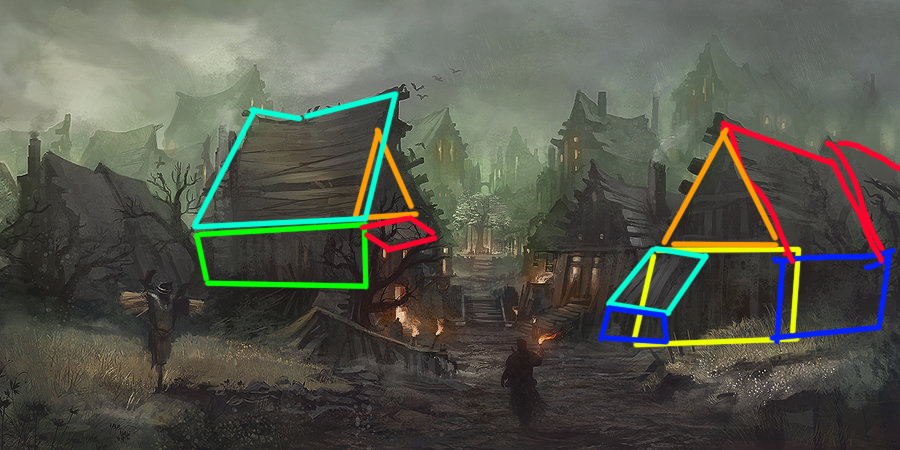
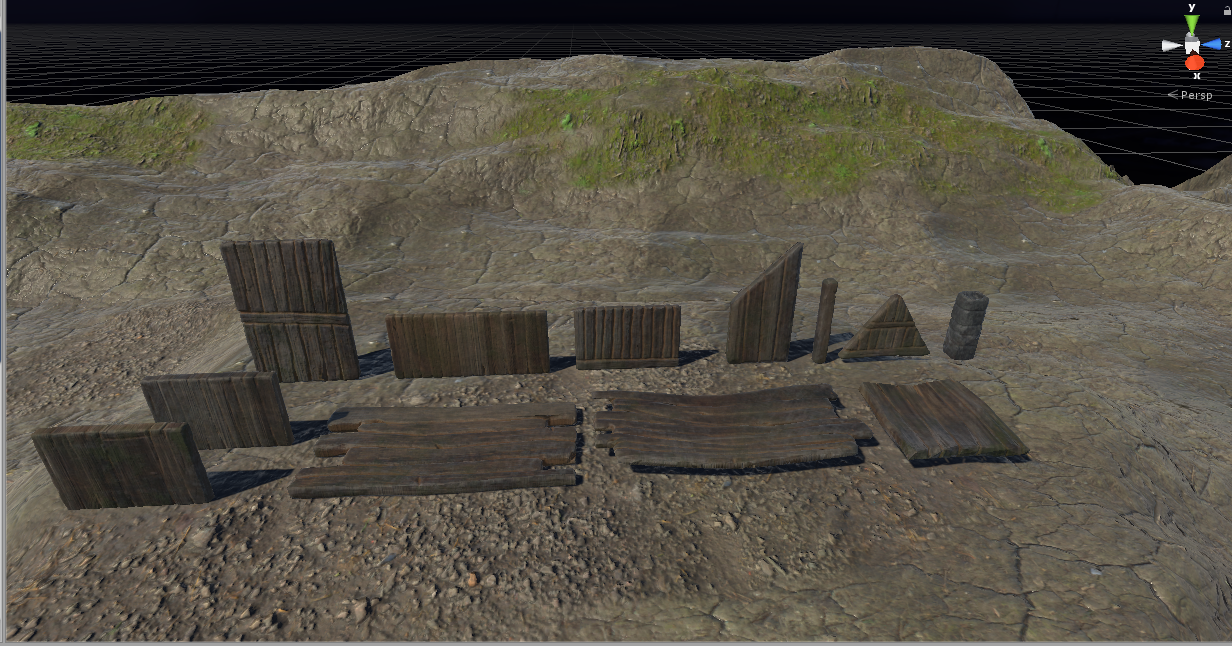
With the experience I gathered during that project I was fully ready for the task ahead as Lead Artist on Rune Mages. The game is set in outdoors, and this is a ”problem” if y ou are going for a modular workflow. It is completely possible to create organic environments that are fully modular, as seen in this article. It does however become a greater headache, something i do not have time for during this 10 week Project. The Environment is therefore a traditional terrain with a couple of different trees and rock meshes. Nothing too fancy. However, we do have a small Town in the game, which is perfect for modularity. I start with analysing some inspiration photos and plan out what modular assets I need to create infinite variations. It looks ridiculous I know, but it helps so much. Out of these I blockout the general shapes and most importantly sizes, then I sculpt them (will go through that workflow in the next post). When done this is what I end up with.
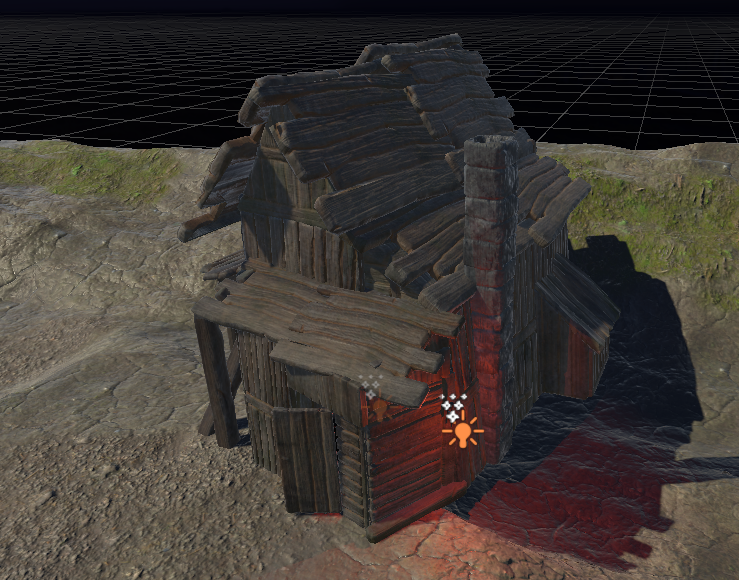
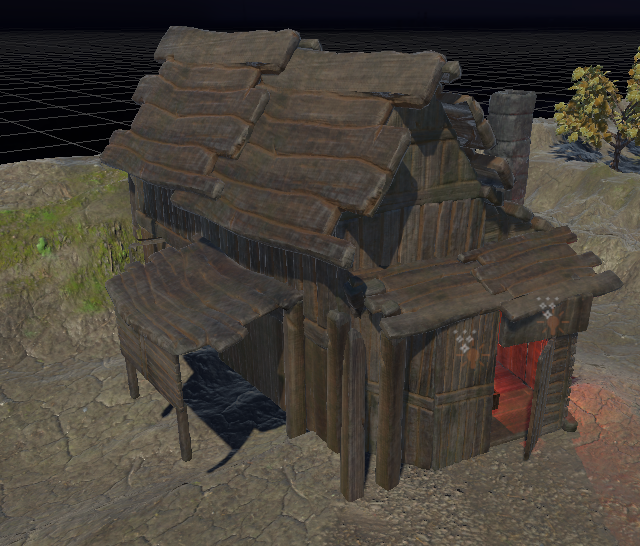
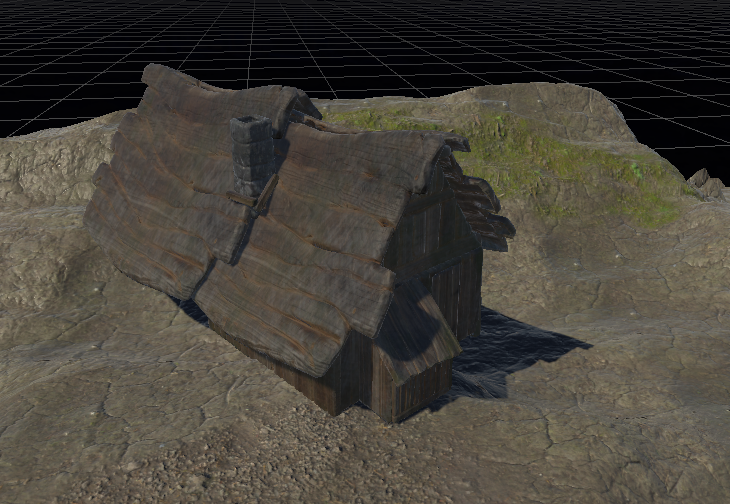
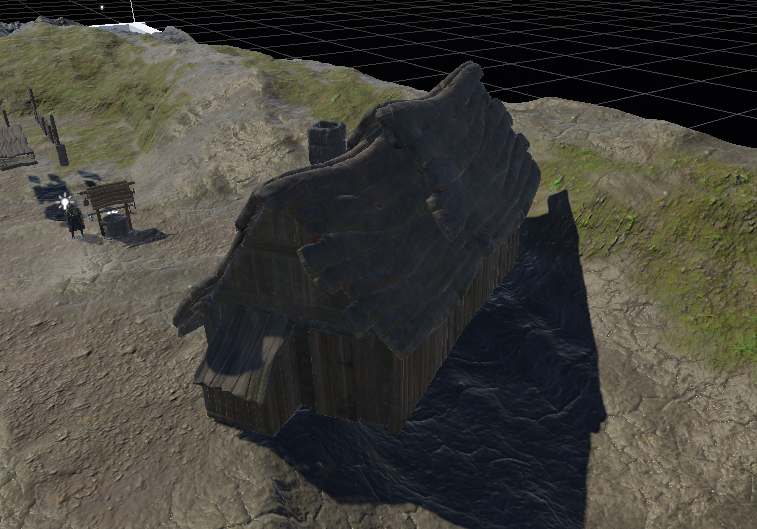
With only these pieces I can already create thousands and thousands of different looking houses. If I create another texture set, or add another piece even, the numbeer only goes up. Creativity is what stops you, and personally I reminisce to the when I was Young and built all sort of crazy stuff with Legos. This is the exact same thing. Here are two houses I have built thus far. With the addition of decals to break up the repeating Visuals and colors a bit, I will be able to create an entire Town with only 12 set pieces.
Thanks for Reading, hope you got inspired or learned something!
 |