Animating the Squid
|
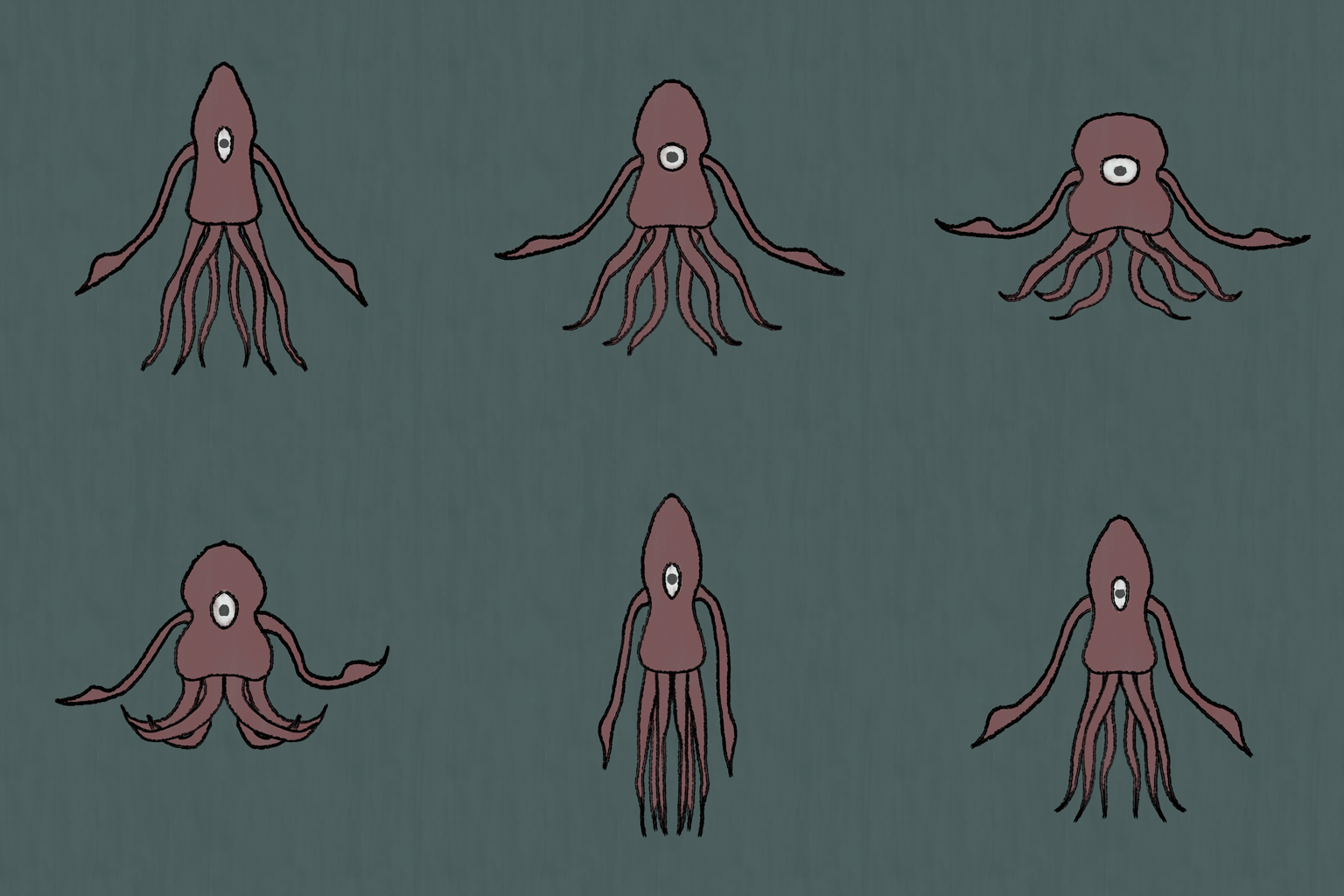
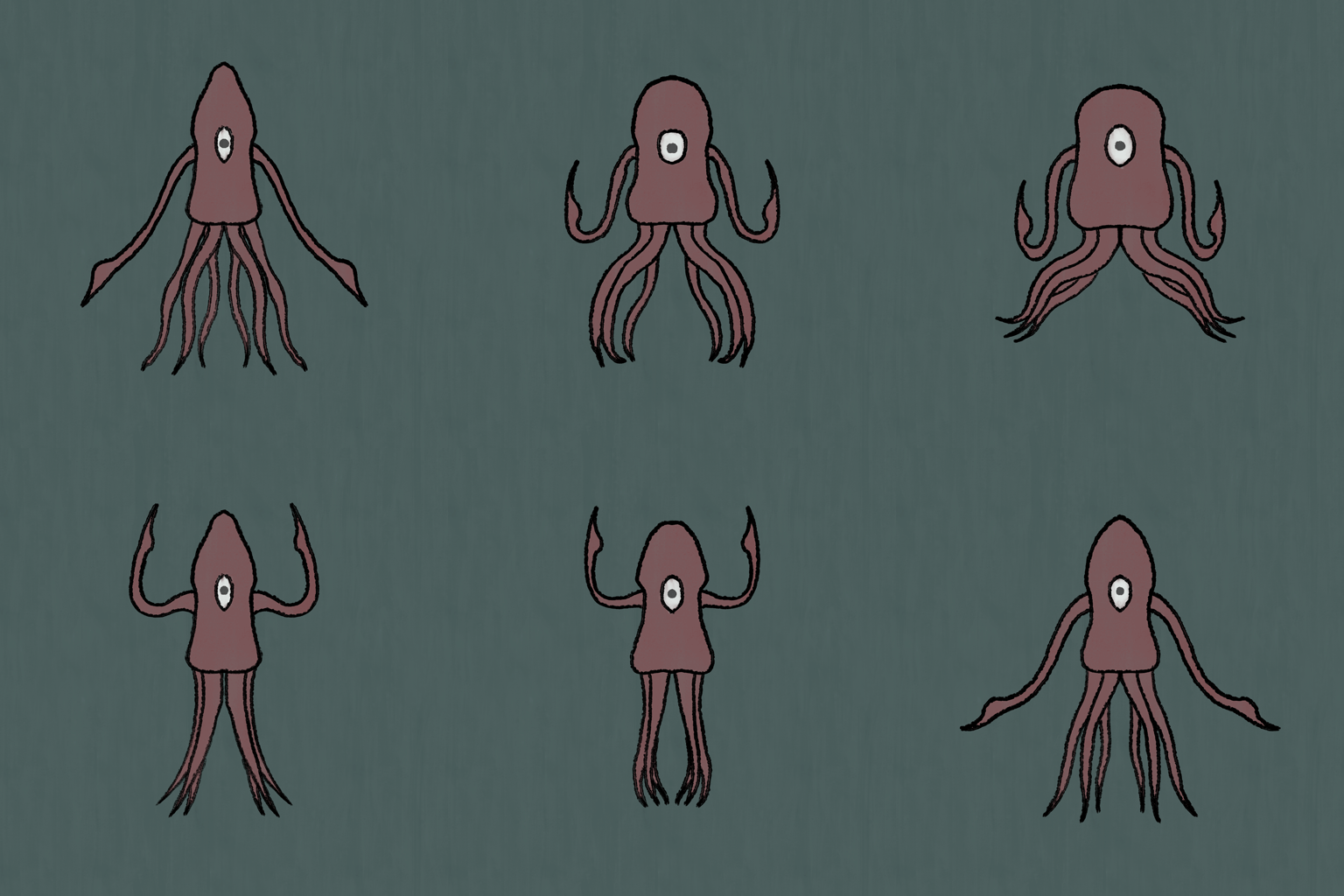
In reality, cephalopod attacks on humans or boats are rare, but for the purposes of Umibozu, a squid was one of the enemies in its original concept document. In our interpretation, the squid became an enemy that was would be distinguished as a slower moving type of enemy in the game. This had to be taken into consideration when creating the animation for the squid. There were two types of animation cycles required for the squid to be implemented into the game, and that included movement and attack. The movement for the squid in Umibozu is not consistent with a real squid, but this was a deliberate choice to add more noticeable motion and exaggeration to the creature in terms of how its movement is planned to be implemented in the game. The squid instead consists of a head with considerable amount of squash and stretch motion alongside two stinger-like tentacles on the side for attacking. Below its head are sets of tentacles that are used in similar manner to that of an octopus, and for exaggeration purposes it moves much like an octopus. The process for creating all 45 frames of animation for the squid was time consuming to say the least. It took part in 3 steps for both animation cycles which were worked on side by side. First was to animate each cycle which consisted of 17 frames of animation for the movement and 28 frames for the attack by creating only the outline. During this first step, I broke the squid down into several parts to simplify the process: Head, Eye, Pupil, Movement Tentacles (3 sets) and Arm Tentacles. Each of the aforementioned parts was animated independently in its own video layer in Photoshop until the entire animation cycle was completed in line art form. The second step was to trace the outline with a selection and fill it with a 50% gray color in order to make it opaque and ensure there would be no transparency issues in the fill or volume of the squid. The third step was to paint the intended color scheme of the squid into the selection that was made during the second step. The entire process took over 20 hours of constant work, and the results were the following two animations.
 |