Keeping Assets Consistent Throughout Production
|
Author: Hanna Hagenmalm So. You have been tasked with drawing a spaceship. As you have never drawn a spaceship before, this turns out to be quite a challenge. But as the art style is graphic and your team supportive, you do manage to create a first little shiplet. It took many hours, and the standard bucket of sweat and tears and blood, but you did it. Good job. Then you have to create a second one, and while the process is similar, it goes smoother. You have the tools figured out, and you can iterate on the first design you created. The third ship is almost easy. The fourth one you finish in a heartbeat. Then one of your team members cautiously points out that your assets are becoming increasingly more complex and detailed.
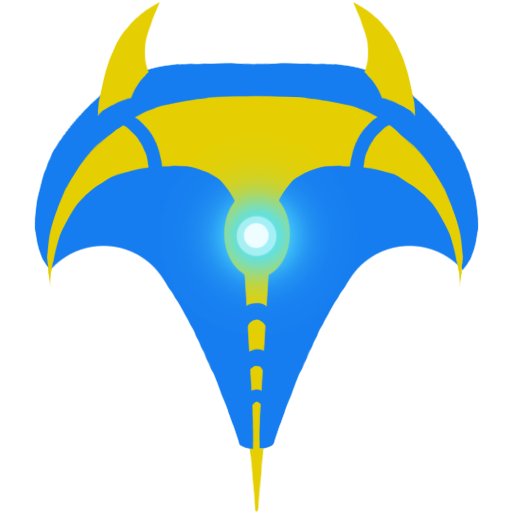
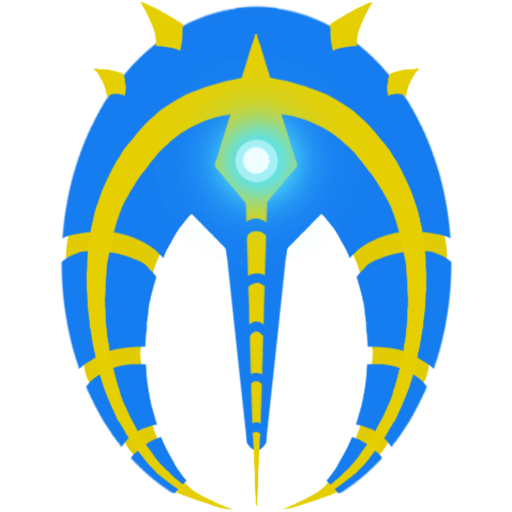
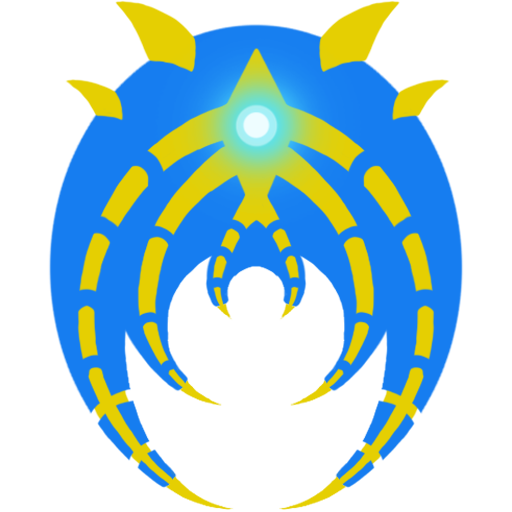
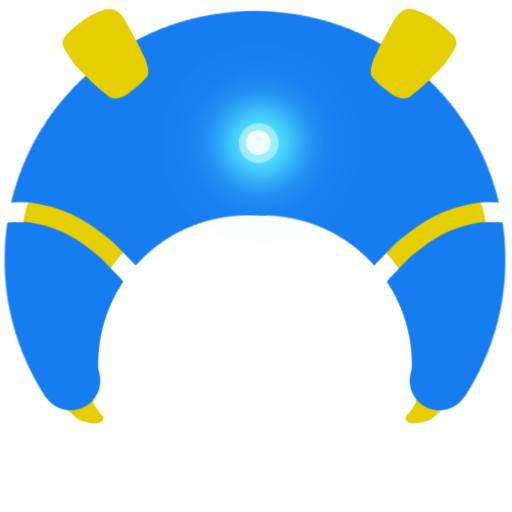
To put it bluntly: as you create more of something, there is a tendency to become more proficient at creating it. Which is good. That is how you learn. That is how you improve at sports, art, playing an instrument, programming. But it also means that your style might change. With a sport, this is usually not an issue; it might even be desirable. The problem with assets is that style is usually expected to be consistent throughout the entire game. In general, there are a few ways of dealing with this tendency. Prototyping. By trying out the whole process from first step to last step, you build knowledge, as well as proficiency at your craft. Essentially, you allow the changes to happen, and then discard all of the assets. If you have the time, this is a good option. Apart from dealing with evolving assets, it also allows the team (if you have one) to learn how to work together, and tackle any issues in a calmer, non-critical environment before production starts. All of this is usually part of pre-production. After prototyping, the tendency to change might still be there. One method for circumventing it is to design all characters in one go, in a team line-up. As you work on all assets at once, it is easier to keep style consistent. If you have a huge amount of assets to create, it is still possible to divide them into smaller, comprehensive categories and work on each ”set” at a time. Yet, at the end of the day, you might still be stuck with those out-of-style assets. If so, reworking them (if there is time) might be the best option. I have made use of all three methods, at various stages. Unfortunately, I did not have the opportunity to prototype prior to production, and so the main issue I have encountered is having to design as I am producing. Essentially, this means I am changing my designs as I go. In that regard, this project has become more reminiscent of a prototype – at least on the graphic side of things. I think it is the most visible in the first two designs for the enemy, where I am tossing around trying to find the overarching style. It is a matter of a directional choice – cute croissant versus menacing crescent. The team decided to go with the sharper look, to create contrast with the soft roundness of the avatar.
I created the three subsequent enemies in a line-up. I think that made the change in the design less visible, and could possibly be attributed to a hierarchy among the enemies. After the asset had been approved, I chose to re-design the first enemy again to make it look more akin to its peers. And so at this stage, I feel that the design of all four enemies is fairly coherent. But it is a constant work in progress, and by using prototyping, iteration and line-ups, I am hoping that the process will become easier over-time, and that I will have to re-draw fewer assets.
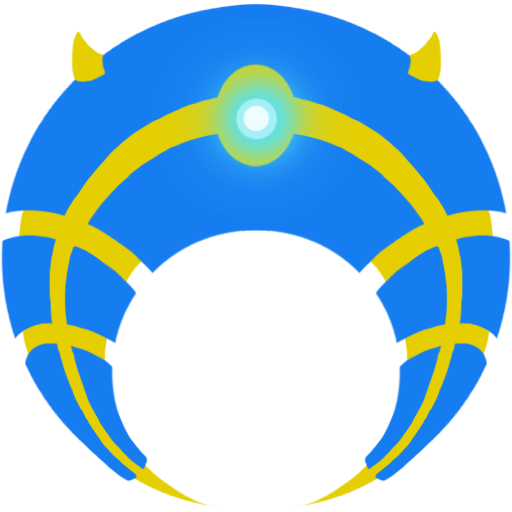
Latest version of the enemy I designed first! Less cute croissant and more menacing crescent?  |