Gotland Game Conference 2015
|
I bring this up because, every year, we have a similar ritual. At the party, we turn to each other and say: “This was a good year.” To which the comeback is, “How the hell are we going to top this?”. Sometimes there’s a shudder that goes with it. And – really – how are we going to top this? This year’s speakers knocked it out of the park. We wanted to talk about games with something to say, and games with meaning, this year.
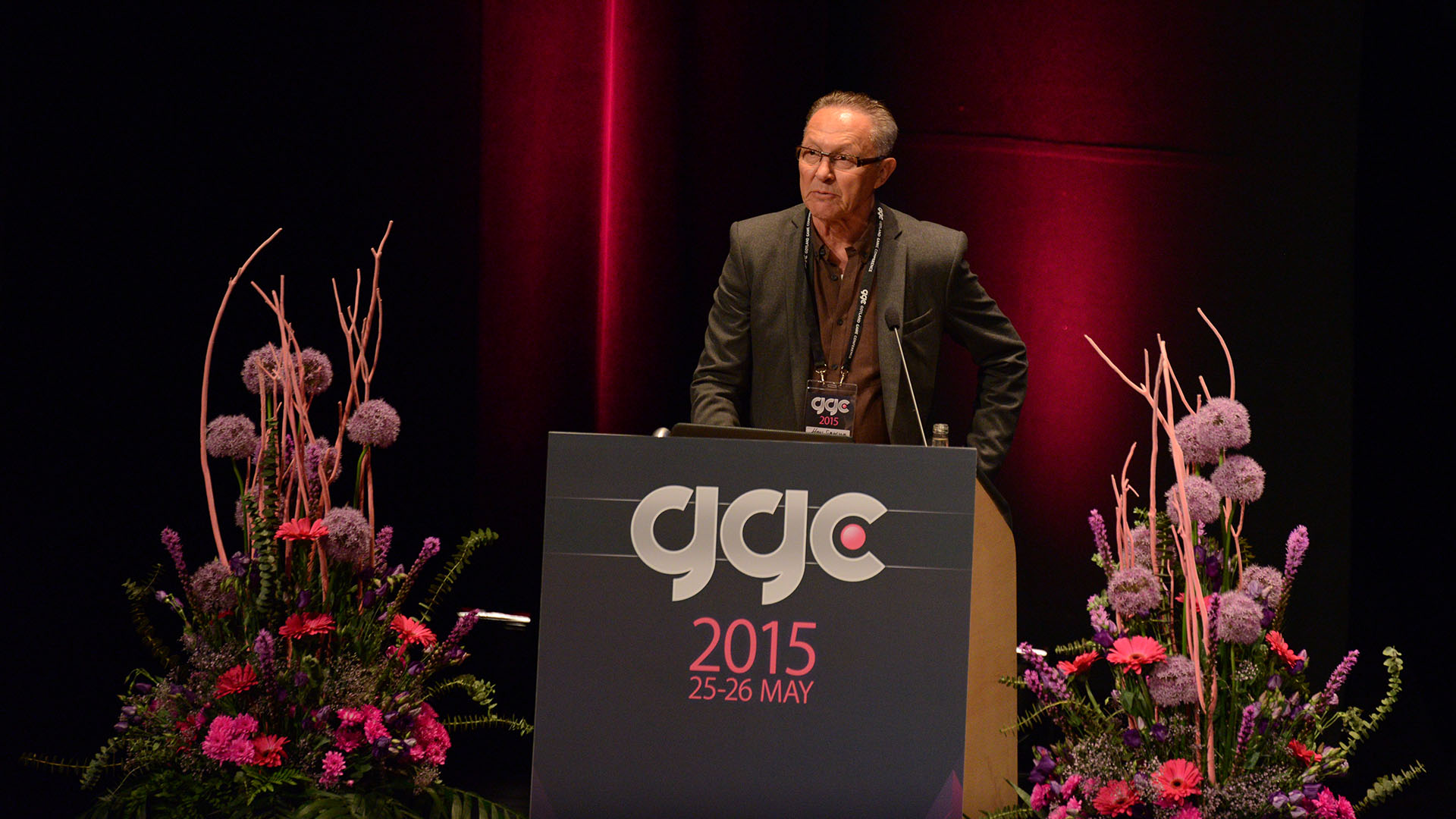
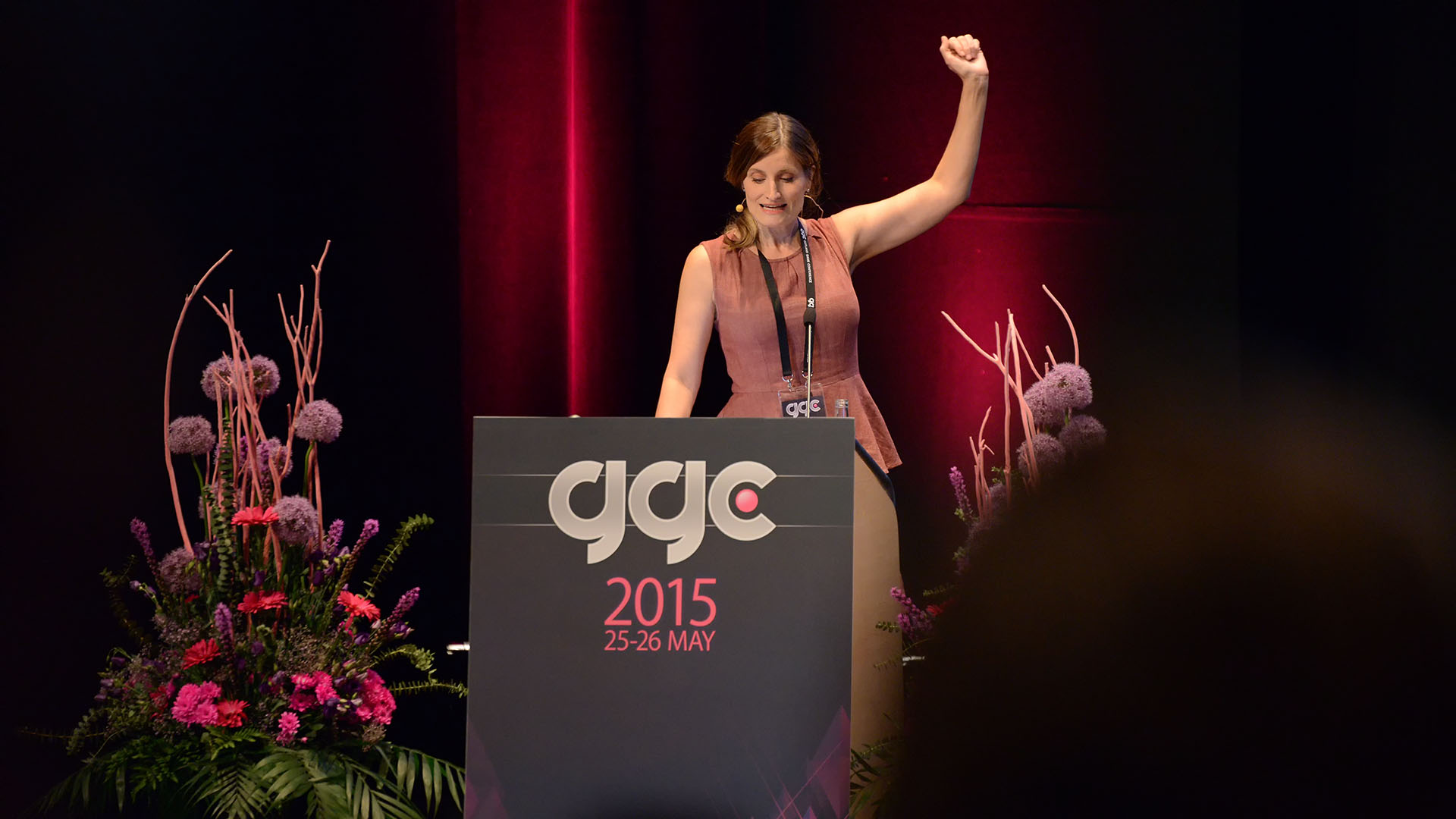
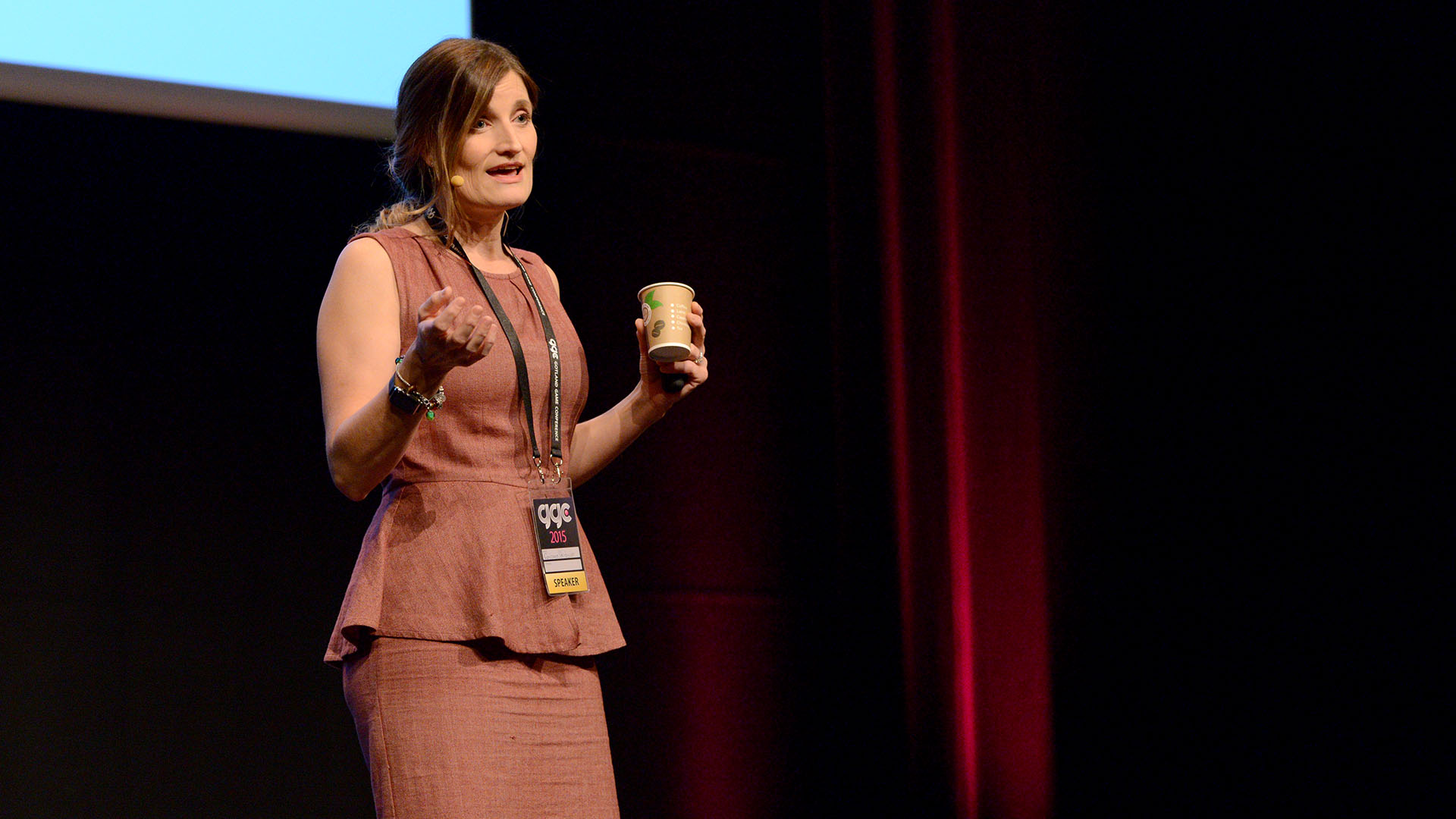
The ever amazing Constance Steinkuehler presented her research on the intellectual and cognitive merits of playing games. In a far ranging presentation we saw the positive impacts of not just playing games, but the meaning that players take from them.
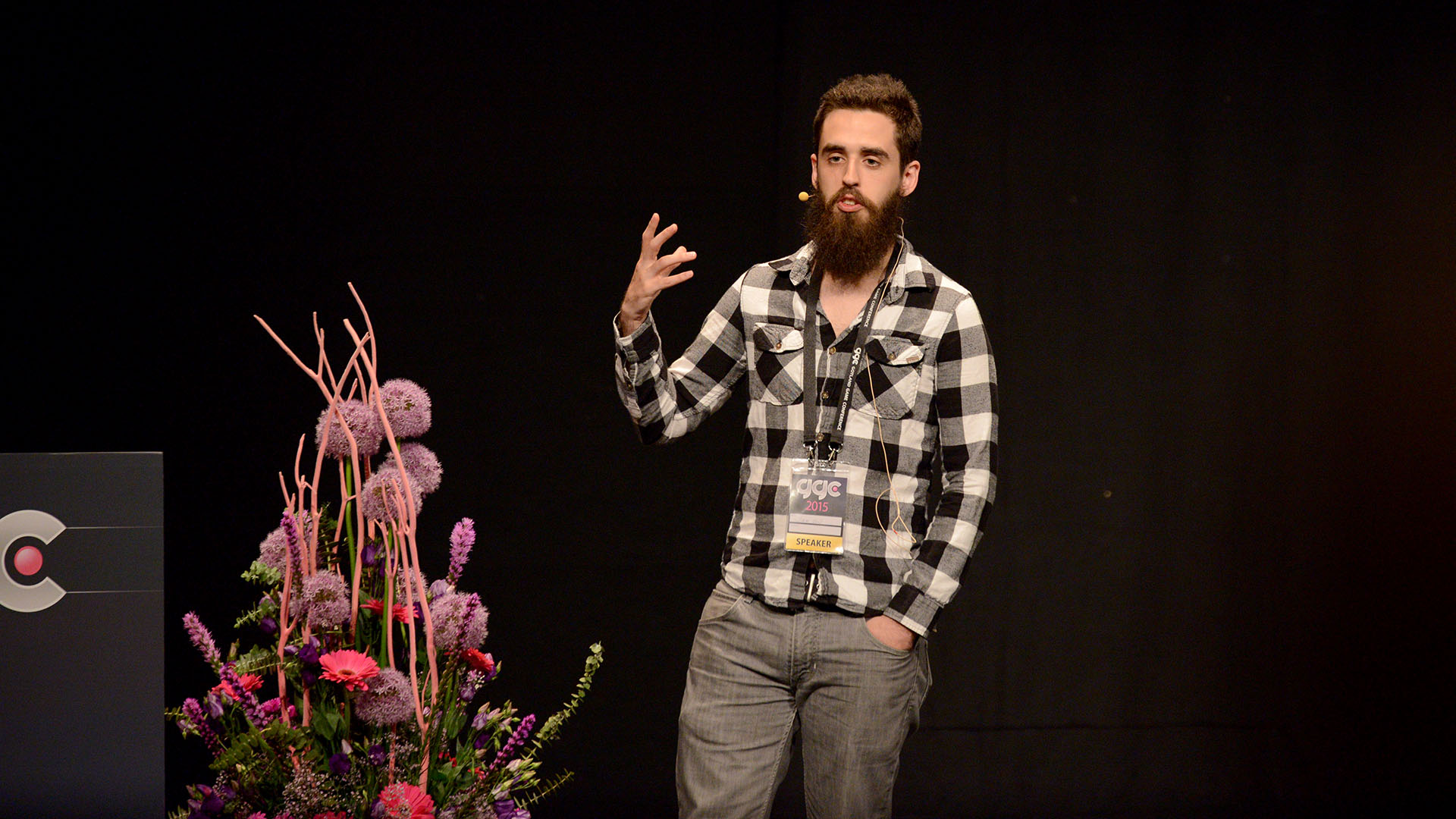
Ian Gil and Richard Dansky talked content. Ian, about respecting cultures when using their myth forms. The value of representation, and the responsibility of those who represent. He also gave us this beautiful quote:
― Junot Díaz
Richard talked about his “Charnel Houses of Europe: The Shoah”-supplement for White Wolf’s Role Playing Game “Wraith: The Oblivion.”; a supplement about the Holocaust. To say pretty much anything about the presentation robs it of its power. But I can tell you it contains the most amazing Harlan Ellison story. Yoshihiro Kishimoto, designer of some 60 games, and now an associate professor at Tokyo University of Technology, gave as an utterly fascinating presentation on character, and gameplay, design that is influenced by Japanese orthography. A true designers presentation, delivered by a design hero.
Double Fine’s Anna Kipnis gave us the programmer eyes’ view of getting dialog into a Double Fine game, from the moment a line is written to hearing and seeing the line in the engine, even in a foreign tongue. We were treated to an in-depth overview of Double Fine’s approach to design and development covering things like the tools our writers and implementers use, how lines are tracked, what dialog systems need to be written to play voice in the game, and how to approach writing dynamic dialog systems.
And, finally, a lesson for us, the people so set the conference up. In our conference blurb, we compared our industry to the films, asking where our groundbreaking, meaning making games were – not in terms of money, but in terms of relevance. We had that notion slapped out of us by an exceptionally researched presentation by George “Super Bunnyhop” Weidman. And what a presentation – finding footage from a first person movie, looking at the technical, artistic, and advances in characters in games, and hammering home, with each example, that movies aren’t games and looking at one, to find meaning in the other, was a futile gesture. Alongside this, our wonderful jurors presided over a fantastic selection of games. Because what would our game conference be without our students games. This year we had games where you played frogs climbing a hillside – a description that entirely fails to convey the exuberant joy of the thing. Games powered my bicycle pumps; by the hammer of the Gods, creating weapons to beat back the Ice Giants. Games where you played penguins charging around ice-flows. There was a game that you controlled by playing drums, and one you controlled by rowing in a boat.
Not that the second year lagged behind. Games that encapsulated the End Boss feel of MMOs; slow paced, cerebral puzzlers; racing games; a game based on the the mythology of the Middle East, and a game about flying. And braving development and thesis writing, the third year produced games – with the return of Agency, Fly or Die or Defunct. Alongside new games BlastCat and Terrene. As always, this show wouldn’t have come together without… well, everyone. We are always amazed at the caliber of presenters and jury, and proud at the level of professionalism from our students. Or, as we say: “This was a good year.” To which the comeback is, “How the hell are we going to top this?” posted in Blog by Ulf Benjaminsson |