3D Computer Graphics: Theory and Application I, Post 2
|
This is my second post during course 5SD045, it covers the results of practical assignments handed out to us during the lectures held on 2014-09-10 and 2014-09-11 during the second week of the course. The lectures covered the following; a brief introduction to the history and application of intellectual property, a brief history of art in the western world and finally the topic of visual styles and themes. This weeks practical assignment – which is also part of the first major turn-in – is to model, optimize and unwrap a simple game prop. More specifically, this prop is to be a crate or something similar in order to keep the assignment sufficiently simple. During this first week we were instructed to finish modelling our props, so that we during the next week could being optimizing them for game implementation. In order to help keep our choices narrow we were asked to keep with a predefined set of themes, these were:
The instructions were to choose a theme, and apply it within the scope of the visual styles were were introduced to during the lecture. The styles we were presented with were; “Stylized Abstraction”, “Decorative Abstraction”, “Sensory Abstraction”, “Conventionalized Realism”, Simplified Realism” and “Distorted Realism”. You can read about my choices and combinations further down in this post. Also a disclaimer as last weeks post just droned on and on, I’ve decided to cut it short this time so if there’s anything in this post that you – the reader – feel I’ve omitted then you’re welcome to ask about it in the comment section. I’ll respond with smoke signals within an undefined time-frame.
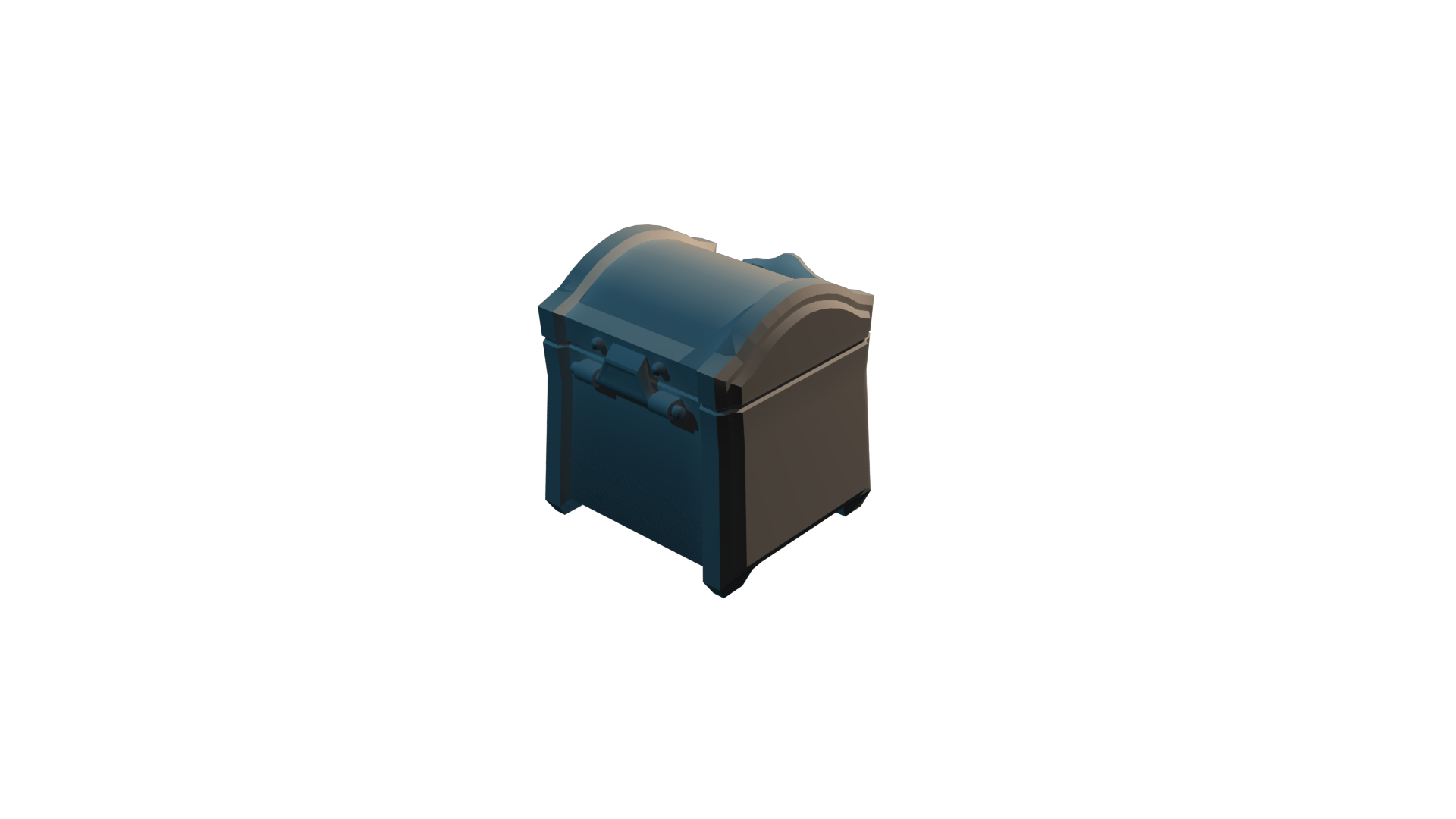
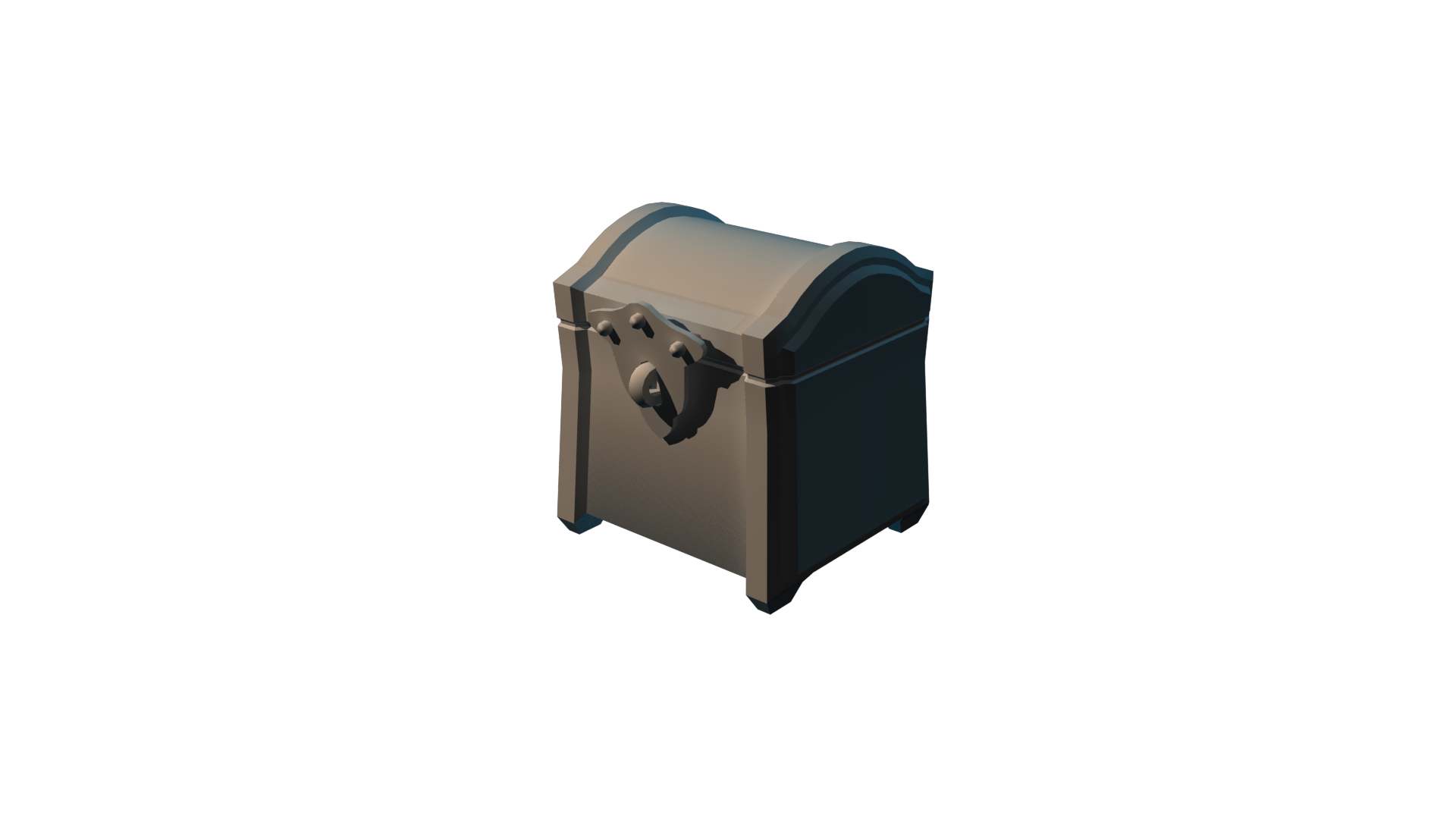
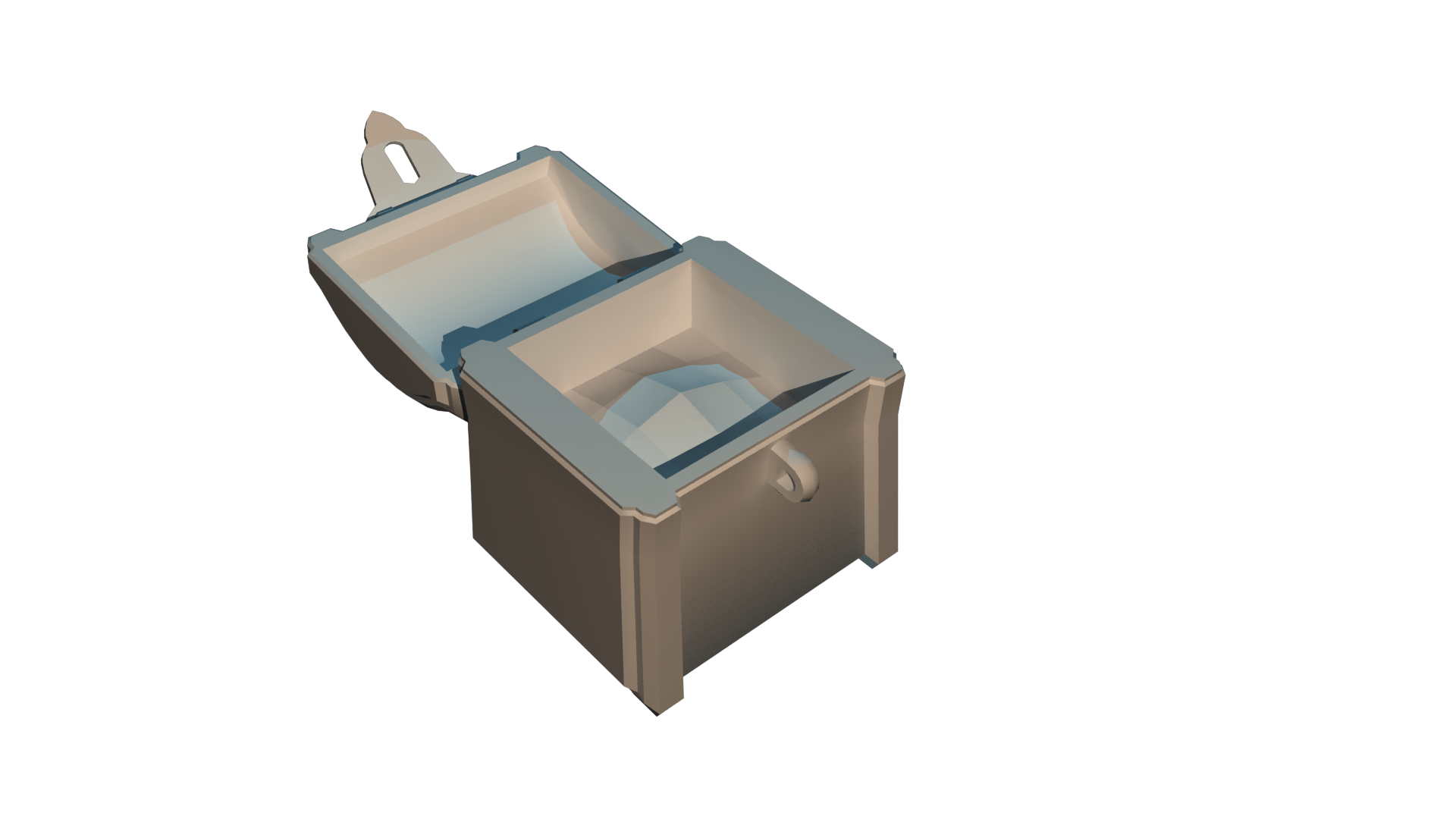
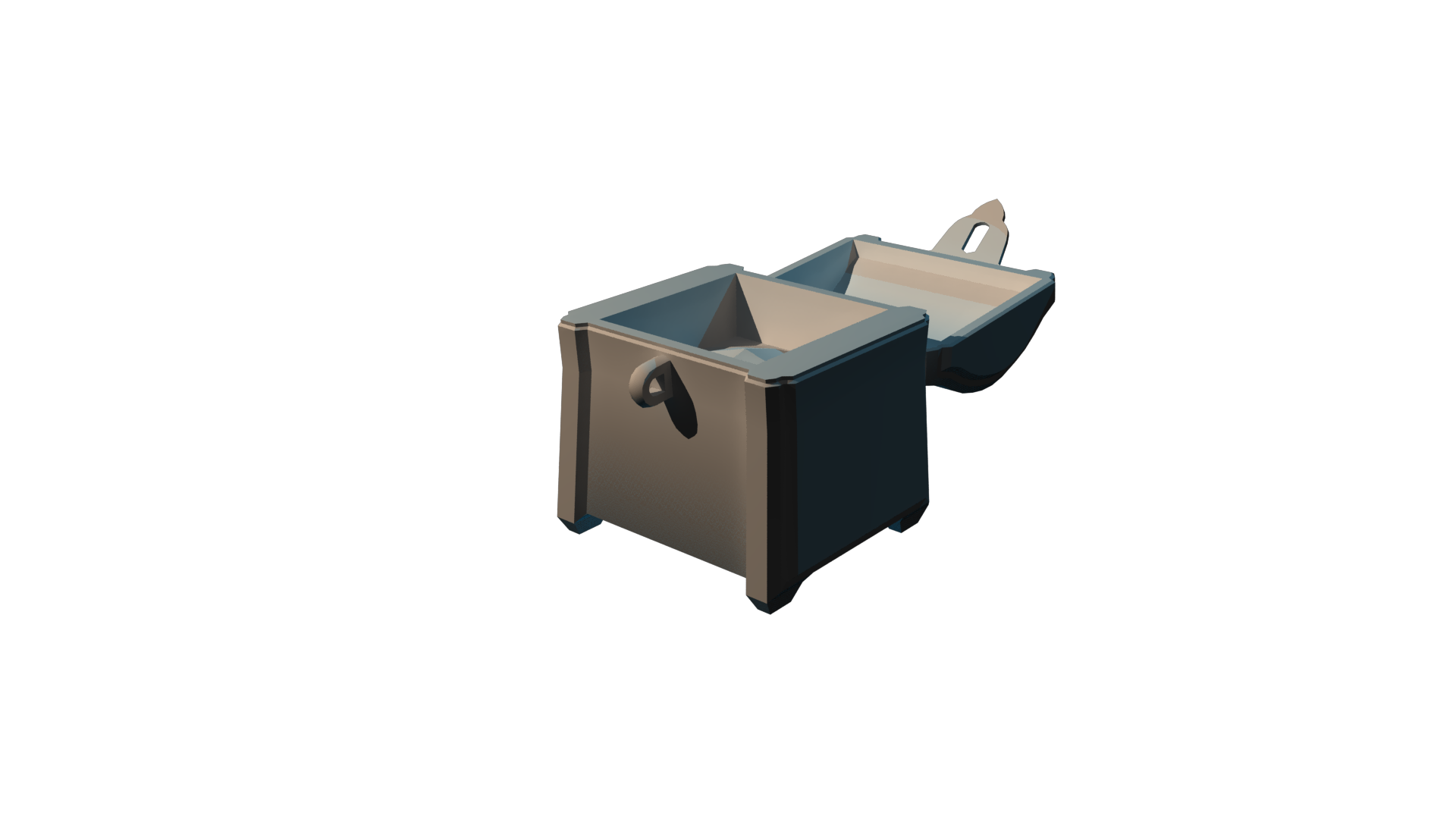
The first asset; assignment1_Crate1.
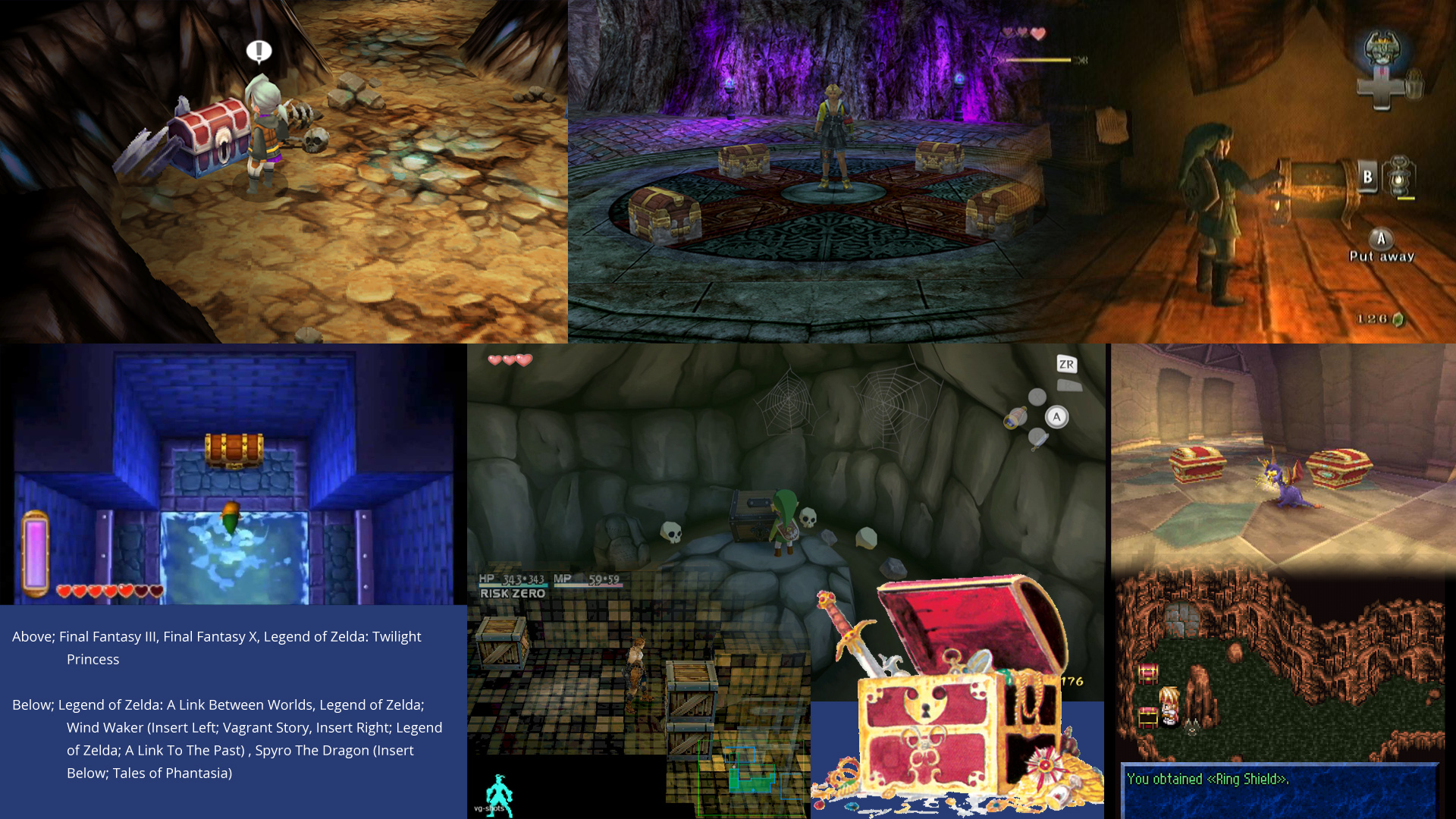
This chest was made with the medieval theme in mind, and within the scope of the simplified realism visual style. That means that I’ve thought of a medieval item chest’s symbolic and iconic qualities, and I have employed selective or stylized realism to enhance these qualities. If this sounds incredibly unnatural to you, then that’s because I basically employed the description of the simplified realism to the object in question, in order to amalgamate a sort of mission statement. Unnatural as it may sound, it is however true; I wanted to signify the strength of the construction so I chose to have square proportions, and then to taper the edges of the object in order to give it a tall and strong stature. I also added the large extruding reinforcements to block the shape in. I also chose to scale up both the locking face-plate and hinges of the box, both for reasons of silhouette and style. To summarize; when applying the visual style of simplified realism I aimed to reinforce the chest’s perceived compactness. Finally on the topic of modelling to a theme; I chose to have rounded organic shapes and angled beveled surfaces. I chose this because it ties in thematically with every object being hand-made, being deliberately crafted by someone and every object being a unique piece. In the same process I chose to keep my model even-sided, despite that some would probably argue that in order to better appeal to the theme having some slight discrepancies might be beneficial. I did so because I felt it would unnecessarily complicate the process moving on-wards from this stage. Now, according to the instructions on what to report on during this weeks post, I am to post examples of the theme I’ve chosen, but I’m going to disregard that because I am a mad maverick and instead post an example of games employing a similar visual style and of how they’ve implemented crate assets:
Even though in detail these examples have chosen to reinforce different qualities (Strength, Wealth, Mundane), they all demonstrate the employment of the visual style. Whats interesting in this example is the way that the elements of what an item chest is seems to be universal.
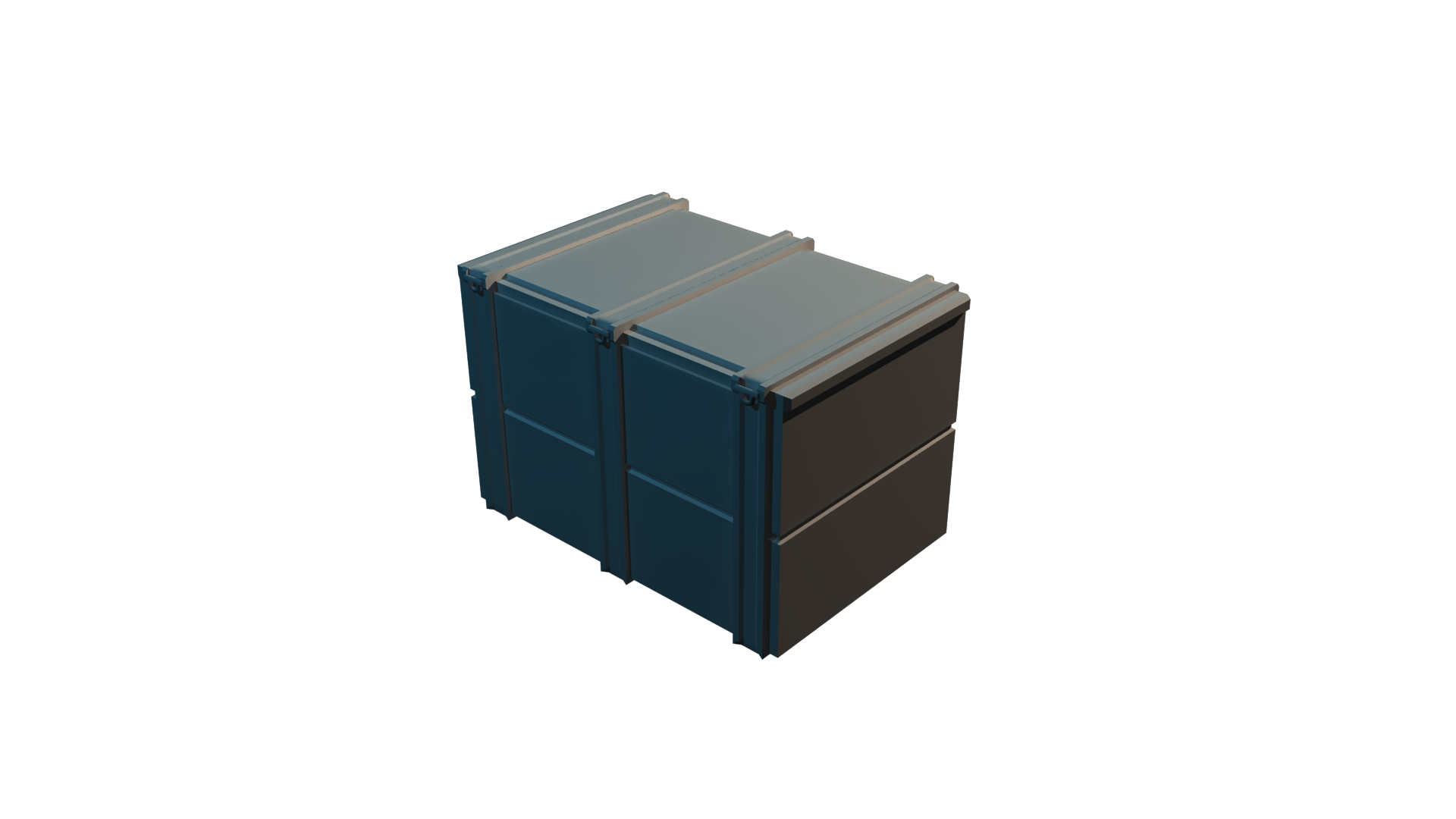
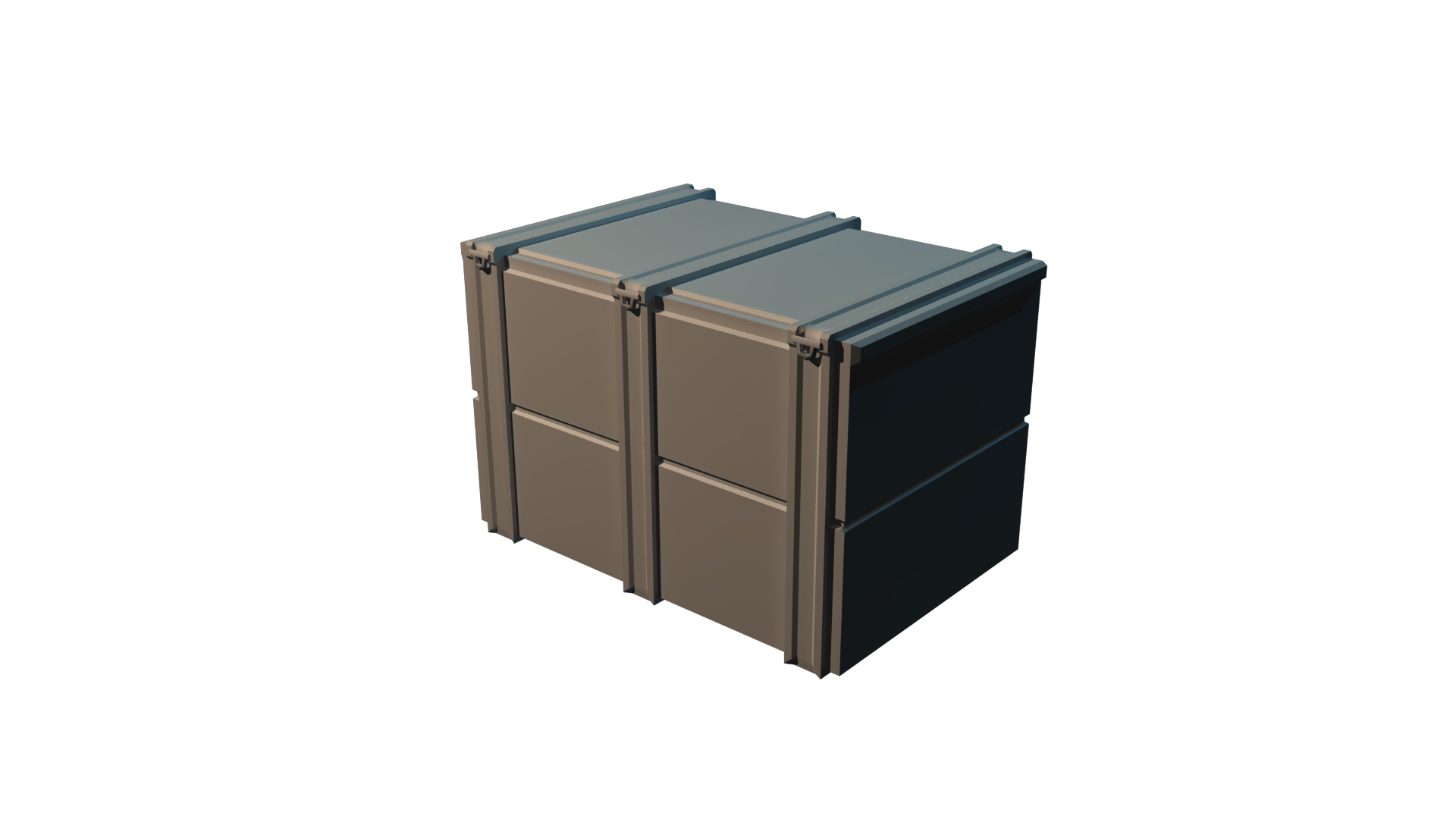
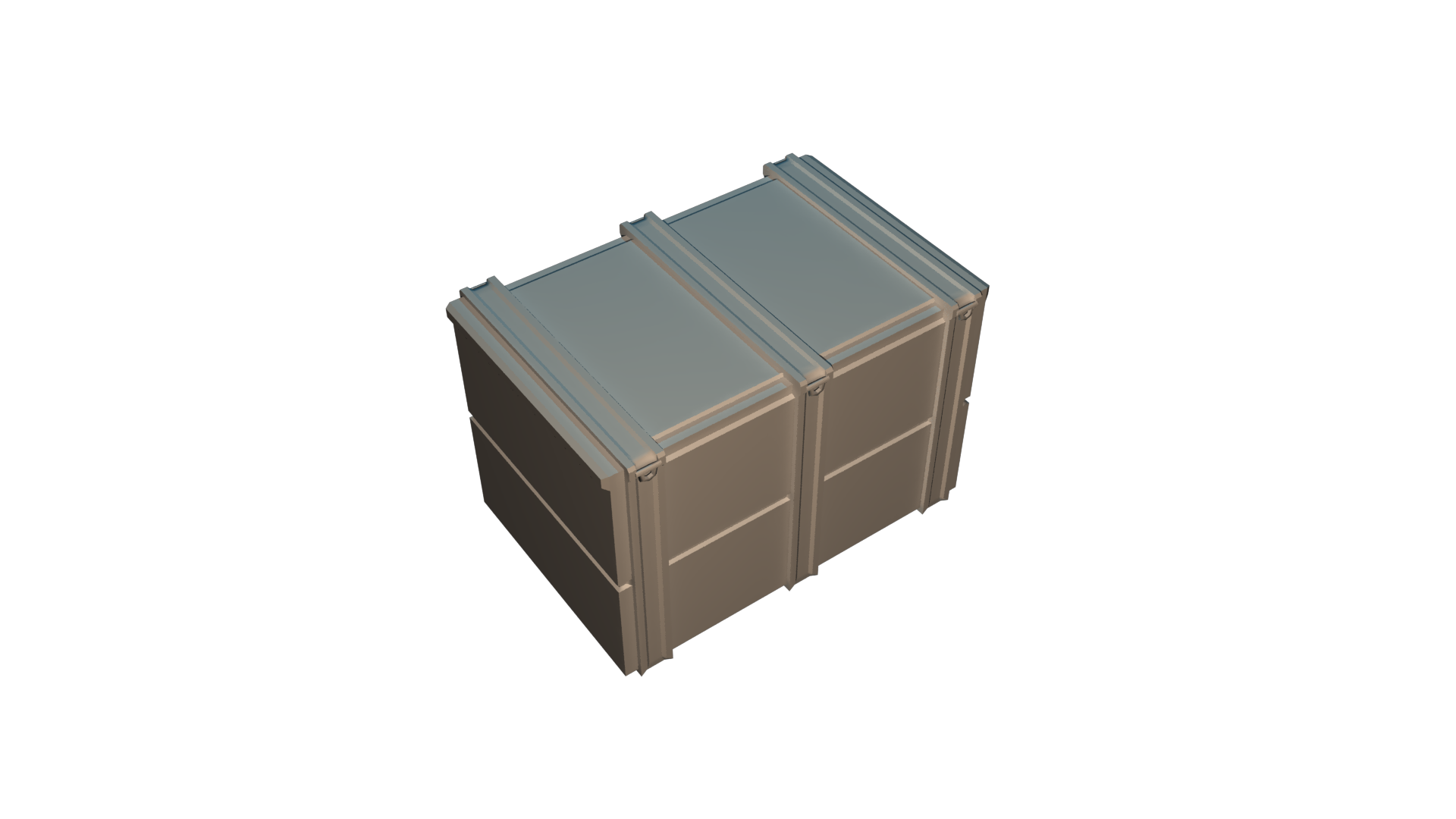
The next asset is; assignment1_Crate2.
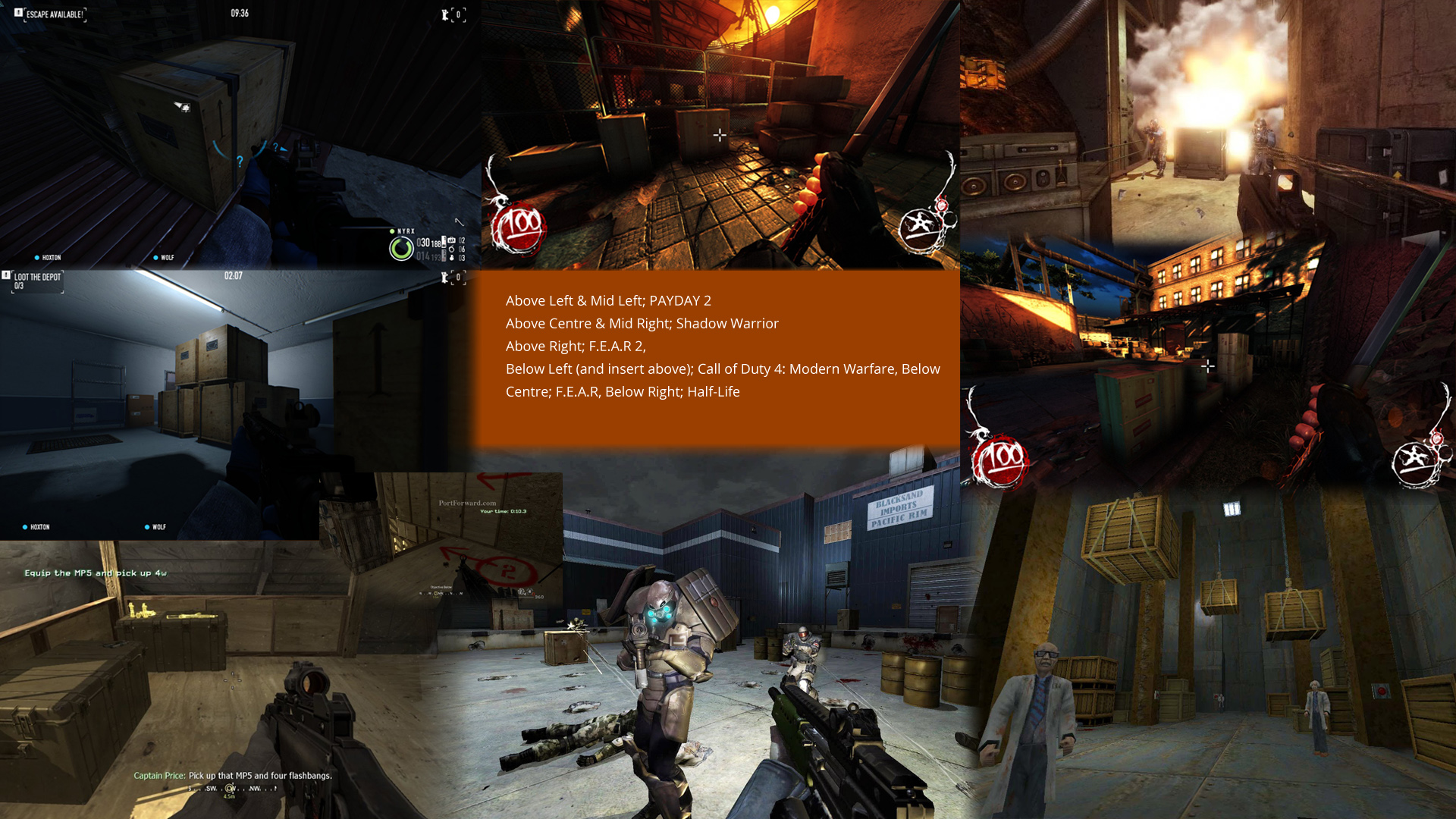
With this asset I chose to make a conventional shipping crate with the theme contemporary urban in mind, employing a conventional realistic visual style. So to once again to define our mission statement, that means that I aimed to depict a shipping crate in realistic sense, an asset that could be used in a real-life setting, attempting photo-realism rather than abstraction. In practice this means that I chose to understate rather than overstate, as the latter would’ve been more harmful to the visual style than the former. I chose a deep rectangular shape, to make something fitting for storage. I broke this shape up with parallel vertical elements, based on visual references but also to appeal to theme with even vertical lines. I also introduced horizontal elements to emphasize the objects strength. For the sake of applying the asset to the theme, I focused on keeping the angles pristine in order to make it feel artificial, even though for the sake of how the asset handles in light I made the decision to put even some angles that would logically be 90 degrees at shallow angles. Some examples of similar assets being used in games broadly employing the visual style:
Even though these games all have different (in some cases radically so) aesthetics, they all showcase the visual style. Believable settings, realistically referenced proportions and textures.
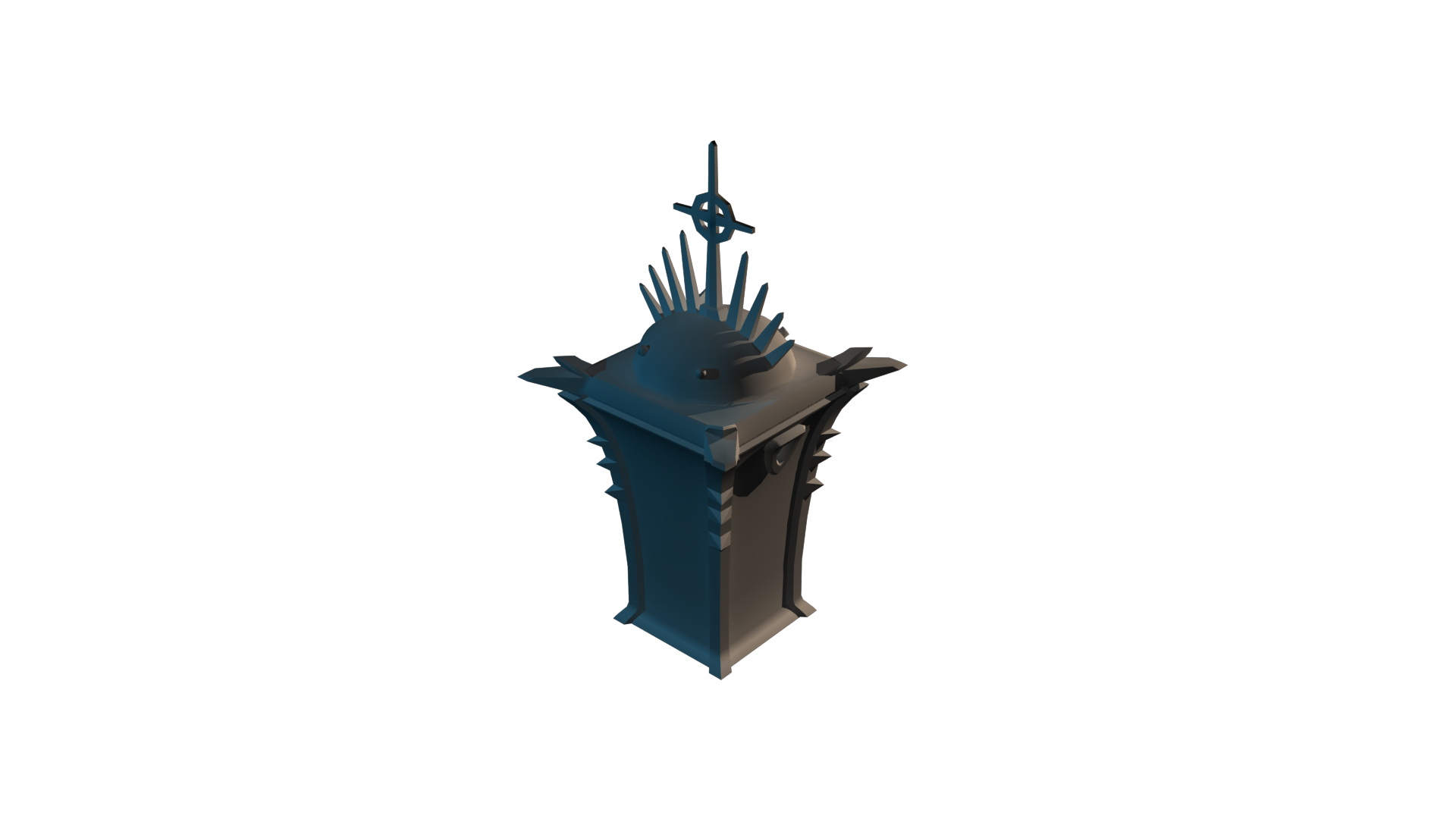
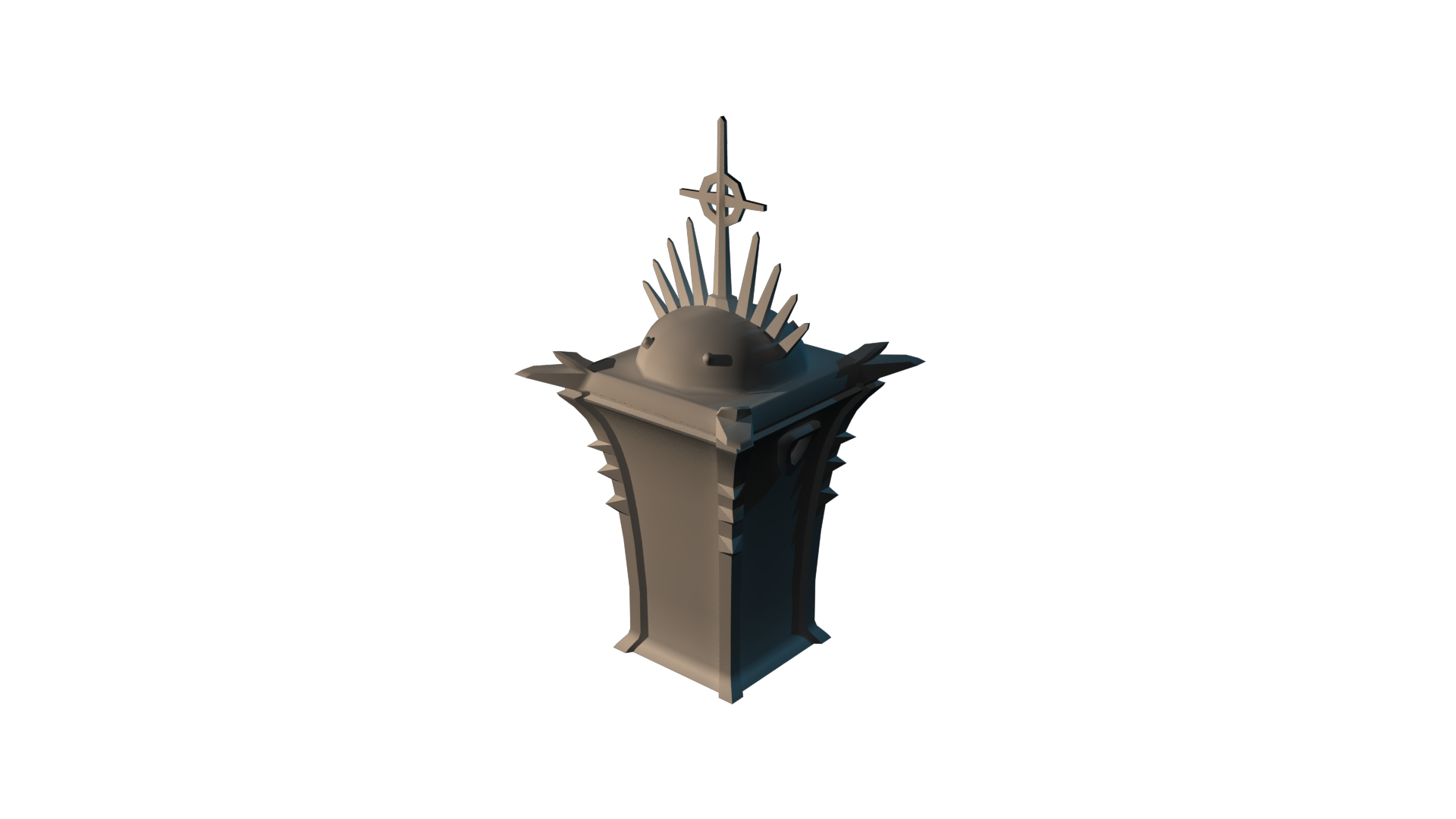
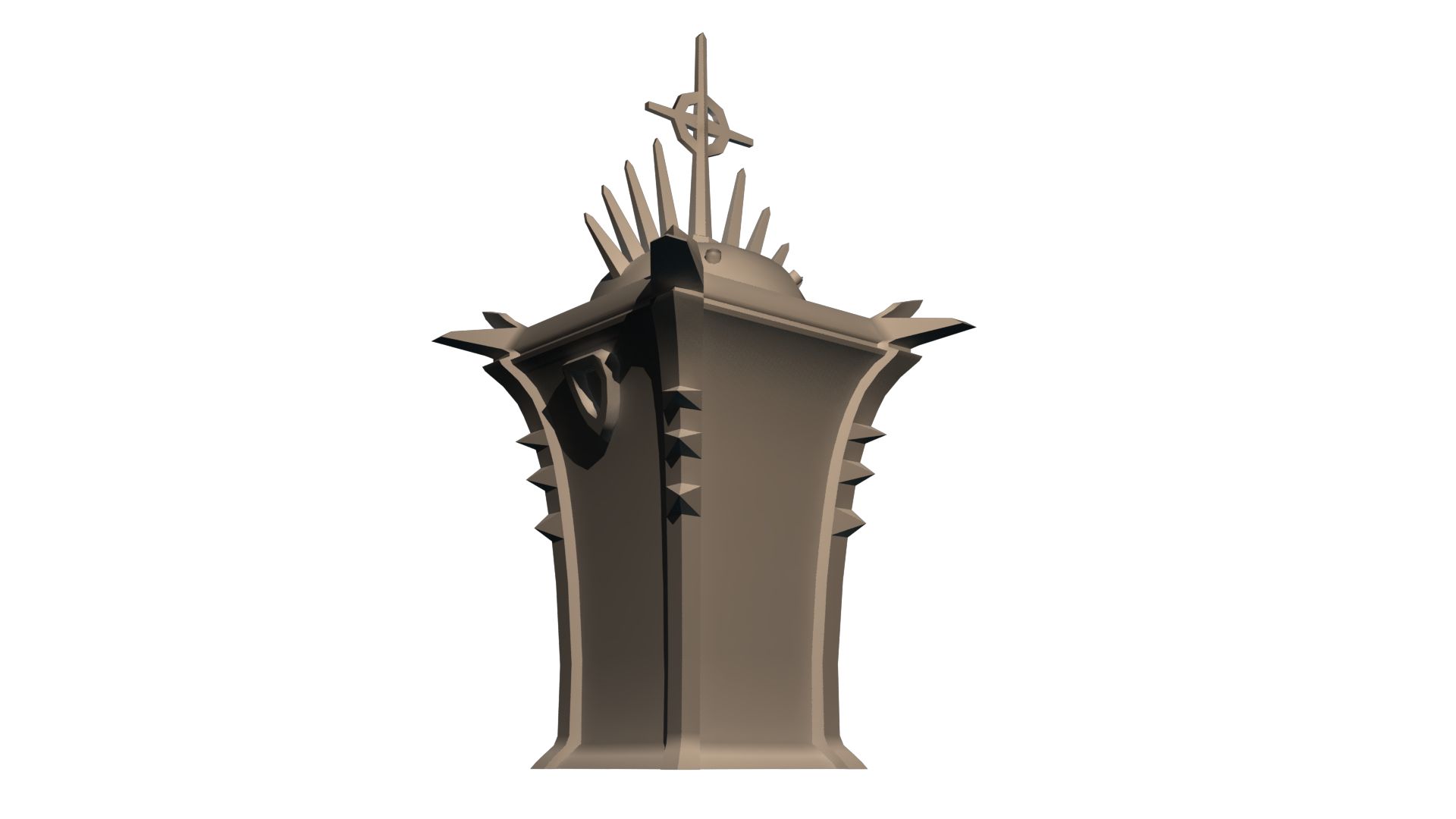
The final asset I’ll present here is; assignment1_Crate3.
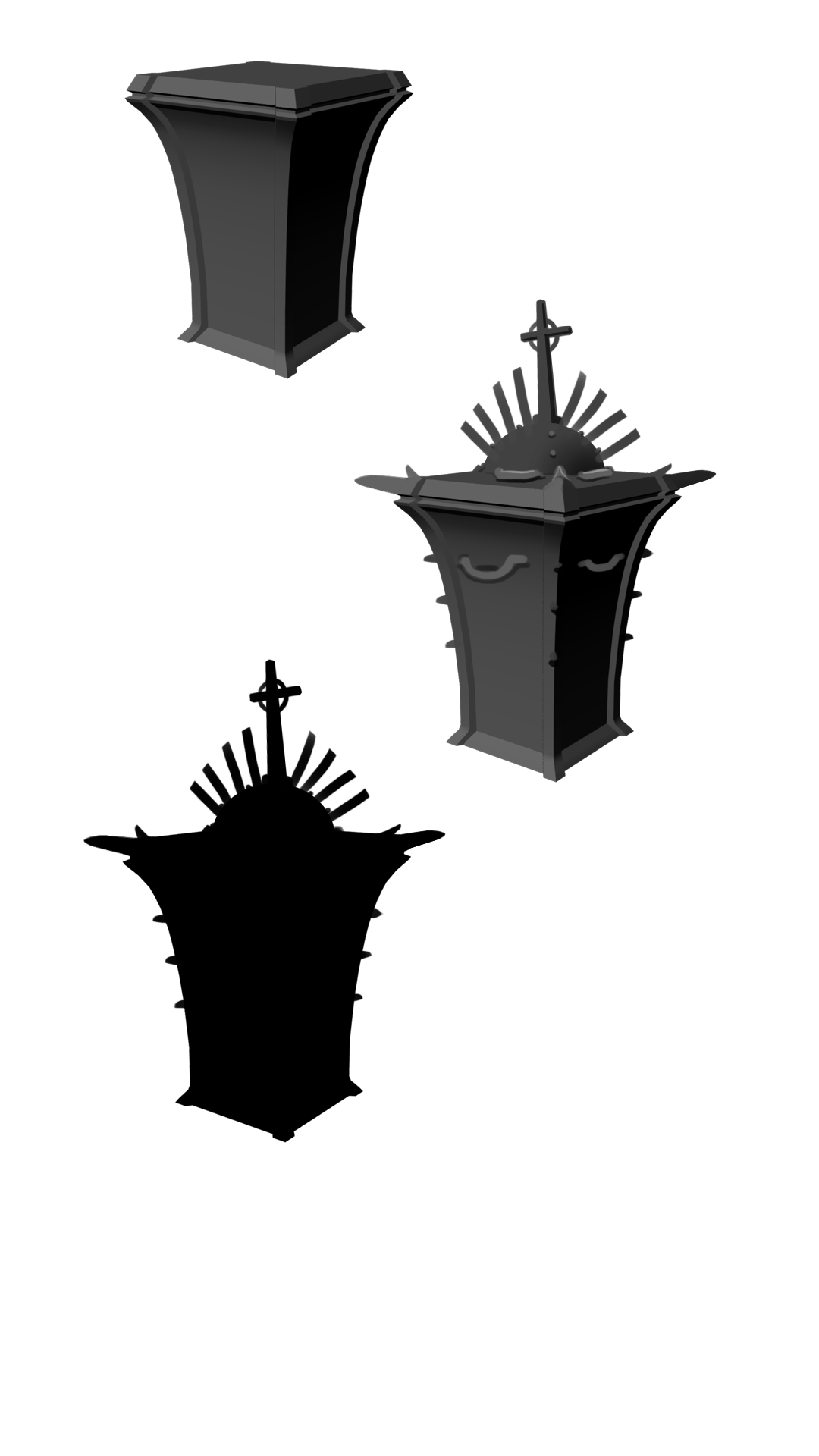
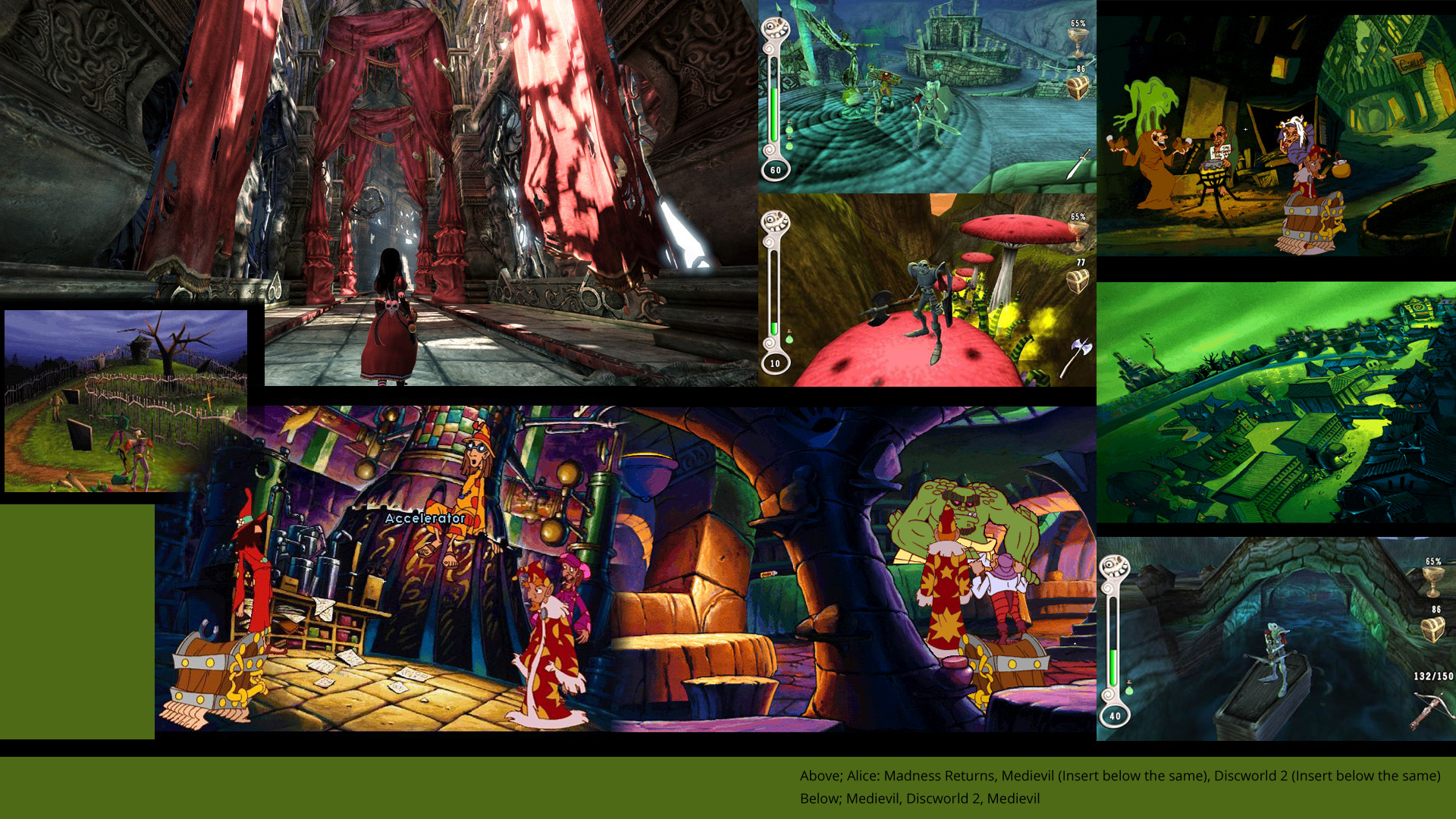
This asset is a medieval crate, and even though the first asset had the same theme, this one is radically different with respect to the visual style its employed in, distorted realism. So in order to describe the theory behind this asset – you know the deal by now – here’s a mission statement. I thought of the elements of a medieval item crate, and attempted to exaggerate and deform them. I attempted to force perspective upon it, to give it unusual proportions and make it a caricature of a crate. To do just that, I’ve given it an extremely tall tapered shape, with outwards flowing exaggerated edges to enhance the tapering effect. To off-set that, I gave the chest a subtle but noticeable foot to maintain the sturdy element of a crate despite the tapering. The shape of the box is meant to evoke a three-point perspective, to enhance its tall stature. To summarize; I attempted to employ the visual style of distorted realism to the elements of a medieval crate by emphasizing its unusual proportions. Being the same theme as the first crate, it felt only natural to employ similar rounded shapes, but with this one to make the crates box-like elements more extreme I also included extreme angles, almost spike-like in nature. I felt these sharper elements were appropriate for the theme when applied in this visual style as many products employing this style have dark or somber narrative elements, so I conceptualized this asset as some kind of graveyard piece, and therefore added the sun-cross element at the top. To demonstrate the style:
These examples demonstrate the forced perspectives, the distorted or exaggerated abstractions of realistic elements and the unusual proportions of characters and environments alike. Finally the instructions inform me that I should reflect on this weeks first part of the assignment. I’ll keep my thoughts short, it’s wonderful practice for the workflow with whatever the students chosen 3d suite is. It’s also good practice for constructing meshes, and optimizing them both for implementation and for unwrapping. As far as theory is concerned it’s an interesting exercise thinking of even mundane assets as elements of a wider visual style. It’s easy to think of styles and themes as a unified kind of feature but thinking of their elements and the way they contribute to building a style is very informative for the way you build assets either for game implementation purposes or other purposes. For negative factors in the exercise, I’d say that because of the open nature of the assignment and depending on what level of experience the student has with 3d it’s possible for them to construct a mesh that will have have serious issues in later stages of development, but we’ll see how it works out. That’s all I’ve got for now, see you next post.  |